

Key Takeaways
- There are a number of types of rebates for HVAC upgrades from governments and utility companies to manufacturers and non-profit organizations, each with their own eligibility requirements.
- Save with rebates on energy-efficient HVAC upgrades, like high-efficiency systems, smart thermostats, and building envelope improvements.
- Homeowners should check back on local, state, and federal rebate programs periodically, as offerings and qualifications may change.
- By getting pre-approval, collecting the right documents, and tracking your submissions, you can be confident your rebate claims will go through.
- To maximize your savings, you want to stack as many of these incentives as possible, time your purchases, and consult a qualified professional.
- Aside from immediate rebates, energy conscious HVAC upgrades contribute to reduced energy bills, environmental sustainability, and long-term value of the property.
HVAC rebates are cash-back incentives, tax credits, and discounts that lower the cost of installing energy-efficient heating and cooling equipment. In Stockton, they come from four main sources – federal and state programs, utility companies, equipment manufacturers, and non-profit groups – and can offset thousands of dollars on high-efficiency heat pumps, air conditioners, and smart thermostats.
Exact amounts and eligibility change often and depend on your utility, your income, and the equipment you choose, so it pays to confirm current programs before you buy. This guide breaks down the rebate types, shows which upgrades qualify, and walks through how to apply without leaving savings on the table.
Understanding Rebates
HVAC upgrade rebates reduce the price of putting in efficient heating and cooling. These rebates originate from a variety of sources, including governments, utility companies, manufacturers, and non-profit groups. Each has its own rules and advantages, and knowing the specifics can help homeowners maximize each.
1. Governmental
Federal tax credits are a big piece of what makes energy upgrades affordable. One is the federal Energy Efficient Home Improvement Credit, which can cover part of the cost of new heat pumps or efficient air conditioners.
Some rebates can be as high as $8,000 for ultra-efficient systems, while smaller rebates like $600 per item are common. State incentives frequently stack with federal programs. That allows a homeowner to stack credits and rebates for greater savings.
Local governments may pile on still more – grants or zero-interest loans, for example. These rebates are more than just money savers; they’re designed to reduce emissions and increase the adoption of clean energy. Local programs sometimes go to your neighborhood to assist more people.
2. Utility
Utility companies usually want people to conserve energy, so they give rebates for efficient HVAC. Typical rebates include heat pumps, high-efficiency furnaces, or smart thermostats. Certain utilities offer additional rebates to income-qualified customers, as much as $1,000 more per appliance.
To find out what’s available, homeowners should visit their utility provider’s website or contact customer support. The rebate process typically requires a compliance certificate or installation evidence.
Occasionally, a rebate needs to be set aside prior to purchasing the system, with as many as 120 days to have it installed. Monthly bills can reveal new rebate offers.
3. Manufacturer
Certain manufacturers will provide rebates to you on certain high-efficiency HVAC equipment. These rebates are usually in effect for a limited period or until supplies last. Purchasing from a manufacturer that participates in rebates can reduce your initial outlay, particularly if you time a promotion.
As always, visit the manufacturer’s site to find out which models qualify and how to register. It’s not for every product and usually requires registration.
Sometimes the offers from other brands will show you an even bigger savings, so it pays to shop around. You typically have to provide documentation after installation to receive the rebate.
4. Non-Profit
Non-profit groups may offer rebates or other assistance for energy upgrades. These programs are a big boon to low-income families who require a new system for heating or cooling but do not have the funds to cover the full amount.
Others join forces with governments or utilities, freeing up additional funds or increasing the reach of assistance. These partnerships can extend rebates and bring them to more homes.
Homeowners must look for local programs since these vary wildly by location and are frequently changing.
Qualifying Upgrades
Rebate programs for HVAC upgrades often set strict criteria to make sure upgrades deliver real energy savings and meet long-term goals. Qualifying upgrades focus on energy efficiency, durability, and compatibility with modern home needs. Homeowners should look for products with certification from trusted programs, such as Energy Star, and use certified contractors for installation or assessment.
A home energy audit, prepared by a certified auditor, can help pinpoint which upgrades make sense and qualify. These audits may earn a tax credit of up to $150. Rebates can cover electrical upgrades, like panel improvements up to $1,000, prewiring for EV charging circuits up to $500, and even induction cooktops up to $250. Some programs offer a $500 bonus for full gas meter removal.
To qualify, building envelope components usually need a minimum expected lifespan of five years.
Qualifying upgrades often include:
- High-efficiency HVAC units (heat pumps, furnaces, air conditioners)
- Smart thermostats
- Upgraded electric panels and wiring
- Prewiring for electric vehicle (EV) charging
- High-performance insulation and air sealing
- Exterior doors that meet Energy Star standards
- Advanced windows with low thermal transmittance
- Induction cooktops
A whole-home approach matters because pairing upgrades, such as HVAC and building envelope, can increase efficiency and maximize rebates. Layering upgrades like this helps reduce energy bills and increases comfort over the long term.
High-Efficiency Systems
High-efficiency HVAC systems consume less energy to produce the same heating or cooling, saving on utility bills and reducing environmental impact. Right now, upgrading to a high SEER or AFUE system could qualify for rebates and lower ongoing costs. Heat pumps, variable-speed compressors, and advanced furnaces typically qualify.
This includes sustainability targets because these systems reduce greenhouse emissions and energy consumption throughout their life. For optimal fit, homeowners should consult with approved contractors who can recommend systems that qualify for rebates and suit the home.
Smart Thermostats
Smart thermostats reduce energy consumption by detecting when you’re home and automatically lowering temperatures when you’re gone. They couple with high-efficiency HVAC to avoid waste and maintain cozy houses. Several rebate programs will reward you just for having put in a smart thermostat, lowering your initial investment.
Opting for smart controls can help further reduce energy bills, particularly when combined with other upgrades. Homeowners who qualify smart thermostats as a component of a bigger project tend to experience the most significant improvements.
Building Envelope
A tight building envelope traps conditioned air inside and outside air out, reducing heating and cooling demands. This encompasses insulation, windows, and doors. Eligible upgrades for rebate programs include:
- Attic and wall insulation meeting minimum R-values
- Air sealing work to close gaps and cracks
- Exterior doors certified by Energy Star
- Energy-efficient windows with double or triple panes
A home with a tightly insulated envelope can reduce energy consumption and reduce monthly spending. These upgrades contribute to seasonal comfort, rendering them a savvy component of any energy renovation scheme.
The Application Process
There are a few steps to apply for HVAC rebates. A methodical application approach helps homeowners steer clear of missed savings or slowdowns. The majority of rebates are available to customers of participating utilities, and certain state and local programs provide funds for energy improvements to qualifying groups. Submission windows vary, so look for active calls and updated guidelines.
Pre-Approval
It’s a smart play to get pre-approved before you purchase HVAC equipment. Pre-approval gives you written confirmation of your eligibility, locking in the rebate amount and program requirements. This step prevents the gamble of purchasing a system that doesn’t qualify, which can cause surprise expenses or disqualification.
For instance, certain rebate programs only apply to specific models or efficiency levels. For pre-approval, go to the utility’s website or customer service. Complete the online request form or send necessary papers via email. Save any emails, letters, or reference numbers from the pre-approval process. These documents can assist in case of issues down the line.
Documentation
A full rebate application consists of several important papers. Homeowners should gather the following: a copy of the pre-approval letter, proof of purchase (invoice or receipt), equipment model and serial numbers, installation proof (such as a contractor’s statement), and any required tax forms or identification.
Cross-check that all names and addresses are consistent on forms. Tracking details establishes the credibility for your claims and helps get them approved faster. Store electronic versions in a labeled folder and place hard copies in a secure location. Every rebate program might require somewhat different paperwork, so check the actual documentation list from the utility or rebate administrator.
Submission
You’ll typically submit the application online through a portal or via a physical packet in the mail. Both choices have specific directions, which are detailed in the program’s instructions. Make all deadlines; late applications may be declined!
Don’t make basic mistakes, such as unsigned or incomplete forms, that hold up the process. Once you mail the application, it’s helpful to confirm receipt, either by email, tracking number, or direct confirmation from the program. They take six to eight weeks after they’re approved to get most of the rebates to you.
Follow-Up
Keeping on top of your application is essential to getting it processed in a timely fashion. If you don’t get confirmation or your rebate within the time frame, contact the program’s rep by phone or email. Documenting these contacts helps address problems should they arise.
Taking initiative is frequently the dividing line between a quick process and a waiting game. Save all follow-up emails and notes for your records!
Maximizing Your Savings
HVAC upgrades are expensive, and savvy timing allows homeowners to save big on rebates, incentives, and tax credits. Federal, state, and local programs all reward efficiency, so the real savings come from knowing how to use them together. Knowing how, when, and with whom to plan an upgrade is crucial in getting the best return.
Stacking Incentives
Homeowners can combine rebates from local governments, utilities, and federal programs for greater savings. For instance, an energy-efficient heat pump can be eligible for a utility rebate, manufacturer’s promotion, and government tax credit. These incentives frequently have policies around whether they are stackable.
Reading the terms for each program is key. Some permit stacking, some do not. One winning strategy is to take advantage of a 30% tax credit up to $2,000 for a high-efficiency heat pump and a $1,200 credit for other upgrades like insulation, all in the same tax year.
These are in addition to local rebates. If your city has a $500 rebate for smart thermostats, that’s additional savings. Energy efficiency pros can help map which upgrades overlap and which incentives stack, so less is left on the table. It’s wise to review all sources – national, regional, and local – so you don’t leave anything on the table.
Timing Your Purchase
Your greatest savings will often come during HVAC’s off-peak seasons – spring or fall, when demand is lowest. Many of these rebate programs roll out new deals at the start of the year or right before summer and winter, when people need the units the most.
By following announcements and scheduling reminders to look up new incentives, you can time your purchases with the deals. Planning ahead allows you to space out upgrades over a couple of years. With tax credits limited each year, doing some improvements in one year and some in the next means you get to claim the most in each eligible tax year.
For example, swap insulation this year, then a new HVAC system the next to snag both credits. This approach controls out-of-pocket costs, reducing the upfront load.
Professional Guidance
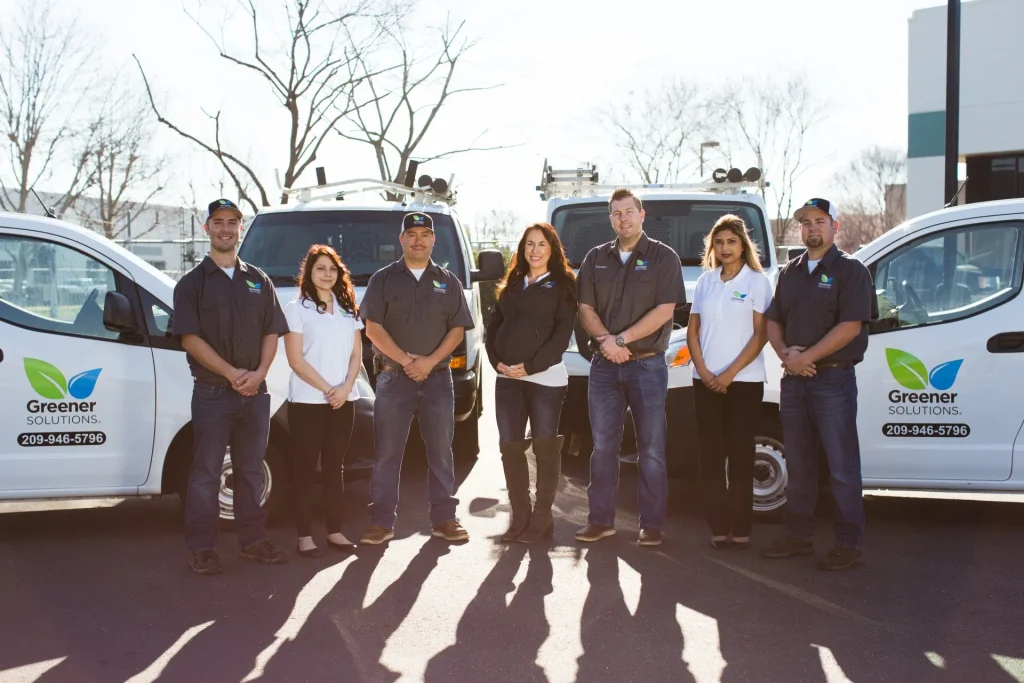
A seasoned contractor can assist homeowners in navigating all the available rebates and filing the right paperwork, like IRS Form 5695 for tax credits. Technicians know which equipment models satisfy rebate guidelines and can tell you if a product qualifies for several incentives.
Contractor quality networks tend to keep them up to date on programs and best practices. Getting multiple quotes ensures you get fair pricing and a good sense of who can offer you the most value and expertise.
A great contractor will educate you on how tax credits work and how to strategically structure improvements to maximize savings.
Residential vs. Commercial
HVAC rebate programs have key differences shaped by the type of property, usage, and energy needs. Residential properties, such as homes and apartments, are concerned with personal comfort and fundamental efficiency, whereas commercial spaces, such as offices or shopping malls, require larger-scale, more sophisticated systems.
The table below outlines the main differences:
| Feature | Residential | Commercial |
|---|---|---|
| Typical Properties | Homes, apartments | Offices, retail, warehouses |
| System Complexity | Simple HVAC, insulation, windows | Complex HVAC, controls, lighting |
| Rebate Types | Tax credits, direct rebates | Custom incentives, performance-based |
| Max Savings | Up to $1,200/year (plus $2,000 for heat pumps), 30% tax credit for clean energy, up to 100% of project costs for lower incomes | Higher total savings, % of project cost or custom payouts, often no strict cap |
| Application Process | Short forms, proof of purchase | Detailed proposals, audits, energy modeling |
| Eligibility Factors | Income, equipment type, project cost | Building size, usage, systems, utility account |
Scale
One single-family home could swap out a small HVAC unit. A commercial building could upgrade several large rooftop units. This typically determines both the rebate amount and type of incentives.
Residential upgrades receive rebates that can cover as much as 50% of project costs or up to 100% for qualifying lower-income households. Commercial updates can run in even greater amounts as businesses swap out or update an entire system.
These larger projects can open up larger rebates or custom incentives, particularly when combined with energy audits or performance contracts. Larger commercial projects enjoy economies of scale.
For example, it might cost the same percentage to swap out HVAC units throughout an entire office block as it would a home, but that office block replacement could generate a much larger overall rebate. Homeowners might want to consider whole-house upgrades, such as insulation and solar panels simultaneously, to increase long-term savings.
Program Types
| Program Type | Residential Example | Commercial Example |
|---|---|---|
| Direct Rebate | 50% project cost for single-family homes | Custom rebate based on kWh saved |
| Tax Credit | 30% clean energy credit on equipment | Deduction for energy-efficient retrofits |
| Performance-Based | Up to $2,000/unit for multifamily buildings | Incentive per square foot improved |
| Income-Based | 100% rebate for <80% area median income | Special rates for small business |
Programs vary depending on your location and energy company. Some target homeowners with fixed rebate amounts, while others offer incentives for businesses to save even more power.
Owners should read program details for maximum return. Reading the fine print can mean bigger savings. Both sectors should look at local and national options prior to implementing upgrades.
Complexity
Residential rebates usually require simple paperwork, such as proof of purchase and installation. Certain tax credits have annual caps, with a $1,200 limit for most improvements and a $2,000 limit for heat pumps.
Low-income applicants or multi-family buildings may require additional paperwork to verify qualification. Commercial rebates do get tricky.
These programs can require deep energy audits, multi-step applications, or proof of continued energy savings. Building owners may have to collaborate with engineers or consultants to comply, which increases time and expense.
The advantage is generally larger gains, but the experience can seem overwhelming. Homeowners and business owners alike can flounder with the specifics.
Knowing what happens at each stage is crucial to maximizing your program experience. If it all gets confusing, chatting with a local energy advisor or utility representative can come in handy.
Beyond The Rebate
HVAC upgrade rebates can offset some upfront costs. The real magic stretches beyond just the sticker price. Energy-efficient systems deliver value for years to come. These upgrades can reduce energy costs, reduce carbon, and keep homes prepared for new code. Rebates only go so far. Future impact is what counts.
Long-Term Value
In addition to immediate savings, the switch to energy-efficient HVAC systems has a payback over time. If you upgrade with things like high-efficiency heat pumps or smart thermostats, you’re using less power, so your monthly bills are lower. For instance, a state-of-the-art heat pump can reduce heating energy consumption by as much as fifty percent over older ones.
These discounts accumulate, which makes it easier to finance the upgrade itself. A few homeowners have annual credit caps, so they might have to spread out their upgrades over multiple years. Stretching upgrades out allows them to capture that maximum annual credit in each eligible tax year.
Home energy audits are eligible for tax credits, up to 30% of the cost, which can help bring the price down. These credits are nonrefundable, so any amount that exceeds what you owe in taxes for that year cannot be carried forward and is simply lost. Being good for the environment, energy efficient upgrades usually increase the value of the property too.
Things like newer, efficient HVAC systems are enticing to buyers, particularly in areas where energy costs are rising. Rebates and credits are nice, but the real benefit is lower bills and increased comfort for years to come.
Environmental Impact
Back to the rebate’s focus, energy-efficient HVAC systems help reduce greenhouse gases. They consume less power, much of which is still generated by burning fossil fuels in many places. By upgrading, each home can chip in a little towards shrinking the carbon footprint.
Less energy use is good for the environment and good for broader sustainability objectives. A number of cities and countries have these emission reduction targets. Upgrading home HVAC systems falls into these goals by making daily energy consumption more efficient.
Selecting systems that meet rigorous energy criteria, such as those that carry the ENERGY STAR rating, can help make a difference on a world scale. Even modest efforts, such as sealing ducts or installing insulation, contribute to reducing waste and promoting a clean environment.
The bigger picture is clear: every upgrade, rebate or credit helps move toward a more sustainable world.
Future-Proofing
Upgrading to energy-efficient HVAC systems ready homes for the evolving energy rules and prices. With standards moving, you want current systems so you don’t get hit with expensive retrofits later. Things like variable-speed compressors or smart climate controls can make homes cozier and less expensive to operate in the long run.
Keeping on top of new products and efficiency trends is savvy. Selecting tech that meets or exceeds the status quo ensures a home for years to come. In the U.S., some tax credits apply only to your primary residence, so it is worth putting some thought into your upgrades.
Conclusion
Rebates provide a tangible avenue towards savings with regard to HVAC upgrades. The process sounds straightforward, from selecting the appropriate unit to submitting your application. Every little bit saved goes a long way towards the expensive new systems. There’s something for homeowners and business owners both. Some chose high-efficiency heat pumps, whereas others replaced old air conditioners. The road appears unique for all, yet the objective remains to save money and enhance convenience. Most have discovered that a little research goes a long way. For best results, check local rules, ask your installer for tips, and look for new offers each year. Looking to save even more on your next upgrade? Start your rebate search in Stockton today, and ask the team at Greener Solutions Heating & AC which high-efficiency systems qualify.
Frequently Asked Questions
What are HVAC rebates?
HVAC rebates are incentives offered by governments or energy companies for efficient upgrades. They assist in lowering the initial cost of installing or upgrading heating, ventilation, or air conditioning systems.
Who qualifies for HVAC upgrade rebates?
Eligibility varies by local program and requirements. Typically, anyone swapping out an old system for a high-efficiency version is eligible. Certain programs may have income or property type limitations.
How do I apply for an HVAC rebate?
To apply, visit your local utility or government’s website. Fill out the application, include proof of purchase and any necessary documents. Processing times and requirements vary by region.
Can I combine multiple rebates for one HVAC upgrade?
Yes, often you can mix and match rebates from various programs or organizations. You can stack incentives.
Do commercial properties qualify for HVAC rebates?
Most of the rebate programs have offerings for both residential and commercial properties. The specifics and rebate amounts may vary. See local rules for business-specific qualifications.
Are HVAC rebates available for all types of upgrades?
Many rebates center on energy-saving improvements, like high-efficiency AC units, heat pumps, or smart thermostats. Always check that your particular upgrade qualifies under the program.
What happens after I receive my HVAC rebate?
Once you get your rebate, keep using your new system efficiently. Track your energy savings. Certain programs might have follow-up surveys to determine long-term benefits.
Sorting out which rebates actually apply to a new system can get confusing fast. The team at Greener Solutions Heating & AC helps Stockton homeowners spot the eligible upgrades and handle the paperwork, so ask us about your options before you buy.