

Key Takeaways
- Double pane windows utilize two layers of glass and an insulating air or gas layer to minimize heat transfer and decrease heating and cooling demands. This means replacing single pane windows could lower energy bills and carbon emissions.
- When you choose argon or krypton fills and low-e coatings, you get better thermal performance and solar control, with even more lifetime energy savings than single pane glass.
- Frame material and U-factor matter for climate-appropriate performance, with fiberglass frames and lower U-factors giving better insulation in colder zones.
- Professional installation and regular maintenance are crucial to achieving anticipated efficiency improvements and preventing air leaks, moisture buildup, or premature deterioration.
- Think about upfront cost and payback period based on local energy prices and climate as higher-quality double pane packages tend to pay back over time from lower energy usage and higher resale value.
- Beyond the direct energy savings, double pane windows increase comfort and protection because they eliminate drafts, block noise, and reduce UV fading of curtains, carpets, and furniture.
Double pane vs single pane windows energy savings refers to the difference in heat transfer and insulation between two-glazed and single-glazed window units.
Double pane windows reduce heat loss and gain by including a sealed air or gas-filled space between the panes. This design reduces the need for heating and cooling and can often reduce energy bills by double-digit percentages.
Factors include frame type, gas fill, installation, and more. The body of the post compares costs, payback periods, and climate effects.
How Double-Panes Work
Double-pane windows feature two glass layers with a sealed gap in between filled with air or inert gas to inhibit heat transfer. This simple construction lessens conductive and radiant heat transfer relative to a single pane.
Modern units incorporate low-e coatings and engineered spacers to push performance even more. The hermetically sealed cavity stops gas from leaking out, keeps insulation properties consistent over many years, and assists in reducing annual energy consumption.
Research says there can be as much as a 30% savings compared to single-pane glass in plenty of different climate types.
1. The Air Gap
The air or gas gap between panes serves as a buffer that impedes heat transfer. Air is lower in thermal conductivity than glass, so the gap mitigates heat loss in winter and heat gain during summer to keep indoor temperatures steadier.
Gap width matters: Narrow gaps under about 6 mm can allow more conduction, while overly wide gaps above roughly 20 mm may enable convection inside the cavity. Manufacturers aim for an optimal range, often 10 to 16 mm, to balance conduction and convection.
This air space muffles sound. The sealed airspace disrupts sound waves, reducing exterior noise and enhancing interior comfort, particularly in dense urban areas.
Advantages are less draftiness near windows, fewer room-to-room temperature swings and less strain on heating and cooling systems.
2. Gas Fills
Argon and krypton are common fills that replace plain air because they slow the heat transfer better. Argon is used for inexpensive incremental gains.
Krypton is denser and provides superior insulation in thinner gaps, but at a higher price. The cavity filled slows conductive heat flow between indoor and outdoor glass surfaces, improving the whole-window U-value.
Over time, this better thermal efficiency can translate to significant energy savings and shorter HVAC runtime. If the sealed unit loses gas because a seal fails, performance plummets. That is where long-term sealing and quality spacers come in.
In comparison, argon provides a nice equilibrium of price and effectiveness. Krypton is ideal for high-performance panes or slim frames where gap width is constrained.
Air is the least effective but still beats a single pane on its own.
3. Low-E Coatings
Low-E coatings are ultra-thin, metallic coatings on glass that reflect infrared heat but allow visible light to pass. They reduce unwanted solar heat gain in summer and hold interior heat in winter by reflecting radiant energy back toward the warm side.
Different coating types target different goals. Passive low-E favors winter heat retention. Solar-control low-E cuts summer gain.
Combinations of coatings and gas fills provide the optimal year-round performance.
| Coating Type | Primary Benefit | Typical Use |
|---|---|---|
| Passive Low-E | Winter heat retention | Cold climates |
| Solar-Control Low-E | Reduce summer gain | Hot climates |
| Dual-purpose Low-E | Balanced year-round | Mixed climates |
4. Frame Materials
Frame selection influences overall thermal performance. Vinyl and fiberglass are excellent insulators.
Wood is a good insulator but requires maintenance. Aluminum is durable but conductive unless thermally broken.
Fiberglass is a good medium between strength and insulation. It doesn’t warp and it retains seals.
Double-panes offer advantages and disadvantages based on price, upkeep, and climate requirements.
Quantifying Savings
Replacing single-pane with double-pane windows reduces heat flow through glazing, which reduces heating and cooling demand and corresponding energy bills. The magnitude of savings is a function of U-factor, solar heat gain control, and the climate, orientation, and quality of the installation. Here are the stats and comparisons you require to calculate actual savings and select the appropriate product for your house.
U-Factor
U-factor represents a window’s ability to resist heat transfer, so the lower the number, the better the window insulates. Typical U-factors are single-pane windows around 5.8 to 6.5 W/m²·K, double-pane units commonly 1.8 to 3.0 W/m²·K, and triple-pane often below 1.6 W/m²·K.
Double-pane windows generally satisfy or exceed contemporary efficiency standards for most areas and provide a significant reduction in conductive losses relative to single-pane glass. Choosing windows by U-factor depends on climate: in cold regions, prioritize the lowest U-factor available.
In mild climates, moderate U-factors balance cost and benefit. Consider frame materials too: thermally broken frames and multi-chamber vinyl or wood frames improve overall U-value. U-factor ratings help size expected savings per window based on modeling your home’s heat loss.
Solar Heat Gain
Solar heat gain coefficient (SHGC) reveals how much solar radiation makes it through a window. Less SHGC means less unwanted heat in the warmer months. In hot climates, double-pane windows with low-SHGC coatings and spectrally selective Low-E glass reduce cooling loads and maintain more stable interior temperatures during sunny intervals.
In cold climates, moderate SHGC values allow beneficial sunlight to provide passive heating in winter while still providing effective insulation. Compare SHGC across glass packages: clear double-pane has a value of 0.6, Low-E treated double-pane ranges from 0.25 to 0.45, and specialized spectrally selective glass can be lower while keeping visible light.
Pick SHGC to match orientation: south-facing glazing in cold zones can use higher SHGC. West-facing in hot zones needs lower SHGC.
Climate Zones
Climate zones change what matters most: northern or high-latitude areas need very low U-factors and insulated frames to reduce heat loss. Mixed climates need a good balance of U-factor and SHGC. Hot, sunny areas require low SHGC and reflectance to minimize cooling energy consumption.
Recommended double-pane features by region include cold spots: triple Low-E, argon fill, warm-edge spacers; mixed: double-pane Low-E, argon fill, good frames; hot zones: low-SHGC coatings, reflective Low-E, tinted.
Estimated savings: Replacing single-pane with double-pane can save $126 to $465 per window per year. Whole-house projects save $2,500 to $9,300 a year, with payback usually taking 5 to 8 years.
Premium installs sometimes take 7 to 10 years. Incentives reduce costs by 15 to 30%, accelerating payback. It’s your local energy prices, climate, and window quality that determine the final numbers.
Cost Versus Benefit
Single versus double pane windows involve a cost versus benefit analysis between upfront cost and long term savings, resale value, and comfort. Here are targeted analyses of upfront cost, expected payback, and how windows impact property value with concrete numbers and real world examples to inform your decision.
Upfront Investment
Double pane units tend to cost a bit more than single pane glass. At best, a double pane replacement can be somewhere around 40 to 100 percent above basic single pane units, depending on frame material and glass package. On a cost versus benefit scale, triple-pane windows add about 10 to 15 percent more above equivalent double-pane prices.
Costs vary depending on window size, frame selection (vinyl, wood, aluminum), low-e coatings, gas fills (argon, krypton), and if specialized installation is required for historic frames or non-standard openings.
So are higher quality double pane windows a no-brainer for maximizing efficiency while keeping initial spend in check? Things that bump the sticker price up are bigger panes, custom shapes, multi-pane, thermal spacers and reinforced frames for high-wind zones. If funds are limited and you have a lot of units to replace, double pane usually strikes the optimal balance between cost and reward.
Payback Period
The normal payback for upgrading to double-pane windows is anywhere from 5 to 15 years depending on your local energy prices, climate, and the leakiness of your current windows. Double-pane windows can save as much as 30% a year on electric bills in some instances.
Swapping out old windows for ENERGY STAR-certified ones tends to result in around a 12% savings on your energy bill on average. Higher local utility rates and more extreme climates reduce the payback period.
Example scenarios: In a cold climate with high heating costs, a high-performance double pane with low-e and argon may pay back in five to seven years. In a mild climate, standard double pane could take ten to fifteen years. Triple pane upgrades cut heating and cooling loads even further, but the incremental cost can stretch payback unless you’re planning to be there a long time or energy costs are very high.
- Benefit analysis: upfront cost compared to total savings. First purchase, install price single, double, triple pane. Anticipated yearly savings in energy, both percentage and dollars. Your local utility rate and climate effect on savings. Cost compared to benefit. Resale value uplift and buyer appeal.
Resale Value
New double pane windows add to your resale value and attract buyers, particularly in areas where energy efficiency is valued. Energy-efficient windows are a strong visual indicator of a well-cared-for, updated home — a concrete selling point with documented ENERGY STAR certification.
Other bonuses are enhanced curb appeal, reduced maintenance down the road, and increased comfort. Triple-pane windows can add additional allure in either cold climates or noisy urban environments due to improved insulation and sound dampening.
The premium doesn’t always pay off at sale. In efficiency-first markets, long-term homeowners experience the most obvious return on investing additional upfront.
Beyond Energy
Double-pane windows provide advantages that extend past quantified energy savings. They increase everyday comfort, reduce glare, protect interiors from UV damage and provide some security enhancements. The subsections below parse out how these effects operate, where they matter most, and practical ways to amplify each advantage.
Indoor Comfort
Double-pane assemblies entrap a volume of air or inert gas between two pieces of glass, providing a buffer against heat flow. In winter, this seals interior warmth in. In summer, it restricts solar heat penetration. This has the effect of providing year-round more consistent indoor temperatures and less cold drafts or hot spots around window openings.
Homes with old single-pane windows frequently exhibit noticeable thermal gradients by windows. Double panes minimize those gaps. Folks often notice a difference in comfort within days of installation. Better insulation takes the strain off heating and cooling systems too. That can make living spaces feel more grounded.
Ways double-pane windows enhance comfort during extreme temperatures:
- Argon or krypton fill for better thermal resistance.
- Low-e coatings reflect infrared heat while admitting visible light.
- Well installed and sealed to eliminate thermal bridges and air infiltration.
- Thermally broken frames to cut conduction through window sashes.
Noise Reduction
Two sheets of glass with an air gap in between break up sound waves much more than glass. Both the gypsum layers and the air space combine to damp vibration and cut transmitted noise. They’re not completely soundproof, but bedrooms on busier roads do feel significantly quieter with double-pane windows.
Double-pane windows work well in cities, schools by highways, and homes adjacent to train tracks. The acoustic performance difference between single and double-pane can be sizable. Throw laminated glass or varying thickness panes in the mix and you get improved mid and high-frequency attenuation.
Additional sound reduction options:
- Laminated glass to add mass and internal damping.
- Increased air gap width for better low-frequency reduction.
- Thicker exterior panes minimize the effect of constant noise. It takes more work and generates more noise to break through two panes, which is a further deterrent to intruders.
UV Protection
Low-e coatings and select films block a significant percentage of damaging UV rays, which helps prevent interiors’ furnishings from fading. Double-pane, low-e glass windows and doors minimize fading of furniture, floors, and artwork by reducing UV transmission and solar heat gain.
UV protection is more important in climates with longer sun exposure or south-facing glazing. Options to enhance UV defense:
- Factory-applied low-e coatings (different performance grades available).
- Window films rated for UV blocking.
- Tints or spectrally selective coatings eliminate UV while keeping visible light.
The Overlooked Factors
They usually compare double and single panes on the basis of U-values and up-front cost. There are a few less obvious factors that alter actual savings and long-term value. Think lifecycle cost, fogging, gas fill, frame material, climate, quality of installation, maintenance, and old-building special needs.
These are the things that impact comfort, energy consumption, repair bills, and window life expectancy.
Installation Quality
Professional installation makes sure the window works as designed and doesn’t fail in the typical ways. Badly fitting or shoved spacers create gaps that allow air leakage and moisture into wall cavities, diminishing measured insulation and driving up heating or cooling loads.
Silicone seals that are too thin, too thick, or poorly cured will fail early, and bead depth, tool finish, and compatible sealants all matter. Key steps for high quality include checking rough opening squareness, verifying unit dimensions before glazing, installing a continuous air and water barrier, setting proper shim patterns to spread load, aligning spacer frames precisely, and inspecting sealant joints after curing.
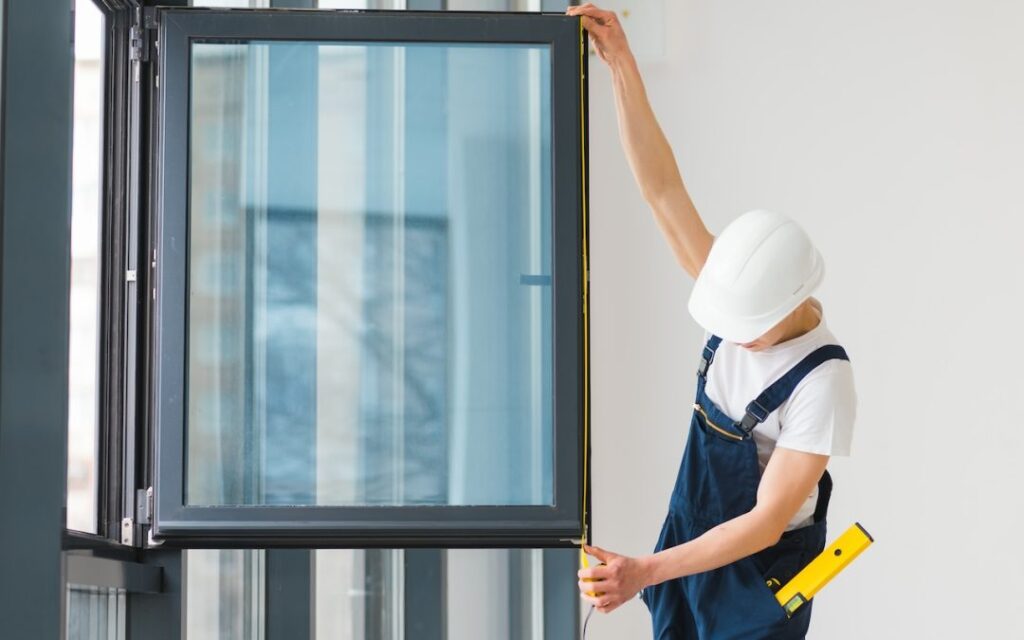
Installers should work to manufacturer’s instructions and local code and insist on a written checklist that includes flashings, insulation around the frame, and final air-leak testing where feasible.
Maintenance Needs
Window maintenance is different for each window material and style. Wood frames require regular painting or varnish to avoid rot. Both vinyl and aluminum require less paint work, but they can warp or lose their thermal performance if seals fail.
Double-pane units generally require less routine paint and glazing work than archaic single panes. They can develop fogging when seals fail, which damages efficiency and view. Regular tasks include cleaning glass with nonabrasive cleaners, inspecting seals and gaskets annually, checking for condensation on frames and between panes, replacing failed seals or reglazing fogged units, and re-caulking exterior joints as needed.
Preventive care reduces total cost of ownership and maintains heat dissipation near rated levels.
Historic Homes
Older buildings have their own constraints when swapping out windows. Historic preservation codes or design objectives can prohibit typical contemporary frames, so custom double-glazed units or retrofit inserts with matching muntin patterns and profiles are often required.
These options can preserve insulation and comfort while maintaining the original appearance. They increase price and demand precise measuring and artisan installation. Think in terms of vapor barriers, internal moisture content and materials that work with the original ones rather than trapping water in ancient walls.
Weigh the worth of original fabric against energy benefits and opt for solutions that honor both legacy and efficiency.
Environmental Impact
Double-pane windows reduce household carbon emissions by lowering energy use through better insulation and less heat transfer. Old single-pane glass offers minimal insulation, so homes with those windows often need more heating in cold months and more cooling in warm months. When a household swaps single-pane glass for double-pane or triple-pane units, the insulated air or inert gas layer between panes slows heat flow and cuts the amount of energy the HVAC system must supply.
Replacing old windows with energy-efficient ones can reduce greenhouse gas emissions from power plants and homes because less fuel and electricity are burned to meet indoor comfort needs. Energy-efficient windows are a direct contributor to sustainable building practices in that they decrease operational energy demand. With buildings representing a significant proportion of the world’s energy consumption, equipping double- or triple-pane windows decreases that burden on the scale of cities and regions.
The production side has followed. Manufacturers now prioritize energy-efficient window designs and better manufacturing methods to shrink the carbon footprint of the product itself. Better factory insulation, more efficient glazing lines, and recycled frame materials all contribute to greater manufacturing efficiency at cost-stable levels.
Window upgrades align with larger efforts toward environmental preservation and resource conservation. Energy saving translates into the raw fuels that didn’t have to be ripped out or the grueling fossil-fueled power grids that didn’t have to be pushed to capacity! GREEN Impact: Households with energy-efficient windows save 12% on energy bills and reduce greenhouse gas emissions — a tangible win for wallets and the planet!
Over time those savings add up. The shift from single-pane to double- and triple-pane windows has contributed to a measurable drop in residential energy consumption and related emissions.
List of environmental benefits:
- Reduced greenhouse gas emissions: Lower energy demand cuts CO2 and other gases from power generation.
- Improved manufacturing efficiency: Newer production methods use less energy and use more recycled materials.
- Resource conservation: Less fuel use reduces extraction needs and water use related to power generation.
- Lower peak load on grids: Reduced cooling and heating demand eases strain during extreme weather.
- Long-term waste reduction: Higher-quality windows last longer and lower the frequency of replacements.
The insulating gas layer in most double- and triple-pane windows, usually argon or krypton, slows heat transfer and makes you more comfortable, which reduces standby heating or cooling. Double- and triple-pane windows are much more energy efficient than a single window, and their adoption has become nearly universal. Almost every new home has at least one of these.
Single-pane windows are still prevalent in older inventory, providing little insulation and spurring increased energy usage.
Conclusion
Double-pane windows reduce heat loss and gain to a greater extent than single-pane units. Savings vary in different studies, but many homes realize 10 to 30 percent lower heating and cooling costs after an upgrade. Quiet rooms, less condensation, and longer service life provide additional value beyond energy bills. Upfront costs can seem steep. Examine local climate, fuel prices, and rebate programs to establish achievable payback periods. If you have older, leaky frames, combine new glass with improved seals or new sashes for optimal effect. If you’re a renter or have a tight budget, add storm windows or premium films for rapid wins. Select the best options for your home, budget, and objectives. Ready to compare models or do a local payback check? I’ll help.
Frequently Asked Questions
What energy savings can I expect switching from single-pane to double-pane windows?
Double-pane windows generally reduce heat loss and gain by roughly 30 to 50 percent over single-pane. Real savings depend on your climate, quality of the windows, and your home insulation. You will see significant dips in your heating and cooling bills within a couple of seasons.
How long does it take for double-pane windows to pay for themselves?
Payback time ranges widely. In moderate climates, anticipate 7 to 20 years. In more extreme climates or with very high energy costs, the payback can be shorter. Local energy rates and incentives will help fine-tune the estimate.
Do double-pane windows reduce outside noise?
Yes. Double panes will decrease the noise transmitted through the window compared to single panes. The gain is higher with thicker glass, unequal thicknesses of panes, or by adding an insulating gas such as argon between panes. They assist but won’t completely soundproof a loud space.
Are there maintenance issues with double-pane windows?
The main problem is seal failure, which results in fogging between panes. Premium windows and professional installation reduce this risk. Regular inspection and timely repair or replacement keep performance optimal.
Is adding a low-emissivity (low-E) coating worth it?
Yes. Low-E coatings enhance energy efficiency by bouncing back heat while permitting light transmission. They increase savings, particularly in extreme climates, and typically pay for the additional initial expense.
Can I retrofit existing single-pane windows to double-pane?
You can retrofit with sash replacement or new double-pane units. Full replacement delivers the highest performance. Secondary glazing is less expensive but cannot compete with a genuine double-pane in terms of efficiency.
How do double-pane windows impact home value and comfort?
Double-paned windows boost comfort by stabilizing temperature and eliminating drafts and noise. They can increase resale value, particularly when paired with other efficiency upgrades and proven energy savings.