
Key Takeaways
- Loud buzzing from the AC usually indicates electrical, mechanical, or refrigerant issues and should be checked immediately to prevent more expensive repairs.
- If it sounds like arcing, turn the unit off immediately and call a licensed HVAC technician. This is a dangerous electrical fault.
- Check the outdoor fan, blades, and area around for trash or bent blades, and tighten loose panels or screws. These are simple fixes that get rid of a lot of vibration and run buzzes.
- Listen for patterns to help diagnose the issue. A steady hum points to compressor or motor stress. A rattling buzz suggests loose parts. Hissing with buzzing may indicate a refrigerant leak.
- Turn your system off, record when and where the noise happens, make simple visual inspections and a safe power cycle, and then communicate your observations to a professional for speedier, more accurate repairs.
- Keep up with maintenance. Change filters on a 1 to 3 month schedule, and schedule professional tune-ups annually to minimize the chances your AC will buzz and to keep it humming for longer.
Why is my AC making a loud buzzing noise? Popular air conditioner noise questions include loose panels, failing fan motors, electrical issues, or debris in the unit, which are all common causes of a loud buzz.
The sound level and timing assist in identifying the cause, and basic checks can eliminate quick fixes. The main body details step-by-step troubleshooting, when to call a technician, and safe short-term noise-reduction measures.
Decoding The Buzz
An air conditioner’s loud buzzing often signifies an issue with its components or operation, potentially stemming from electrical problems, worn parts, or refrigerant and airflow concerns. Prompt air conditioning repair can prevent costly repairs, reduce the risk of further damage, and help maintain optimal cooling in your home.
1. Electrical Faults
Faulty wiring and failing capacitors frequently produce a sharp, steady buzz, often indicating an electrical problem with the air conditioner. A weak capacitor can stress the motor, causing a loud noise when the compressor or fan attempts to start. Inspecting wiring for discoloration, loose connections, or burn marks is crucial, as these can indicate electrical discharge that generates a hazardous buzz.
Issues with the thermostat or control board can lead to irregular cycles, causing sudden buzzing during operation. If the air conditioning unit cycles on and off erratically, it is essential to check the control electronics to avoid costly repairs.
Electrical faults may cause the system to work intermittently or not at all, necessitating the expertise of an air conditioner specialist to prevent fire hazards and ensure safe operation.
2. Compressor Stress
A pounding buzz on startup or during running is usually from compressor stress. The compressors straining from age, overheating, or low refrigerant hum harsher, deeper noises than fans. Low refrigerant causes the compressor to work harder, which causes it to vibrate more and makes buzzing more likely.
Compressor issues usually demand certified HVAC assistance, and most malfunctions necessitate replacement instead of repair. Compressor stress can ultimately cause full breakdown and much higher costs, so don’t ignore unusual startup or running buzzes.
3. Fan Obstructions
A debris in the outdoor condensing unit or a blocked fan blade causing vibration that sounds like a buzz. Leaves, twigs, and dirt caught up around the condenser fan will shift as the motor runs and create a rattling or buzzing noise.
Bent or busted blades will strike housings or induce imbalance that sounds like a never-ending grind. Inspect, clear obstructions and clean around the unit to bring back smooth airflow.
Bearings in condenser and blower fans can wear from frequent cycling, making noise. If cleaning doesn’t assist, bearing or fan replacement might be required.
4. Loose Components
Easy to fix: Loose screws, panels, or mounting feet can transmit vibration and buzz during operation. When one piece comes loose or wears down, it can cause the entire assembly to vibrate and resonate noise.
Unsecured electrical boxes or brackets within the unit contribute to the issue and accelerate wear on other components. Tighten open bolts and isolation mounts.
If buzzing continues, have tech check internal mounts. Unchecked constant vibration causes you more breakdowns and greater repair bills.
5. Refrigerant Issues
A hissing or thin buzzing typically means you have a refrigerant leak somewhere along coils or lines. Low refrigerant makes the compressor work hard and can cause ice on evaporator coils, which in turn can create buzzing as the system cycles and warms.
Freezing from leaks decreases cooling and alters buzz. Fix calls for a licensed technician to find leaks, recharge refrigerant, and make the system new again.
Your Diagnostic Steps
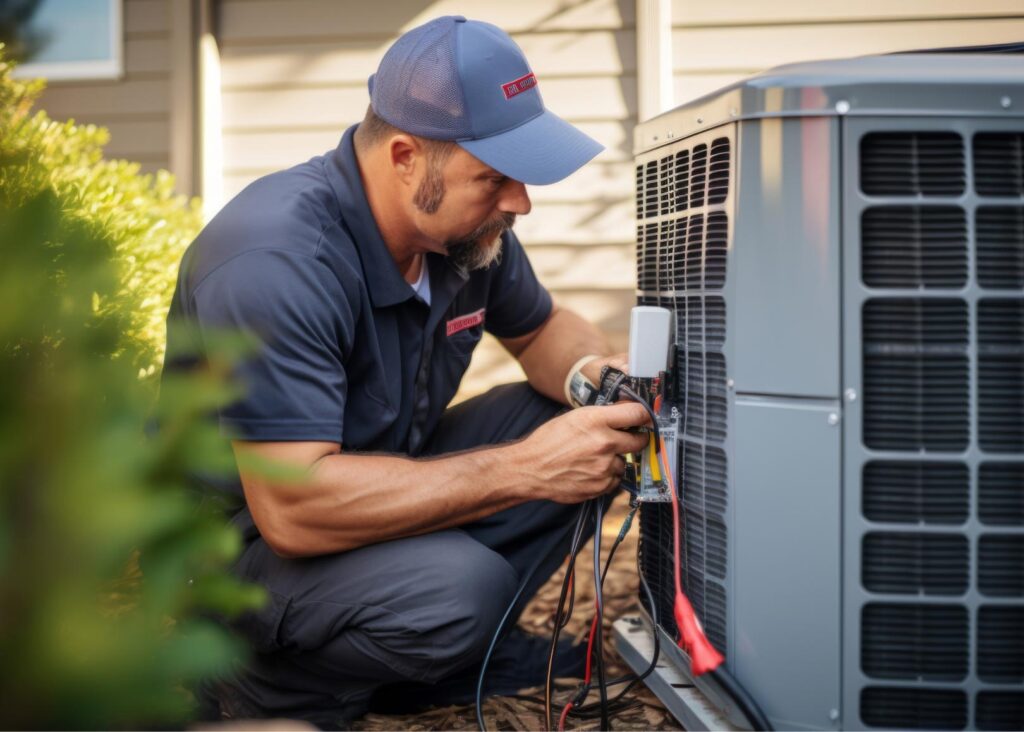
A loud air conditioner buzzing can signal an issue that requires immediate attention. Begin by turning off the AC unit and following a stepwise procedure to identify the cause, document symptoms, and gather evidence to discuss with a certified HVAC technician for potential air conditioning repair.
Isolate The Noise
See if the buzz is coming from the indoor or outside unit. This pinpoints probable sources fast. Stand next to the indoor air handler and then around to the outdoor condenser with the system running and compare. Observe if the noise initiates at startup, runs constant, or ceases abruptly.
Pace from room to room. Buzzing louder near supply vents means duct or register problems. Buzzing louder at the outdoor unit hints at debris, fan, compressor, or capacitor problems.
Hear pitch and rhythm changes in system cycles. A constant low-frequency hum that shifts when the compressor cycles on could result from electrical problems or a dying compressor. A fluttering or intermittent buzz that changes with fan speed is commonly associated with loose panels or fan imbalance.
Mark places, frequency, and duration in a table to make patterns clear for the technician.
| Location | Frequency (Hz approx.) | Duration | Notes |
|---|---|---|---|
| Outdoor condenser | 60–120 | Continuous while running | Rattling at startup, louder near fan |
| Indoor air handler | 120–300 | Intermittent during fan on | Buzz when fan speed changes |
| Supply vent (living room) | 250–500 | Short pulses | Only on high blower setting |
Visual Inspection
With power off, inspect the unit for visible damage, loose screws, dented fins, or debris caught in the fan grill. Scan fan blades for chips or bending. Even small warps cause vibration and a buzz.
Inspect coils for debris and ice. Frost patches can indicate refrigerant or air flow issues. Check electrical connections for burn marks, loose wires, or swollen capacitors. Oil stains by fittings can hint at leaks and indicate the need for urgent mechanical care.
Photograph any issues and keep track of where and when they appear. These photos accelerate diagnosis and assist the technician in determining if components or a complete replacement might be required.
Power Cycle
Turn the thermostat off and trip the circuit breaker to shut power all the way off. Pause a few minutes for capacitors to bleed off and controls to reset. Reapply power and boot the system, listening for the humming’s return or alteration.
If the buzz goes away with a reset, it might indicate control glitches or sensor faults. If it comes back, electrical or mechanical faults are more probable.
Leverage this imposed reboot to diagnose if the problem is temporary or chronic. If buzzing continues, particularly if it’s loud and deep inside the unit, have a pro check it out. Electrical issues and failing compressors need professional service.
Sound Nuances
A loud buzzing air conditioner can signify a number of issues related to air conditioning repair. Knowing the sound, when it occurs, and what other symptoms accompany it reduces the list of probable culprits and informs your decisions about whether to power down the unit or schedule emergency air conditioner repair service. Here are common sound types, what they typically indicate, what to inspect, and how to respond to minimize additional harm.
The Loud Arc
| Sound description | Likely cause | Risk level | Immediate action |
|---|---|---|---|
| Sharp, crackling zap | Faulty wiring, loose connection | High | Turn unit off; call electrician |
| Pop with visible sparking | Shorted component, failed capacitor | High | Power down; avoid using |
| Repeating snap at intervals | Relay or contactor arcing | High | Do not operate; seek repair |
A loud arc generally points to electrical failures, such as frayed wiring, loose connections at terminals, failing capacitors, or a contactor that is melting. These defects can generate sparks and heat and emit scorching smells.
Consider arcing an emergency. Turn off power at the breaker and don’t turn the AC back on. Running it further invites fire and worse. Professional techs should check insulation resistance, tighten or replace terminals, and swap faulty parts.
The Constant Hum
A constant low-frequency drone often emanates from the compressor or fan motors. This may occur at startup only or through the cool down cycle. Older compressors become worn on the inside and will hum as they strain.
Fan motors with bad bearings sing the same tune. Bad vibration isolation, such as old or absent rubber feet or a unit installed on an uneven pad, allows typical motor vibration to bleed through as a constant hum.
Daily cycling in a home puts extra stress on both the motors and the capacitors, so the humming is more prone to occur over time. Keep an eye on whether the hum corresponds with diminished air circulation or increased power consumption.
Early inspection and maintenance, such as replacing mounts or servicing motor bearings, can prevent wear and prevent expensive compressor failure.
The Rattling Buzz
A rattling buzz usually indicates loose panels, screws, or components slapping one another and can often be exacerbated in windy locations or after storms when debris accumulates. Seasonal leaf buildup around the outdoor unit or caught twigs in the fan can cause intermittent rattling.
Loose condensers or mounting hardware buzz when under load. Start with a visual check: tighten panels and screws, clear leaves and debris, and confirm the fan blades are not dented.
If the noise persists, the internal brackets or the fan motor may require repair. Taking care of rattles prevents damaged bearings or bent fins. Routine tune-ups help catch these issues before they get expensive.
Beyond The Noise
That loud buzzing sound from your air conditioner is not simply an annoyance; it could signal an underlying issue with your ac unit that impacts your comfort, safety, and energy bills. Here are some concentrated sources to examine and observe in order to determine when to intervene, what to verify, and how the strange noises connect to the overall mechanism well-being.
Cooling Performance
Check to see if cooling output falls when the buzzing begins. If the house can’t get to the thermostat set point or rooms feel lopsided—warm by windows, cool by vents—that can indicate the unit is running inefficiently. Low flow at several vents or a single low register indicates a fan or duct problem.
Junk lodged in the condensing unit can catch the fan blade and restrict flow while buzzing. Pay attention to how long the space takes to cool once the unit fires up. Longer run times with minimal impact typically point to refrigerant loss, a stressed compressor, or an electrical fault.
Use simple checks: measure surface temperatures near supply vents, compare rooms after similar runtime, and log the thermostat readout versus target. These pieces of information assist in ranking which fixes bring back both silence and speed.
System Cycling
Notice the unit’s on/off pattern when it’s buzzing. Excessive cycling, or short cycling, where the unit switches on and off within a matter of minutes, can indicate electrical connection faults or refrigerant problems that activate safety switches. Count cycles that are longer than an hour.
Typical cycles should only last 10 to 20 minutes depending on system size and environmental conditions, and frequent cycles under five minutes are abnormal. Electrical buzzing may come from loose or faulty connections at the contactor, capacitor, or compressor and these faults impact cycling.
See if cycling varies with outdoor temperature or fan speed. Get abnormal cycling under control before your compressor wears out prematurely and your energy bills soar.
Odors and Leaks
Sniff for burning, musty, or chemical odors when buzzing. A burning aroma indicates an electrical issue, such as a dying motor or wiring, while chemical or sweet smells point to refrigerant leaks. Look around your indoor and outdoor units for wet spots, oil stains, or pooling water.
Leaks or moisture are typically visible when associated with refrigerant or condensate drain issues. Refrigerant leaks can even have a hissing and buzzing meld. Don’t hesitate to act on odors and leaks; do it now to safeguard indoor air quality and prevent component damage.
Occasional care lowers the likelihood of these issues. Habitual inspections identify loose connections, debris, and worn parts before they turn critical.
Prevention Is Key
It’s like preventive care; it lowers the risk of a loud buzzing from an air conditioner and prolongs the unit’s life. Regular maintenance keeps parts clean, electrical connections sound and refrigerant at proper levels, which all reduce the risk of sudden failures and expensive repairs.
Here’s a simple schedule of steps that directly address the most frequent sources of buzzing and related issues.
- Check and clear debris surrounding the outdoor condensing unit every month.
- Replace or clean indoor filters every 1–3 months.
- Prevention is key. Schedule an annual professional tune-up with a licensed HVAC contractor.
- Preventative is best. Check vents and registers for blockage and air flow.
- Listen every month for noises that are new or changing. Log the date and conditions.
- Tighten visible screws and panels if they are loose.
- I didn’t specify this above, but keep your vegetation trimmed a minimum of 0.5 to 1.0 meters from the outdoor unit.
- Notice weird performance, such as ice on coils or weak cooling, and call for service.
Regular Cleaning
Don’t forget to clean the outdoor unit and area around it of leaves, grass clippings, and other debris that can block the fan or clog the condenser coils. Debris traps heat and restricts heat transfer, making the air conditioner work harder and occasionally resulting in a buzzing under load. Regular air conditioning repair can prevent these common issues from escalating into costly repairs.
Dust wipe down available surfaces of the indoor unit and vacuum dust from the return grille to prevent buildup that puts stress on the blower motor. Poor airflow can lead to freezing and other failures, so it’s crucial to schedule annual air conditioner maintenance. Clogged filters are still a primary cause of problems.
Clean vents and registers and balance airflow throughout the system. Limited airflow increases motor strain and raises the likelihood of strange noises. Practical cleaning tasks include removing debris from the base pan, brushing fins gently, vacuuming around the fan, cleaning or replacing the filter, clearing condensate drain lines, and cleaning return vents.
Professional Tune-Ups
Book yearly tune-ups with a licensed HVAC technician to check out the compressor, fan motor, capacitor, contactors, and refrigerant charge. Techs can detect a dying capacitor, one of the most common causes of loud buzzing, and replace it before it causes compressor damage.
Ask them to check for electrical faults, refrigerant leaks and the status of the fan motor at every visit. Low refrigerant or leaks can cause washers to freeze and make unusual noises. Fixing leaks not only preserves cooling but can prevent larger repairs.
Request the technician to tighten loose components and to lubricate bearings as needed. These procedures stave off vibration buzz and catch worn components before they become a real problem, saving homeowners time and money.
Filter Replacement
Swap air filters every 1–3 months to help keep airflow moving smoothly and decrease work for the blower motor. Prevention is key. Don’t create gaps or increased resistance by using the wrong filter size and type for your system. Stick to what your manufacturer recommends!
Record filter change dates in a calendar or digital reminder. A clogged filter is the common culprit to low airflow, increased bills and a noisy system. A simple, routine change can avoid all that and help your unit hum along, quiet and efficient.
When To Call
How do you know if a loud buzzing from an air conditioner is benign or if it’s an indication of an electrical problem or impending mechanical failure? Here’s what we call ‘when to call’ — obvious scenarios that necessitate a prompt call to an air conditioner specialist to minimize danger, prevent costly repairs, and safeguard residents.
- Sudden buzzing accompanied by visible sparks, smoke, or a burning odor indicates potential electrical arcing.
- Buzzing that persists after basic checks, such as filters and loose panels, and after powering the unit down for at least three minutes before powering it back on.
- Buzzing and then loss of cooling, breakers tripping continuously, or the unit shutting down.
- Buzzing with heat, compressor humming or vibrating.
- Any buzzing in a unit more than 15 to 20 years old or when previous repairs are approaching or exceeding $5,000.
- Buzzing with safety alarms, water leaks, or refrigerant smell.
- If you’re uneasy about electrical checks or smell arcing, call now.
Electrical Concerns
Address buzzing related to electrical malfunctions as an immediate hazard. Turn the system off at the breaker and wait a minimum of three minutes prior to any attempt to restart. Repeated restarts can exacerbate damage.
Don’t touch wiring or internals unless you’re trained and certified. Document what you saw: breaker behavior, any sparks, smells, or heat. When you call, inform the contractor of the breaker trip history, if the panel shows scorch marks, and how long the buzzing continued before shutdown.
Licensed HVAC techs can test for arcing, bad capacitors, shorted windings, or loose connections and will adhere to safety precautions you shouldn’t try.
Persistent Noise
If buzzing persists post-regular maintenance, such as cleaning the filter, tightening accessible screws, or fastening panels, call in a professional. Note the noise pattern: continuous, intermittent, only at startup, or under load.
Record duration and any change with thermostat settings or outdoor temperature. Relentless buzzing usually indicates motor or compressor problems, dying capacitors, or rattling internal components that need diagnostic equipment.
Early diagnosis limits wear on the system and can prevent catastrophic compressor failure. Mention any recent service history and the unit’s age. A technician will balance repair cost against replacement, especially if repair cost multiplied by unit age is near or above $5,000.
System Failure
Loud buzzing that precedes loss of cooling or a full shutdown typically indicates that the components have failed. Don’t keep restarting the unit. Multiple tries can ruin the compressor or electrical system even more.
Emergency repair is needed to bring back safety and comfort. Be prepared: the tech may recommend major repairs or replacement. Replace the unit if it is approaching or beyond 15 to 20 years or if repair quotes are high compared to replacement value.
Conclusion
Loud buzz from the AC indicates components requiring attention. Loose fan blades, failing capacitors, a clogged condenser, or worn compressor parts frequently lead to the noise. Check simple items first: tighten screws, clear debris, and swap the air filter. Pay attention to when the noise occurs and its pitch. A short, sharp buzz at startup usually connects to capacitors or a relay. A persistent low buzz is commonly related to the compressor or debris. Keep a picture or quick voice memo for a tech. Routine tune-ups reduce the risk of unscheduled breakdowns and maintain efficiency. For any buzzing that persists after basic touches or that begins to smell or spark, call a licensed HVAC pro. Schedule a service if the noise persists.
Frequently Asked Questions
Why is my AC making a loud buzzing noise when it runs?
A loud buzzing from your air conditioner typically indicates an electrical or mechanical problem. Common reasons include loose panels, a failing capacitor, or a worn compressor. Turn the unit off and check accessible panels, then call an air conditioner specialist for repairs.
Can a dirty air filter cause buzzing?
Yes. A filthy or clogged filter can lead to costly repairs by putting undue strain on the blower motor, causing it to vibrate loudly and produce strange noises. Changing filters every 1 to 3 months, or sooner in dusty areas, can help keep air conditioners running smoothly.
Is buzzing a sign my compressor is failing?
Buzzing can be a sign of compressor problems in your air conditioner, particularly if the noise is louder when the AC unit is starting up. This could indicate motor failure or a stuck relay. It’s best to get a trained HVAC technician to check it out and perform any necessary air conditioning repair.
Could the outdoor unit’s fan cause the noise?
Yes, issues like bent blades, a loose fan motor, or debris rubbing on the fan can create loud noises. For air conditioning repair, shut off the power and visually inspect for debris or broken blades, then tighten or replace parts as a professional HVAC technician recommends.
Should I worry about electrical buzzing smells or sparks?
Yes. Any buzzing from your air conditioner that’s accompanied by burning smells, smoke, or sparks is a serious safety concern. For fire risk, turn off power at the breaker and call a professional HVAC technician immediately.
Will tightening screws or panels stop the buzzing?
Occasionally, loose screws or panels can cause strange noises, leading to potential issues with your air conditioner. Tightening screws on access panels and mounting brackets is a simple first step; however, if the loud noises persist or you encounter electrical problems, it’s best to call a professional HVAC technician.
How can I prevent my AC from buzzing in the future?
Schedule annual air conditioning maintenance, replace filters, and keep your outdoor unit free of debris to prevent issues. Preventive care cuts down on loud noises, enhances efficiency, and reduces the risk of costly repairs.