

Key Takeaways
- Watch for warm or lukewarm air from vents, ice buildup on coils or lines, hissing or bubbling noises, continuous run times, and unexplained increases in energy bills as primary signs your AC refrigerant may be low.
- Test warm airflow with a thermometer and eliminate open windows, clogged filters, or closed vents before immediately assuming refrigerant loss.
- Don’t run the system if you notice coils are iced up and pay attention to any hissing noises because a refrigerant leak requires immediate repair!
- Go by always running and higher bills as a sign it’s working harder. Record trends during heatwaves to share with technicians.
- Do some safe, at home checks. Change filters, clear vents, measure vent temperature, and record your observations. Share it with a qualified HVAC guy who can check for leaks and recharge properly.
- Rely on professional diagnosis to verify refrigerant levels, find leaks and avoid mechanical strain or compressor damage. Do not attempt DIY sealed-system repairs.
Low refrigerant can cause lines to frost, higher energy consumption, and uneven room temperatures. Outdoor heat above 30°C increases strain on units and exacerbates symptoms. Recognizing these symptoms early can help reduce repair bills and maintain pleasant indoor air. The following passages discuss causes, easy checks, and when to call a licensed HVAC technician.
Primary Warning Signs
Low refrigerant in a central cooling system manifests as a series of warning signs. Here, first, is a quick list of the primary warning signs. I’ll explore each sign and what to inspect more closely. Let these cues guide you in calling a qualified technician.
- Warm, lukewarm, or inconsistent airflow from vents
- Ice or frost on evaporator coils and refrigerant lines
- Hissing or bubbling noises near indoor or outdoor unit
- AC runs constantly or short-cycles frequently
- Noticeable spike in energy bills without changed usage
- Weak airflow or strange odors from vents
- Water pooling near the unit or clogged condensate drain
1. Warm Airflow
Feel vents for lukewarm instead of cold air. If the room doesn’t fall to the thermostat set point after long run-time, compare vent temperature versus set point. A pronounced mismatch indicates low refrigerant or heat transfer issues. As a first step, eliminate open windows, doors, or big heat sources. Consider weak airflow: a failing blower motor, duct leaks, or a clogged evaporator coil can produce similar symptoms. If a car’s A/C exhibits the same symptoms—lackluster cooling, strange humidity regulation, or inconsistent cycling—that frequently indicates a low-refrigerant condition in domestic units.
2. Ice Buildup
Look for primary red flags such as frost or solid ice on the evaporator coils and exposed refrigerant lines. Ice can develop when refrigerant is low and the pressure dips or when airflow is obstructed. Either way, ice inhibits heat transfer and further hampers cooling. Operating the unit with exposed ice could cause compressor damage. If ice forms, turn off cooling and have a tech come out to defrost and see if a leak or airflow restriction is causing it.
3. Hissing Sounds
Hissing or bubbling – listen near both indoor and outdoor units. Such noises usually mean there’s a refrigerant leak. Record whether the noise is steady or just on startup. A continuous sound indicates an open leak which should be repaired immediately to safeguard the compressor. Unusual loud noises or vibrations are a primary warning sign of other mechanical faults.
4. Constant Operation
If the AC runs non-stop but never gets up to temperature, you’re working it too hard. Constant cycling or short cycling, turning on and off every few minutes, indicates inefficiency that can be caused by low refrigerant. Longer runtimes increase wear and energy consumption, typically reflected in elevated bills.
5. High Bills
Examine current energy bills against previous months. Primary Warning Signs unexpected spikes can indicate that your AC is consuming excess power simply because it’s unable to cool. Primary Warning Signs Before taking on refrigerant, enumerate any household changes that could increase consumption. Needing to add refrigerant after a few months or years usually means a slow leak.
Heatwave Performance Impact
Late-summer heatwaves force an air conditioner into constant, high-load operation, and low refrigerant makes that load much more difficult to manage. More heat means longer run times with shorter or no cooling cycles, less temperature control, and greater wear on components. Heatwaves act as a practical stress test. Systems that cope in spring often reveal deficits when outdoor temperatures hit the upper 30s to 40s °C (upper 90s to 100°F+). The bottom line is quicker indoor temperature spikes, more agony, and a greater likelihood of system hiccups or collapse.
Cooling Deficit
| Time of day | Outdoor temp (°C/°F) | Typical system behavior (healthy refrigerant) | Behavior with low refrigerant |
|---|---|---|---|
| Morning | 20–25 / 68–77 | Cycles on/off; reaches setpoint in 1–2 hours | Longer run; may still reach setpoint |
| Afternoon | 35–38 / 95–100 | Long cycle; holds upper 60s–low 70s in 2–3 hrs | Runs nearly continuously; holds upper 70s |
| Evening | 28–32 / 82–90 | Easier recovery; short cycles | Slow recovery; setpoint missed frequently |
If you consistently cannot achieve your desired cooling during a heatwave, expect to see multiple long cycles with minimal return-air temperature drop. On a 38°C (100°F) day, your system could run nearly continuously and still just maintain the home in the upper 20s °C (upper 70s °F). Charting temperature through the day reveals patterns: a steady rise mid-morning, a plateau at peak sun, and a slow fall after sunset when the system finally sheds heat. Reference that daily chart to see how much cooling you expected versus observed. If there is an obvious gap, your performance is compromised and likely indicates low refrigerant.
Thermal Strain
Hot air from vents, hot running compressor housing or sudden system shutdowns are symptoms of thermal stress. Safety shutoffs and error codes frequently come up when the compressor overheats or pressure sensors sense something off. Thermal strain shortens component life. Motors, capacitors, and the compressor itself wear faster when the unit runs long cycles without adequate heat exchange.
Take action immediately if thermal strain shows: check the filter and clear vents, reduce heat gain by shading windows, and maintain a steady thermostat schedule to limit on-off wear. If easy fixes aren’t working, have a professional test the refrigerant charge and check for leaks. In the face of prolonged high outdoor temperatures and non-stop operation, prompt repair is a must to avoid more expensive breakdowns.
Mechanical Hazards
Low refrigerant levels alter an air conditioning system’s operation and generate multiple mechanical hazards that count during a hot Central Valley summer. Below I’ve put together a simple table outlining common hazards, how they occur and what is likely to happen so readers can identify risks and respond fast.
| Hazard | How it happens | Likely outcome / injury |
|---|---|---|
| Increased compressor stress | Low refrigerant forces compressor to run longer and hotter | Overheat, seizure, burns, system failure |
| Motor and fan wear | Motors cycle more and run under load from poor heat exchange | Early bearing failure, noisy motors, laceration risk during repair |
| Refrigerant leaks | Low charge often from leaks; leaks can corrode or damage nearby parts | Chemical exposure, slipping hazards from oil, component corrosion |
| Water damage from clogged drain | Imbalanced cooling causes excess condensation and clogged lines | Flooding, slips, mold growth, electrical shorts |
| Sudden shutdowns | System trips on overload or safety cutouts | Unexpected stops during service, pinching or crushing during restart |
| Electrical faults | Overworked components raise current draw and heat connections | Fires, shocks, fatal injury if safety measures fail |
Low refrigerant makes the system work harder, which increases wear on moving parts like compressors, fan motors, and belts. Bearings and shafts experience greater friction during cooling deficiencies, which reduces their lifespan. A failed bearing can lock a fan or compressor very quickly. Mechanized hazards: Technicians repairing a jammed fan can incur a cut, laceration, or crushing injury if the blade jerks or wrenches slip. These aren’t just service headaches; they’re genuine danger hazards.
Low refrigerant leaks occasionally harm other parts. Refrigerant oil can transport debris and facilitate corrosion on wiring terminals, relay contacts, and aluminum fins. A small leak, if neglected, could allow water to enter and lead to insulation deterioration and short circuits. Electrical and refrigerant faults combined increase the risk of shutdowns, shorts, and even fire in worst cases. Extreme heat events make this worse. Higher ambient temperatures raise head pressure and heat stress on parts.
A large number of mechanical hazards result from faulty maintenance. Dirty filters, plugged condensate lines and fouled condenser coils cut airflow and heat transfer, which exacerbates the effect of low refrigerant. Routine cleaning and inspection reduce risk by identifying leaks, swapping filters, and clearing drain lines before water damage or system failure begins. Some hazards can’t be eliminated, but immediate repairs and scheduled maintenance reduce both severity and expense.
Alternative System Faults
Alternative system faults acting like low refrigerant during a hot summer. Prior to assuming refrigerant loss, check other parts and rule them out via elimination. Here’s a list of the most typical alternative faults with explanations and what to do.
- Electrical and control problems
Alternative System Faults Investigate other system problems. Check breakers and fuses, look for burn marks on the contactor and relays, and hear if compressor or fan motors hum and start but won’t achieve full speed. Controller failures or loose wiring can cause intermittent cooling which resembles low refrigerant. Some electrical issues require a professional. Weak capacitors will let motors stall, creating weak airflow and reduced heat transfer without any refrigerant leak.
- Airflow restrictions and blocked vents
Weak airflow is a common offender and is usually due to dirty filters, closed registers or duct obstructions. A clogged filter can reduce airflow significantly and cause the system to fight to cool, which can masquerade as low refrigerant. Examine all supply and return registers, verify constant airflow by hand and investigate any easily accessible duct runs for crushed or collapsed areas. Bringing airflow back to normal by cleaning or replacing filters, opening registers, and clearing blockages can sometimes restore cooling and eliminates refrigerant as the culprit.
- Ductwork and distribution problems
Leaky or poorly insulated ducts create hot and cold rooms and make your system work harder. Disconnected joints and big leaks decrease cooled air delivery to occupied spaces. The unit may have a normal refrigerant charge but not provide comfort. Duct restrictions and improper balancing create hot spots. Inspect ducts for obvious gaps, sagging, or insulation loss and duct seal or repair as appropriate.
- Drainage and condensate issues
Clogged condensate drains – Water backs up and causes shutoffs. A system that shuts down on high heat leaves coils wet and decreases heat transfer. Check the drain pan and line for algae, debris, or standing water and clean with a brush or suitable cleaner. Maintenance is prevention of these outages.
- Component age and wear
Old motors, fans, and compressors become inefficient and noisy. Wear can reduce airflow and heat exchange capacity, creating symptoms similar to low refrigerant: lukewarm air, humidity problems, and longer run times. Monitor component age and proactively replace prior to catastrophic failure.
Airflow Blocks
Check filters upfront. A filthy one is usually responsible for the feeblest airflow and it’s the simplest solution. Look at supply and return vents. Closed or blocked registers cut cooling delivery. Inspect ductwork for collapsed or kinked sections that strangle flow. Restore filters, clear vents, and repair ducts to verify that poor cooling was not refrigerant related.
Thermostat Failure
Alternate system malfunctions. Make sure it is cool, in the right mode and on the right schedule. Change batteries, recalibrate, or exchange the thermostat for a moment to verify consistent readings. Eliminate thermostat faults before considering refrigerant loss.
Safe Home Diagnostics
Some simple at-home tests can reveal if your central air is low on refrigerant and if you require a technician. These inspections steer clear of opening sealed components and instead emphasize safe, repeatable actions you can perform without any special equipment. Seasonal tune-ups catch small cooling issues before they turn into expensive, big ones.
Safely check for visible ice, strange noises or warm airflow without opening sealed elements. Scout the outdoor unit and indoor evaporator coil region from afar. Ice on the outdoor coil or refrigerant line, or frost around the indoor coil, indicates low refrigerant or poor airflow. Ice diminishes airflow and lowers cooling capacity. Hear hissing or bubbling around lines and faint rattling from the fan. The former could indicate a leak, but don’t attempt to repair sealed lines yourself. Taste the air from each supply vent. Air that is just a bit cool or warm with the thermostat low often indicates limited cooling capacity from low refrigerant. Older R-22 based systems may require special attention if a leak is suspected because that refrigerant has environmental regulations and can be expensive to replace.
Test with a thermometer for vent output temperature. Stick a basic digital thermometer or fridge/freezer probe in a supply vent with the system on for a minimum of five minutes for an equilibrium reading. Consider supply temperature versus return air. A good split is often an 8 to 12 degrees Celsius difference (approximately 15 to 20 degrees Fahrenheit) for many systems, but the exact target varies by system and refrigerant. Anything significantly less indicates a problem, such as a dirty evaporator coil, leaking duct work, or a bad thermostat. There are a few things to keep in mind. Refrigerant pressure checks need special professional gauges since normal pressure varies by type of system and refrigerant.
Replace air filters and clear vents as simple troubleshooting measures. Look at your filter monthly and replace it every 1 to 3 months. A dirty filter restricts airflow and can cause low refrigerant symptoms. Shut or blocked floor or wall vents can limit system efficiency. Clear furniture and dust from vents and keep return grilles open. Simple regular maintenance keeps your indoor air quality excellent and minimizes compressor strain, avoiding costly potential breakdowns.
Record results to discuss with a technician. Take note of temperatures, sounds, where you see ice, how old your filter is, and what you did. Record system age and refrigerant type if available. These notes accelerate diagnosis and assist the technician in zeroing in on refrigerant pressure checks, leak location, and if a compressor is endangered.
Technician Perspective
Technicians have tools and a process to determine if low refrigerant is the actual problem or another easy fix causing poor cooling. They begin visually and with a simple airflow check because blocked airflow typically masquerades as low refrigerant. A dirty air filter, closed vents, or a stuck blower can reduce airflow and cause the evaporator coil to freeze or ice over. From a technician’s point of view, changing filters first is easy and inexpensive, and it solves a lot of grumbles without breaking out the refrigerant. Maintenance visits catch those easy fixes before summer heat makes them desperate.
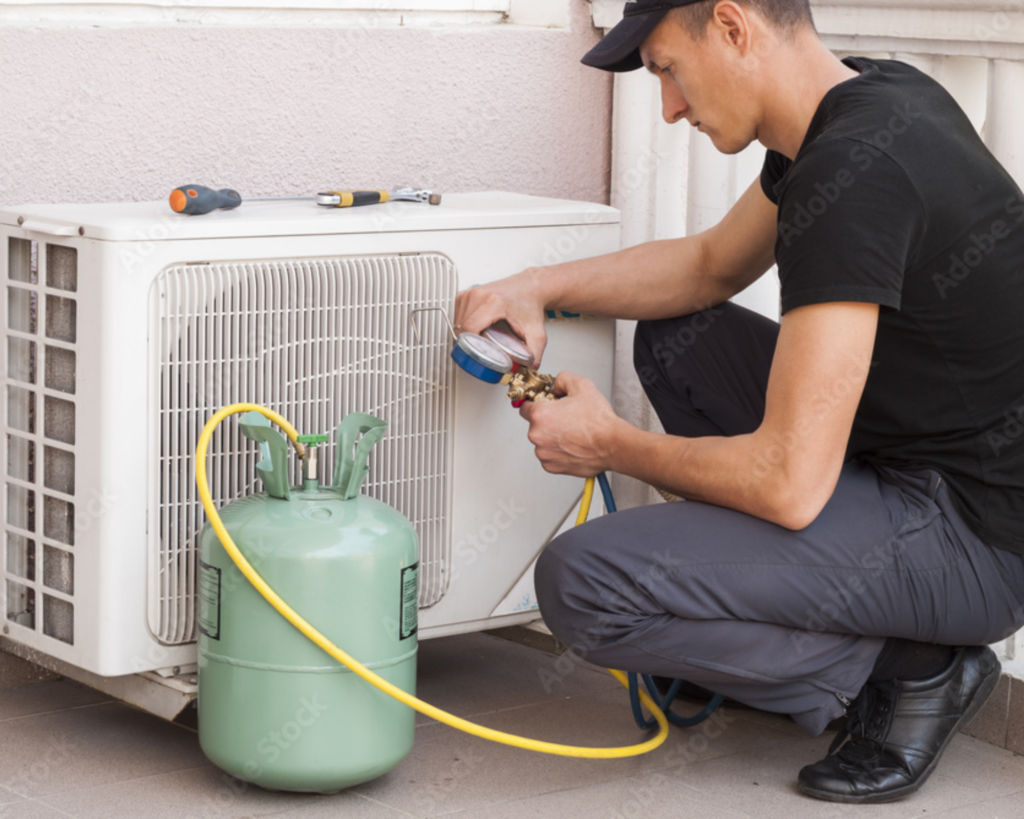
If simple tests don’t solve the problem, techs turn to gauges and pressure testing to identify refrigerant levels exactly. They hook manifold gauges to the service ports to get high and low side pressures and compare those to what they should be for the outdoor temperature. Those numbers, mixed with temperature splits across the coil, let them know if the system is undercharged. Gauges assist in differentiating actual low charge from other failures such as restricted metering devices or compressor issues. Techs employ temperature probes and even some IR tools to map where the system isn’t cooling like it’s supposed to.
Leak detection is usually necessary for proper diagnosis. From a technician perspective, they apply electronic leak detectors, UV dye, or soap-bubble techniques to locate the source of leakage. Typical culprits they observe are corroded or eroded metal coils, broken service valves, and over time, poor welds or joints that fail. It’s important to find and fix the leak because just adding refrigerant is like covering up the problem and it’s more expensive in the long run. Tech repairs can be anything from just tightening or replacing a valve, patching a coil, to changing line sets. The best repair depends on the size and location of the leak and what makes financial sense.
Technicians walk the line between safety, efficiency, and long-term cost when they suggest repairs or recharging. They don’t add refrigerant without repair unless it’s a stop-gap with intent to come back and seal the leak. They caution that operating a compressor while the system is starving for refrigerant can harm the compressor, resulting in significantly greater repair costs or even replacement. They recommend repairs be scheduled in spring when service is more readily available and less expensive than an emergency call in the height of summer. Seasonal tune-ups prevent refrigerant loss and catch short cycling, frozen coils, or noisy operation early.
Conclusion
Signs your ac refrigerant is low in a central valley summer Ice or frost on the coil, feeble vent airflow, air that never really gets cold, elevated electric bills and a unit that comes on and off more often are all symptoms of low charge. In a Central Valley summer, those signs zip along and shove the home into unsafe heat levels. Little checks at home help weed out blatant defects. A licensed tech will detect leaks, test pressures, and top up with the right charge. Temporary solutions that avoid a leak check just postpone the inevitable. Schedule service early in the season. A quick call to a certified HVAC pro keeps the home cool, saves on power and protects the compressor. Book a check NOW to prevent a mid-summer breakdown.
Frequently Asked Questions
What are the top signs my central AC refrigerant is low during a Central Valley summer?
Low cooling output, longer run times and warm air from vents are key signs. Look out for ice on refrigerant lines, hissing noises and high energy bills.
Can low refrigerant cause my AC to freeze during hot weather?
Yes. Low refrigerant lowers pressure and evaporator temperature. This can cause frost or ice on the indoor coil and refrigerant lines even in hot weather.
Could dirty filters or blocked ducts mimic low refrigerant symptoms?
Yes. Restricted air from dirty filters or ducts can produce similar symptoms: weak airflow and longer runtimes. Check or replace filters before you assume the refrigerant is low.
Is it safe to add refrigerant myself?
No. Refrigerant needs certification and tools. Improper charging can harm the system and breach the law. Get a licensed HVAC technician to diagnose and recharge.
How does low refrigerant affect energy bills and comfort?
Low refrigerant makes the system run longer and work harder. That increases energy costs and decreases comfort by not meeting set temperatures during heat waves.
When should I call an HVAC technician for suspected refrigerant loss?
Call a tech if you notice any of the following persisting: warm air, ice buildup, hissing, or higher bills. Prompt professional service keeps your compressor from seizing up and saves you from an expensive repair.
Can low refrigerant cause mechanical damage to my AC?
Yes. Running low can overheat and destroy the compressor. Early diagnosis and repair can save the system and extend its life.