

Key Takeaways
- Duct cleaning eliminates dust, mold spores, and allergens and enhances the indoor air quality, especially when you notice visible contamination or suffer from allergy symptoms.
- Duct sealing closes leaks and gaps with mastic or aerosol sealants to increase energy efficiency, reduce your utility bills, and even out temperatures throughout your home.
- Cleaning is about health and air quality, while sealing is about energy loss and system performance. One does not replace the other unless you have both issues.
- Visually inspect first for dust, mold, disconnected ducts, or loose tape. Then check system performance for weak airflow, uneven temperatures, or high energy use to determine the service that you need.
- Let trained professionals test and treat according to standards. When both duct cleaning and sealing are needed, clean before sealing so sealants bind.
- Compare upfront costs, long-term savings, and any rebates available. Measure value by tracking before and after metrics like dust and energy use.
Duct cleaning vs duct sealing which do you need addresses whether cleaning or sealing benefits your HVAC more.
Duct cleaning eliminates dust, mold, and debris to enhance air flow and indoor air quality. Duct sealing addresses leaks and gaps to reduce energy loss and decrease heating or cooling bills.
Choose cleaning for contamination and sealing for efficiency. The remainder of the post describes how to make the decision and what actions to take.
Understanding Duct Cleaning
Duct cleaning is the process of cleaning the various heating and cooling system components of forced air systems, including the supply and return air ducts and registers, grilles. It focuses on the air path: supply and return ducts, grilles, diffusers, fan housings, coils, and other reachable parts. The intent is to minimize particles such as dust, mold spores, pollen, pet dander, and other allergens that may impact indoor air quality.
Regular duct cleaning is especially significant in residences with animals, smoking, or post-construction when dust and construction debris can easily enter duct systems. For instance, professional cleaning utilizes specialized equipment with proficiency in industry standards such as NADCA (North American Duct Cleaners Association) standards and applicable local regulations.
The Purpose
Duct cleaning essentially involves sucking out the accumulated particulate matter that can recirculate through the home, improving the indoor air quality. Eliminating dust, pet hair, and pollen reduces airborne allergen load and can relieve symptoms for those inside that are sensitive.
It seeks to minimize dust accumulation which can support microbiological growth, including mold, when moisture is available. If the residents have mysterious allergies or respiratory symptoms, ducts could be one culprit and inspection with focused cleaning can assist.
Duct cleaning is not routine annual work for every home. Routine HVAC care, including filter changes, coil and drain pan cleaning, and equipment checks, is the heart of annual maintenance unless obvious contamination or other triggers exist.
The Process
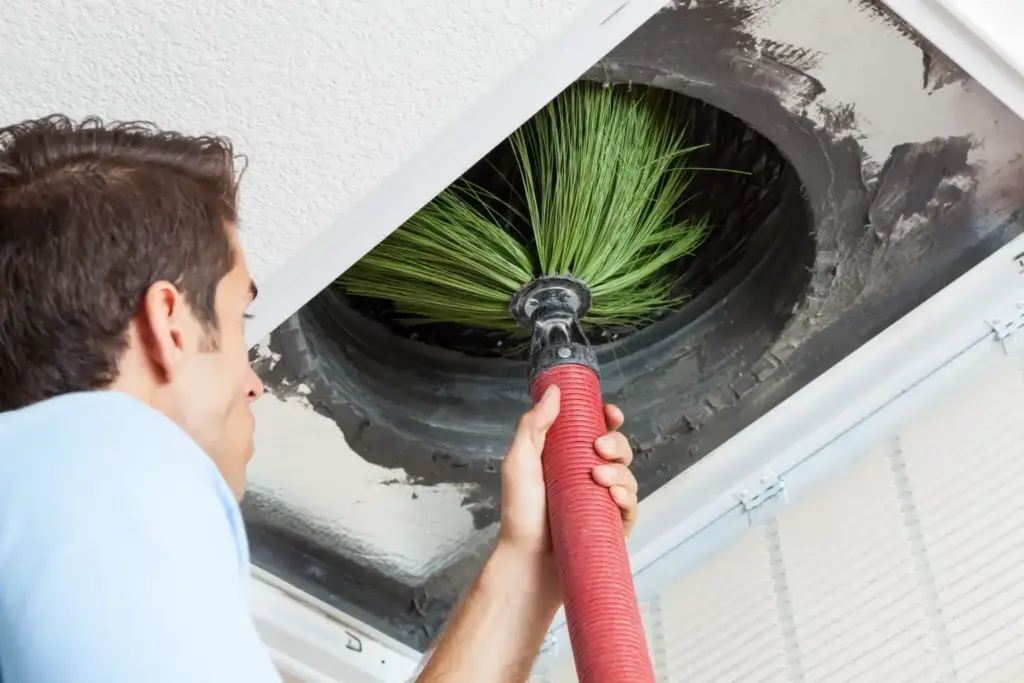
Proper duct cleaning involves the use of powerful vacuums, rotary brushes, and agitation tools to dislodge and extract contaminants from duct walls and components. Technicians will often enter through grilles or registers or remove diffusers and may have to create access panels to reach hard-to-reach sections.
Chemical biocides or sanitizers are used only as required to remediate actual mold or bacterial issues and must be applied in accordance with federal pesticide regulations. Containment and negative pressure methods are used so that debris and particles of dust that are dislodged are pulled directly to collection units instead of being released into the living spaces.
The Benefits
One of the biggest benefits of clean ducts is the potential to enhance indoor air quality and reduce airborne allergen levels, assisting sensitivity-prone occupants. The more air can move through clear ducts, the less your HVAC system has to work, which can trim maintenance and even slightly reduce your energy use.
By eliminating dust and debris, duct cleaning can prolong service life for components like fan motors and heat exchangers by reducing build-up. Cleaning can eliminate musty or stale odors and make rooms feel cozier.
Prices depend on system size, accessibility, region, and contamination. Make sure they will clean the entire system and have any relevant state licenses. Cleaning without first fixing leaks or the source of contamination is only helpful for the short term.
Understanding Duct Sealing
Duct sealing is the focused effort of sealing leaks, gaps, and seams in a building’s ductwork to prevent conditioned air from leaking out. It’s about air sealing the pathways of air lost and physically repairing those connections with materials and methods designed to produce an airtight system.
Duct sealing differs from cleaning. Cleaning removes dust and debris, while sealing fixes performance losses. I think most homes are best served with cleaning before sealing so debris doesn’t get in the way of sealants and so future access is still possible.
The Purpose
The point of duct sealing is to improve energy efficiency by preventing conditioned air from leaking into attics, crawl spaces, or walls. When ducts leak, warm or cool air escapes before arriving in rooms, pushing up energy consumption and costs.
Sealing can curtail those losses and save an estimated 20–30% on heating and cooling expenses in many homes. Sealing prevents outside air, dust, and pollutants from infiltrating the duct network, which results in cleaner filters and equipment.
More effective sealing results in more consistent temperatures throughout the rooms of a home or office, reducing hot and cold spots for better building-wide comfort. Ultimately, by easing the burden on furnaces and air conditioners, sealing can decrease repair needs and increase system life.
The Process
Start by finding leaks with ductwork pressure tests, smoke pencils, or visual inspection at joints and connections. Technicians may pressurize the duct system to locate leaks precisely and quantify leakage.
For accessible seams and joints, mastic or metal foil tape is applied to form permanent seals. HVAC-rated tape is preferred over cloth-backed options. For leaks inside long runs or behind walls, aerosol-based methods like Aeroseal can seal hard-to-reach places by circulating fine sealant particles that adhere to leak edges.
A full HVAC inspection and duct assessment should be done before work begins to confirm cleaning needs and after sealing to verify leakage reduction. Cleaning first is generally recommended since sealing over heavy debris can hide problems and make later access harder.
The Benefits
Sealing directly saves energy and utility bills when leaks are eliminated. It enhances indoor air quality in an indirect way by restricting the amount of dust and outdoor pollutants that infiltrate through leaks, rather than as a replacement for duct cleaning when ducts are dirty.
Comfort goes up because air is more consistent, dampening those room-to-room temperature swings. Sealed ducts lead to less stress on equipment. Lower run times and fewer cycles can slow wear and minimize service calls.
Look for signs that sealing is needed: uneven temperatures, higher-than-expected energy costs, or visible airflow from duct connections in basements or attics.
Core Distinctions
Therefore, duct cleaning and duct sealing are separate functions of an HVAC system. Sanitizing eliminates accumulated dust, residue, and microbial growth from duct surfaces. It prevents this conditioned air from escaping through leaks in the duct system.
While both can increase comfort and system efficiency, they address distinct underlying issues. Cleaning relates to air quality, sealing relates to airflow control and energy. Experts utilize varying tools, materials, and techniques for each, and the right order is to clean first and seal second when both are required.
1. Problem Solved
Duct cleaning solves visible and hidden contamination, such as dust layers, pet hair, pollen, mold or mildew growth, and occasional vermin residue. It addresses health and maintenance issues that manifest as dust accumulation, stubborn smells, or allergy attacks.
Duct sealing seals leaks and gaps in joints, seams, and connections that create drafts, pressure imbalance, and conditioned air loss. It solves hot and cold spots and surprise energy bills.
Typical reasons to clean would be due to dirt, mold or construction dust. Indications towards sealing are cold or warm rooms, weak vents, and large temperature swings between rooms. A simple comparison table of symptoms helps: visible dust and odor leads to cleaning; inconsistent temperatures and high bills lead to sealing.
2. System Impact
Duct cleaning contributes mainly to indoor air quality and allergy mitigation by decreasing particulate load and inhibiting microbial growth in ducts. It can decrease clogged air filters and dust covered surfaces.
Sealing directly increases HVAC efficiency. It increases the percentage of conditioned air delivered to living spaces, balances airflow among rooms, decreases compressor run time and can save energy.
Both services may increase comfort. Cleaning reduces pollutants and sealing stabilizes temperature. Neglect either and you’ll be left with lingering air quality problems or ongoing energy waste and discomfort.
3. Tangible Outcomes
Once scrubbed, anticipate less dust sitting on furniture, reduced allergy symptoms for residents, and cleaner filters that do not need to be replaced as often. Results are measurable: particulate counts and visible dust reduction.
Once sealed, anticipate decreased utility bills, more consistent room temperatures, and less equipment short-cycling. That’s where your energy use and run-time data reveal the distinction.
Cleaning will not stop leaks. Sealing will not remove contaminants. Track before and after metrics such as dust levels, HVAC run time, and energy use to judge success.
4. Cost Structure
Standard duct cleaning prices differ based on your home size and duct configuration. A small apartment would be significantly less than a large, multi-level home.
Sealing costs vary based on the materials selected, the skill of the labor, and the accessibility of the ducts. Bundles are out there too, which increases your upfront spend but frequently provides better overall value.
Disaggregate materials, labor, and access fees so you can compare quotes.
5. Ideal Candidate
Homes with observable mold, dust or allergy problems start first for cleanup. Homes with high bills, known leaks or uneven rooms fit sealing.
Most houses require both cleaning first. Think about remodels, animals, allergies and how old the ducts are.
Which Do You Need?
Deciding between duct cleaning and duct sealing starts with a clear view of what is happening in your home and how the HVAC system performs. Assess symptoms, gather simple measurements, and use a stepwise checklist to avoid unnecessary work. Below are focused ways to inspect, measure, and decide, followed by a homeowner checklist that maps common signs to recommended actions.
Visual Clues
Check for obvious dust, soot, or debris at supply grilles and return registers. Thick dust rings around vents, flaky particles on registers, or visible mold inside accessible sections indicate cleaning. Look under beds and along baseboards for weird dust bunnies that indicate duct-borne deposits.
Check the accessible duct runs. Disconnected ducts, gaps at seams, peeling tape and sagging flex ducts lead to air leaks and lost efficiency. Some physical indicators include loose joints around the furnace, bad fitting connections and crushed ducts in crawlspaces.
Scent registers a stubborn musty or moldy smell when the system operates. This can indicate microbial growth in the ducts, coil, or drip pan, and cleaning can assist if ducts are the source. If you have shedding pets, observe a slab of pet hair or dander around vents. This increases the possibility that ducts contain allergen burdens that might be helped by cleaning.
Use a flashlight and a mini mirror to explore deeper. Take snaps for reference. If you can see obvious contamination or cracks, that offers better rationale for cleaning or sealing or a combination.
System Performance
Track room-to-room temperature differentials and identify weak or uneven airflow. Major differences or cold and hot spots usually come from leaks or blocked paths and not just dirty ducts. Spiking energy bills without a change in usage or insulation may be a sign of leakage losses.
Regular filter clogging and dust on the supply side of the filter indicate that the system is drawing lint through the duct work. Cleaning might help and filter upgrades should be considered. Track how frequently the system cycles. Short cycling or odd whistling noises can indicate leaks or restrictions.
Create a simple table at home: list symptom, likely cause, suggested action. Example: weak airflow means likely leakage or obstruction, check ducts and seals, consider sealing then cleaning if debris is present. High dust levels indicate probable contamination, so clean and improve filtration. It is this mapping that directs sensible next moves.
Professional Diagnosis
Book a professional evaluation when tests or symptoms are ambiguous. Techs can do duct pressure tests, such as blower door and duct blaster, to measure leakage and find big gaps. They can do a visual and camera inspection for contamination and mold.
Certified duct cleaning providers follow standards for assessing and documenting cleanliness. Ask for before-and-after photos and method descriptions. A tailored plan from a qualified assessor is more effective than a one-size-fits-all approach. Clean only when contamination or health risk exists. Seal when leakage reduces comfort or efficiency.
The Synergy Myth
The synergy myth describes the widely held assumption that duct cleaning and duct sealing have to be done together to fix indoor air and efficiency issues. Cleaning by itself seldom addresses root problems. The right approach is based on inspection evidence, not on Pavlovian bundled marketing.
When to Combine
If inspection reveals both heavy soil and major leaks, clean and seal at the same time. Heavy dust, visible mold growth, or pest residue along with measurable leakage, gaps at joints, torn flex duct, or high leakage indicated by a blower-door or duct blaster test warrant doing both.
Do cleaning first so vacuuming and agitation will pull out loose debris. Sealing afterward allows mastic or special tape to stick to clean metal or fiberglass. If you recently did renovations that created construction dust, or water damage that spurred mold, or an infestation, it’s no surprise that both services add value.
Example: a 25-year-old system with attic ducts full of dust and gaps at boot connections; cleaning removes the soot and fragments, sealing stops attic air from entering and preserves the cleanup.
Bullet list of justified scenarios:
- Visible mold or a persistent musty odor leads to quantifiable duct leakage.
- Recent flood/water entry into ducts combined with broken seams.
- Major remodel dumping fine plaster or sawdust in vents and open seams.
- Rodent or insect activity and torn flex duct or loose collars.
When to Separate
If inspection detects but a single concern, distinct companies should keep away from unnecessary expenditure. For instance, if ducts are tested tight but have settled dust from normal use, sealing adds little as targeted cleaning or filter upgrades are more economical.
If ducts are clean yet leakage is still measured at a 20 to 30 percent loss of conditioned air, sealing or replacing damaged sections should be the priority. Flushing clean ducts just to be safe is time and money wasted.
Sealing without remediation will leave indoor air quality problems intact; it will lock in dust or mold that is already present and can limit opportunities for future cleaning.
Consider prioritizing the more pressing issue based on risk: health concerns and active contamination first, then leakage that affects comfort and bills.
Example: a newer system in a low-dust home with a single torn joint—seal the joint and monitor rather than paying for full cleaning.
Financial Considerations
Weighing upfront expense against future worth assists in determining whether to go for duct cleaning, duct sealing, or both. Knowing typical prices, what drives those prices, and the quantifiable payback over time allows homeowners to make a rational decision connected to energy savings, health outcomes, and equipment life.
Upfront Costs
| Service | Typical price range (average home) |
|---|---|
| Air duct cleaning (complete system) | 450–1,000 (USD) |
| Air duct cleaning (approx. 2,000 m² / 2,000 sq ft example) | 300–800 (USD) |
| Duct sealing (minor to moderate work) | Varies widely; obtain quote |
Price varies based on the size of your home, type of ducts, accessibility, and how contaminated or leaky the system is. Homes with long, difficult runs or ducts in crawlspaces and attics require more labor and time. More severe contamination demands additional equipment time and might necessitate component cleaning, which increases the price.
That’s why offers like “$99 specials” are so suspiciously low; they hardly pay for a complete proper job. Efficient scouring can take expensive equipment and days of manual work. Combo packs with cleaning and sealing provide discounts, but they can still be economical if you have both requirements.
Ask for itemized quotes that separate labor from materials and testing from follow-up work. Ask whether the quote covers cleaning the full HVAC system first and then testing for leaks. That two-step approach is often recommended: clean, then test and seal confirmed leaks.
Steps to create a budget worksheet:
- Aggregate known service quotes with line-item costs, including cleaning, sealing, testing, materials, and access fees.
- Calculate hidden costs, including downtime, filters, patch jobs, and any move-out while the attic work is being done.
- Include estimated yearly savings. Project energy bill decreases from sealing and efficiency improvements from cleaning.
- Count health savings, which include fewer allergy medications, reduced sick days, or advanced filtration.
- Establish a contingency of 10 to 20 percent for surprise discoveries, such as additional duct segments, mold removal, or corroborating fixes.
Long-Term Value
Duct sealing typically provides significant, persistent energy savings and reduced utility bills for years following completion. Sealing leaks not only reduces conditioned-air loss, it lowers system runtime, which directly impacts energy use.
It’s better for indoor air quality, which can cut medical bills by reducing allergy triggers and particulate load. For certain homeowners, maid service is a flat, one-time cost. For others, it’s maintenance that keeps earth-shattering collapses at bay and maintains consistent efficiency.
Both services help extend HVAC life by alleviating system strain and minimizing component contaminant buildup. Track post-service metrics: energy bills, indoor air readings, comfort in rooms, and frequency of HVAC repairs. Leveled enhancements define return on investment and direct the next service period.
Conclusion
After considering the truth, select the work that fits the issue. If your ducts have dust, mold, or debris and the airflow decreases, choose duct cleaning. If you’re losing conditioned air through gaps or seams and your bills are going up, choose duct sealing. Most houses require one or the other. Some homes benefit from both, but seal first. Anticipate purer air and easier transmission after cleaning. Anticipate less energy waste and more consistent room temperatures after sealing. For instance, a 20-year-old house with loose joints experiences a 10 to 20 percent reduction in heating costs after sealing. A home with visible mold and poor blower performance will feel and smell better after cleaning. Have a local pro do an inspection. Book the repair that suits the problem and your bank account.
Frequently Asked Questions
What is the main difference between duct cleaning and duct sealing?
Duct cleaning eliminates dust, debris and biological contaminants from duct surfaces. Duct sealing seals gaps and leaks in your ductwork to prevent conditioned air loss and infiltration. One cleans; the other seals or repairs the airflow and efficiency.
How do I know if my ducts need cleaning?
If you notice airborne dust spewing from your registers, detect musty mold or dusty odors, or have household members suffering from unexplained allergy or breathing issues, have a professional perform a thorough inspection and focused cleaning.
How do I know if my ducts need sealing?
If rooms feel unevenly warm or cool, your energy bills are elevated, or you encounter air leaks at duct connections, sealing is probably in order. A blower door or duct pressure test verifies leaks and demonstrates the value of sealing.
Can duct cleaning improve energy efficiency?
Cleaning alone seldom boosts efficiency all that much. It aids airflow if heavy blockages are present. Sealing and insulating leaks generates the most energy savings because it stops your conditioned air from escaping.
Are there health benefits to duct cleaning?
Indeed, when ducts contain mold, pests, or are heavily dusty, cleaning can reduce allergens and irritants. Professionally done cleaning by a qualified technician provides the most assured health advantage.
Should cleaning and sealing be done together?
They can be complementary but are not necessarily needed together. If ducts are dirty and leaky, you need to do cleaning first so sealants will stick. A technician can suggest the optimal order after inspection.
How much do duct cleaning and duct sealing typically cost?
Costs depend on system size and geography. Plan on cleaning to be on the more modest end, up to a few hundred euros or dollars, while sealing typically has a higher price tag and significantly better energy payback. Get several quotes and request duct leakage test data.