

Key Takeaways
- Undersized ductwork limits airflow and increases static pressure, making HVAC systems strain and reducing equipment life. Have a certified tech measure static pressure and airflow to verify.
- Undersized ducts increase energy use and utility bills by forcing longer run cycles. Contrast energy bills before and after any duct fixes to measure savings.
- Undersized ducts result in uneven temperatures, feeble airflow, and humidity issues that decrease comfort. Map room temperatures and check all vents to detect impacted zones.
- High air velocity in small ducts makes noise and turbulence, indicating airflow issues. Keep track of when and where the noises are occurring and take note of the type of sound to assist in diagnosing their origin.
- Chronic airflow restrictions damage major components like compressors, heat exchangers, and blower motors. Schedule annual inspections and watch motor run times and coil temperatures for early warning signs.
- Solutions can include anything from targeted duct modifications and zoning to complete replacement based on extent. Demand Manual J, D, and S calculations and written evaluations from anyone you’re considering.
Reduced airflow results in unequal room temperatures, increased energy consumption, and decreased equipment lifespan. Contractors treat loud ducts and frequent HVAC cycling as symptoms of undersizing.
Proper sizing enhances comfort, reduces bills, and minimizes repair expenses. Below we discuss causes, easy checks, and realistic solutions for typical duct problems in residences and small structures.
The Airflow Chokehold
Small ductwork is to airflow what a one-lane bottleneck is to rush hour traffic. It causes pressure imbalances that cascade throughout the HVAC system. Decreased cross-sectional area decreases the amount of air that can pass, so rooms get less conditioned air.
It dissects all the ways clogged ducts cause equipment stress, waste power, deplete comfort, increase sound, and degrade indoor air quality.
1. System Strain
Undersized ducts cause the blower motor and various other components to work harder to push air through tight spaces. High static pressure builds up. Blowers and compressors experience additional load and wear out quicker.
A healthy compressor can last 12 to 20 years, but with chronic high static pressure, service life can fall to 8 to 10 years. Restricted airflow increases internal temperatures in the unit. That can cause frequent shutdowns or short cycling as protection controls trip.
Over months and years, this consistent strain raises the likelihood of breakdowns and expensive repairs and decreases general dependability.
2. Energy Waste
When ducts restrict flow, systems run longer to hit setpoints. These shorter cycles and more frequent starts cost you energy and increase your utility bills. In reality, airflow restrictions frequently raise cooling and heating expenses by 15 to 30 percent or higher.
The unit pulls additional power to make up for lost airflow. Fans run faster, and compressors run hotter. Just by comparing energy bills before and after duct work changes, savings are made visible.
A simple table that lists monthly kWh or dollar amounts can quickly make evident the financial impact and payback period for corrective work.
3. Comfort Loss
Tiny ducts restrict the amount of air that gets to rooms, so inhabitants experience hot and cold spots and bad airflow. Some rooms are too warm and others too cool. Decreasing duct diameter by a mere one inch can reduce airflow by more than 20% in certain layouts.
Poor airflow equals tepid supply in winter and insufficient cooling in summer. In humid climates, this damages dehumidification, which keeps spaces clammy and raises mold risk. These nagging comfort problems all trace back to improper air balancing and duct sizing.
4. Noise Pollution
Too much noise often means undersized ducts. Airflow chokehold occurs when high air velocity through narrow runs causes whistling, rattling, and banging as airflow becomes turbulent.
These noises can be loud enough to interfere with your day-to-day activities and are useful indicators of potential restrictions. This includes common sounds and probable reasons to assist homeowners in troubleshooting and knowing when to call in a pro.
5. Air Quality
Undersized ducts decrease circulation, enabling dust and allergens to collect and feeding back ducts to asphyxiate vents. These stagnant pockets of air can foster mold in damp spots and increase respiratory hazards.
As many as 80% of homes have at least some duct sizing issue, so this is a very common driver of poorer indoor air quality. Keep an eye out for dust build-up and inconsistent ventilation as indicators of an airflow chokehold.
Telltale Signs
Undersized ductwork reveals itself in quantifiable, reproducible fashions. Here are the typical symptoms, how they correspond to duct sizing and what homeowners can do to check. Collect observations in a simple checklist: room temps, vent output, when noises occur, and monthly energy use. That checklist helps you see patterns and exchange helpful information with a technician.
Uneven Temperatures
Mini ducts restrict the amount of conditioned air that reaches certain areas, so one room may feel like a sauna while another is cold. This is most obvious in rooms remote from the air handler. Second floor bedrooms, additions, and finished attics are classic problem areas.
Telltale signs of temperature imbalances frequently indicate incorrect duct sizing and not thermostat malfunction. Map room temperatures at multiple times throughout the day to identify where airflow is scarce. If a whole floor registers low, the issue is probably systemic.
If just one register tests weak, test for a closed damper, crushed flex duct, disconnected run, or local blockage before you assume whole-system resizing is required.
Loud Noises
Whistling, banging and loud fan noises usually indicate that the ducts are undersized for the amount of airflow the system is attempting to push. Greater static pressure in tight ducts causes turbulence and mechanical stress, which increases noise and can rattle fittings and registers.
These sounds are not mere irritants; they are a warning of accelerated blower motor and other parts wear. Monitor when noises occur — start-up, steady run, or at certain damper changes — and where they are heard in the house.
It helps technicians differentiate undersized runs from loose components or failing parts.
High Bills
Soaring energy bills follow as systems run longer to achieve set temperatures with compromised airflow. Undersized ducts make heating and cooling cycles longer. These cycles consume more electricity or gas and cause components to deteriorate faster.
Fixing duct sizing or balancing frequently lowers monthly expenses significantly. Compare year-over-year bills for the same months to find trends, adjusting for weather variation if possible.
Keep in mind that just because you installed a bigger duct in one exposed location doesn’t mean you corrected the underlying problem if your system layout or total duct area is incorrect.
Poor Airflow
Diminished airflow at supply vents and sluggish temperature change are the telltale signs of undersized or blocked ducts. Stuffy rooms and inadequate return airflow signify that the system cannot circulate air properly, thus decreasing heating and cooling efficiency.
Inspect every register for uniform production. One feeble register can be a local issue, but feeble output in many zones generally indicates an issue with the ductwork at large.
Older homes with piecemeal duct changes are particularly vulnerable to such hidden sizing issues.
The Silent Killer
Undersized ductwork silently generates the environment that ruins HVAC systems and increases safety hazards. Restricted airflow increases static pressure, causes parts to strain, and allows issues to fester undetected until expensive breakdowns or safety risks emerge. Proactive duct inspection saves equipment life, energy costs, and occupant safety.
Compressor Failure
Insufficient air flow over evaporator coils causes refrigerant to absorb less heat, so the compressor runs excessively long and hard. Compromised lubricating oil flow and motor winding wear and core losses shorten motor life and can result in premature failure. Compressor failure is the silent killer of HVAC systems.
This chronic strain is driven in large part by undersized ducts that create high static pressure. When refrigerant cannot absorb and release heat freely, system pressures shift and compressor temps rise. These variations reduce the compressor’s life and raise the risk of destructive failure.
Compressor replacement is one of the most expensive HVAC repairs, frequently costing a few thousand in most markets. Watch refrigerant charge and coil temperatures as a canary in the coal mine. A low charge, suction or discharge pressures higher than normal, and coil surface temperatures off spec all indicate airflow problems.
Periodic inspections catch patterns that indicate a compressor replacement is coming.
Heat Exchanger Cracks
Limited air flow through furnaces inhibits heat exchange across the heat exchanger, resulting in local hotspots and increased metal stress. The silent killer, repeated overheating, can lead to cracks. A cracked heat exchanger enables combustion gases, such as carbon monoxide, to mix into the conditioned air.
Carbon monoxide, the “silent killer,” is colorless and odorless and can mimic flu-like symptoms or more severe illness without warning. Incomplete combustion from fuel-burning appliances is most common. Undersized return ducts that make furnaces overwork increase the likelihood these gases will seep out into living areas.
Yearly tune-ups can detect initial signs of overheating, corrosion, or stress cracks before cracks spread. Install carbon monoxide detectors and service fuel-burning appliances. Keep track of return duct sizing during service calls.
Correcting undersized returns prevents furnace overheat and lowers CO risk.
Blower Motor Burnout
Blower motors endure significantly greater strain when ducts are undersized. With increased static pressure due to constricted pathways, the motor runs longer and pulls higher current to move the same volume of air. Heat accumulates in the motor, insulation ages prematurely, and bearings wear earlier.
Recurrent motor failures frequently are duct sizing and layout problems in disguise. Frequently replacing motors is costly and preventable with proper duct design and cleaning. Monitor blower run times and amperage draw to detect undue stress.
Excessive run hours and excessive amperage indicate airflow restrictions due to undersized ducts. Regular tune-ups, static pressure measurements and proper sizing can save you money and prevent loss of equipment and carbon monoxide poisoning from over stressed fuel burning systems.
The Sizing Myth
Undersized ductwork is the scapegoat for your high energy bills or bad cooling. The real villain is a mismatch between the system design and the space it serves. Properly sized ducts provide steady airflow for efficient equipment operation and consistent comfort.
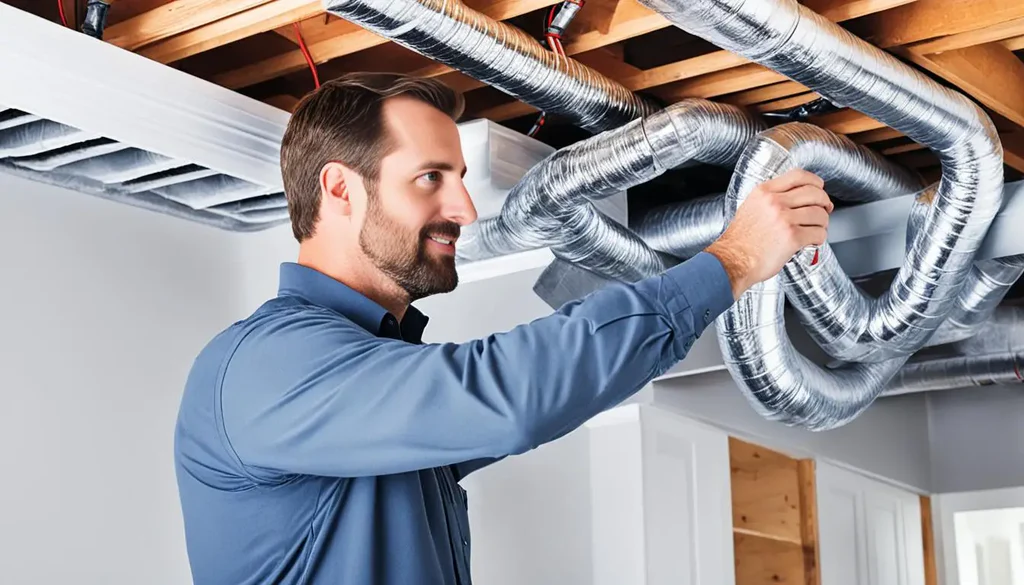
Sizing errors are one of the leading causes of HVAC inefficiency, wrangling machines into overdrive, accelerating wear, and exacerbating issues like uneven temperatures and insufficient humidity control. Accurate calculations matter. Room-by-room heat gain and loss work better than square-foot rules, and duct design must be matched to the chosen equipment and building layout.
The “Rule of Thumb” Trap
Generic rules of thumb promise speed and simplicity but omit crucial variables: ceiling height, insulation levels, window type, and occupancy. Each floor plan and HVAC load requires a personalized ductwork plan designed from measured or calculated airflow requirements.
Applying a one-size rule frequently results in ducts that are undersized for needed cubic meters per hour, creating a perpetual airflow deficit and comfort issues. Request a detailed duct sizing estimate prior to big installation. It should display calculations, assumed loads, and velocity targets.
Ignoring Static Pressure
Static pressure is the invisible hand that designs duct behavior. If overlooked, designers are left with ducts that are either undersized or oversized for the blower’s capacity. High static pressure causes fans to work harder, reduces airflow delivered, and reduces equipment lifespan.
It interacts with unit sizing: an oversized AC can flood ducts with cold air and short-cycle the system, while wrong duct pressure can worsen humidity control. Good design matches the needed CFM with allowable friction and velocity pressure drops through fittings and grille devices.
Measure static pressure at several locations — supply, return, and across the coil — to troubleshoot performance problems in the field.
The Velocity Problem
Ducts that are too small increase air velocities, which generate noise and decrease comfort. Fast airflow carries more dust, loads filters faster, and can eat holes in seams or flex duct liners over time.
Quiet, even systems hold velocity to recommended levels so occupants feel temperature, not hear noise. Designers employ target velocities by branch and trunk size for various rooms and applications; this sidesteps the high speed flow curse.
Factor in duct insulation and sealing. Duct leaks typically lose 20 to 30 percent of conditioned air. Look for two-stage or variable-capacity units to minimize short-cycling and maintain better moisture control in humid or swing climates.
Proper Diagnosis
Proper diagnosis begins with a clear map of the problem: determine whether poor airflow affects a single room, an entire floor, or the whole home. Check registers, take note of weak or strong vents, and note when and where temperature differences occur.
Older homes often hide changes: past renovations, added zones, or patched ducts can change capacity and routing. One weak register may indicate a closed damper, crushed flex duct, a disconnected run, or a local blockage.
Treating that vent alone without a system-wide review is in danger of leaving the root cause untouched.
Professional Assessment
Hire a certified HVAC technician to evaluate duct sizing and airflow. Professionals use tools such as manometers for static pressure, balometers for measured air volume, and smoke or tracer tests to reveal leaks and flow paths.
They will test multiple rooms and the system at different fan speeds to see how pressure and volume change, which exposes tight runs, excessive turns, or undersized trunks. A trained tech will check insulation, return paths, and the condition of registers and dampers.
They can spot crushed flexible duct behind a closet or an improperly installed boot at a ceiling register. Request a written report that lists measured static pressures, CFM per register, observed faults, and a clear set of recommended fixes with estimated costs.
That record prevents guesswork later and helps avoid buying oversized or incompatible equipment.
Manual J, D, and S
Get a Proper Diagnosis: Use Manual J, D, and S calculations for proper sizing and selecting. Manual J determines the cooling and heating loads of each room and the entire structure in metric units, considering orientation, insulation, windows, and occupants.
Manual D converts those loads into duct sizes and layouts so each register gets the CFM it needs without too much pressure drop. Manual S leads equipment selection so the selected unit fits the load and the duct system.
Skipping these steps leads to common mistakes: oversized compressors that short cycle, undersized ducts that starve rooms, and mismatched components that reduce efficiency.
Here’s a checklist to demand for any new HVAC project: completed Manual J, Manual D, and Manual S, measured static pressure, duct layout diagram, documented vent locations, and lengths.
This checklist keeps owners from throwing money at bigger equipment when the real problem is limited runs, bad layout, or missing returns.
The Right Fix
Undersized ductwork demands a plan that is based on measured data and realistic compromises. Begin with a duct design analysis based on accepted industry-standard calculations to map proper duct sizes, layout, and anticipated airflow. The proper fix varies depending on the scale of the sizing mishaps and the home’s blueprint, along with individual comfort issues.
Below are the main options: modification, zoning, or full replacement. Each optimizes comfort, system efficiency, and equipment life in unique ways. Construct a pros-and-cons list for each fix to help determine and consider before-and-after airflow testing to validate.
Duct Modification
Expand or insert duct sections in areas where airflow is restricted. Typical repairs involve replacing short runs of undersized duct with properly sized rigid or flexible ductwork or installing a new supply or return run to balance flow. Seal all joints and connections and insulate ducts in unconditioned spaces.
Sealing and insulation frequently produce quantifiable efficiency and comfort gains. Targeted work can fix specific hot or cold spots without replacing the whole system, which is a lower cost option for localized issues. Take baseline airflow and temperature readings, then retest after your modifications to both quantify the benefits and provide some fuel for the pros and cons discussion.
System Zoning
If you want to be the right fix, install a zoning system to distribute energy where it’s needed in a house. Zoning employs motorized dampers in the ductwork and separate thermostats to direct conditioned air where it’s needed.
It’s especially beneficial in homes with significant room-size variations, multi-level layouts, or sun-drenched rooms. Zoning can reduce energy use by avoiding the over-conditioning of less-used spaces and by providing some compensation for undersized trunks. It’s not a solution if main ducts are seriously undersized.
Prior to investing, identify candidate zones and document each zone’s individual load, occupancy patterns, and air flow restrictions so your dampers and controls fit actual requirements.
Full Replacement
That are going to require you to replace the whole duct system where undersizing or poor layout is rampant. New ducts allow you to start from scratch, incorporating appropriately sized ducting, better layouts, and current insulation requirements.
A full replacement is the longest-lasting fix and can pay for itself through lower energy bills, fewer service calls, and extended equipment life, often within just a few years. It’s a serious investment. Get multiple quotes, compare materials (rigid sheet metal versus insulated flex), and contractor design approaches.
Check and schedule cleaning and inspection every few years to maintain airflow and indoor air quality, particularly in humid climates.
Conclusion
About how undersized ductwork hurts HVAC performance. It reduces airflow, increases energy costs, and decreases equipment life. Rooms feel lumpy. Filters get clogged faster. Compressors run hot more frequently. A quick airflow test and a check of the duct layout reveal the problem immediately. Right-sizing ducts, fixing leaks, and adding proper returns restore balance. In one condo, swapping a single too-small trunk increased airflow by 30 percent and reduced run time by 25 percent. In one small office, taped joints not only reduced noise but balanced temperatures across zones.
These fixes save you money and boost comfort. Book a test with a licensed tech. Receive a plain-English report, options, and an estimate. Do what fits your space and budget.
Frequently Asked Questions
What happens when ductwork is undersized for an HVAC system?
Undersized ductwork hampers HVAC efficiency. That decreases comfort, makes the system run longer, increases energy consumption, and reduces component lifespan. It makes more noise and causes uneven temperatures.
How can I tell if my ducts are too small?
Watch for weak room airflow, long run times, high energy bills, frequent cycling, and noisy vents. A professional airflow test verifies sizing problems.
Does undersized ductwork damage my HVAC equipment?
Yes. Because restricted airflow drives pressures and temperatures higher in the system. This results in compressor strain, coil freeze-ups, and premature component failure.
Can ductwork be resized without replacing the HVAC unit?
Most of the time, yes. Sometimes enlarging or re-routing ducts, adding ducts, or using properly sized plenums can fix airflow without replacing the unit. A load and duct design check is needed.
Will undersized ducts affect indoor air quality?
Yes. Reduced airflow reduces ventilation and filtration effectiveness. This can cause dust, humidity pockets, and pollutant buildup, harming indoor air quality.
How much does correcting undersized ducts usually cost?
Prices differ by house size and level of difficulty. Easy solutions will set you back a couple hundred dollars, while full duct replacement can hit several thousand dollars. Obtain several bids and a duct design report.
Who should I hire to diagnose and fix duct sizing problems?
Hire a licensed HVAC contractor who has experience designing ductwork and has tools to measure airflow. Get professional solutions and ask for Manual J (load) and Manual D (duct) calculations.