

Key Takeaways
- Evaporator coil replacement generally runs between 1,000 and 2,500 metric-equivalent dollars installed, with parts, labor, refrigerant recharge, and disposal all driving the total. Obtain an itemized quote to line item compare.
- Labor frequently composes 40 to 60 percent of the invoice and increases with challenging access, premium technician certification, or multi-splits. Consider location access when estimating.
- Refrigerant handling is mandated by law and adds substantial cost at approximately $100 to $150 per pound. Check refrigerant type and if reclaimed is okay to lessen recharge cost.
- Check warranties too because manufacturer parts warranties may well cover the coil but typically don’t cover labor or refrigerant. Make sure you’ve got coverage before scheduling work.
- Check for signs of trouble like tepid air, freezing, or puddles and correct them before the compressor dies and costs you more.
- Before you decide to repair or replace, consider your system’s age, efficiency, refrigerant compatibility and hidden complications like line contamination or duct mismatch. Get several quotes from licensed contractors.
Evaporator coil replacement cost is the average cost to replace the evaporator or indoor cooling coil in an air conditioner or heat pump. Costs differ by coil type, unit size, and labor, sometimes falling within mid to high range based on refrigerant and access. Factors include brand, warranty, and whether they use copper or aluminum coils. By understanding parts, labor rates, and typical price ranges, it becomes easier to plan repairs and compare contractor quotes.
Average Expenses
Replacing an evaporator coil involves various expenses, with the national average for a complete replacement typically ranging from 1,000 to 2,500. The cost of the coil itself may vary from 600 to 2,000, while the total project cost, including labor costs, refrigerant evacuation and recharge, and disposal, usually approaches 1,500. Additionally, permit fees can add 50 to 200.
1. Equipment Price
Horizontal coils generally have a lower price than slab or vertical designs since they fit standard air handlers. Anticipate small horizontal coils to cost approximately 550 to 1,100, with slab or custom vertical coils driving toward the high end. Material matters: aluminum coils are generally cheaper than copper, though copper may be preferred for durability. Brand and coil design drive cost; name-brand and high-efficiency coils have higher price tags and often longer parts warranties. Manufacturer warranty status alters cost exposure. An in-warranty coil may lower parts cost but not labor.
Greater capacity systems and high-efficiency coils push the coil price upward. For instance, a high-tonnage coil for a commercial split system can top residential prices. Refrigerant compatibility alters equipment choice and cost. Coils built for R-410A or newer blends differ from older R-22 designs. Whether you’re converting a system or using reclaimed R-22 affects purchases and overall spend.
2. Labor Rates
Labor can constitute 40% to 60% of replacement cost. Average labor for a coil swap is about 700 overall. Technicians bill $75 to $150 an hour, and an average swap out requires 2 to 4 hours for most professionals. Regional labor rates indicate that urban and high-certification locations are more expensive.
Job complexity and technician certification influence ultimate labor invoices. If it has hard to reach places, additional dismantling stages or needs a certified refrigerant technician to do the work, that means more time and expense. If a coil is in a compact attic or sunk into a furnace cabinet, anticipate more expensive labor.
3. Refrigerant Recovery
Before removing the evaporator coil, proper refrigerant evacuation and recovery is mandated by EPA Section 608. The refrigerant recharge price can vary significantly, adding approximately $100 to $150 per pound. Most HVAC systems contain between 6 to 12 pounds of refrigerant, with R-22 recharge costs ranging from $300 to $1,800. Utilizing reclaimed refrigerant from a decommissioned unit can help reduce overall costs. Ensuring the right refrigerant is crucial for optimal HVAC system performance and warranty coverage.
4. Warranty Coverage
Manufacturers’ warranties might cover the HVAC system components, particularly the coil aspect, but often do not include labor costs or refrigerant recharge. Home warranty plans or HVAC service contracts could help cover some of the expenses; it’s essential to read those terms closely! Warranty first—before replacement, ensure that the evaporator coil cost is included. Typical exclusions are damage from poor maintenance, refrigerant leaks due to age, or expired warranties.
5. Accessibility Challenges
The location of the coil—whether in the air handler, furnace, attic, or crawl space—significantly influences the labor costs and materials needed for the HVAC system. Limited access may necessitate the removal of ductwork or additional panels and fasteners. Slab units and certain horizontal installations usually complicate matters, increasing the time and labor involved.
Warning Indicators
A failing evaporator coil in your HVAC system presents a combination of warning signs that, when observed together, signal an urgent need for inspection. Early diagnosis restricts system harm and increased labor costs by curtailing refrigerant loss, preventing compressor overexertion, and averting cascading failures. Here are three primary warning signs to observe and what they usually signify.
Warm Airflow
Consistently warm air from your vents is the usual warning sign of evaporator coil problems or a refrigerant leak in your HVAC system. If the air handler blows air just a few degrees cooler than room temperature or the system runs continuously but can’t hit the thermostat set point, check the coil. Insufficient cooling may arise due to coil corrosion, pinhole leaks in the tubing, or obstructed fins that inhibit heat exchange. Older systems (12+ years) and R-22 units are the most prone to leaks. A grimy air filter can exacerbate these ailments by limiting airflow, so swap out the filter before you decide the coil is guilty. Examine the indoor coil and air handler for signs of visible damage, oil leaks, or icing. If the system continues to run but misses the thermostat set target by 5 to 10 degrees, that differential often indicates diminished heat exchange at the evaporator coil.
Ice Buildup
Warning Signs: Ice on the evaporator coil or refrigerant tubing indicates a problem with thermal transfer in your HVAC system. Ice typically forms when refrigerant levels are low or airflow is limited, often due to a clogged filter, blocked return, or collapsed duct. Additionally, leaking or failed coil components and internal corrosion can lead to uneven temperatures, which may permit freezing. Ice is no joke; running under these conditions can strain and ruin the compressor, leading to significant repair or replacement costs. If ice has formed, it’s crucial to turn off the system and call a licensed technician for proper maintenance to thaw and test for pressures or leaks.
Fluid Puddles
Water or refrigerant puddles under the air handler or furnace indicate coil leaks or drain failure, which can significantly impact the overall performance of your HVAC system. A clogged condensate drain or damaged drain pan can trigger overflow. Refrigerant pooling, less common but more serious, indicates a leak in the coil or tubing and requires prompt service from a licensed HVAC technician. Look for signs of corrosion, pinhole leaks, or visible tubing damage around the indoor air coil. Elevated indoor humidity is another warning sign. A functional coil pulls around 20 to 75 liters of water out of the air per day, which is 5 to 20 gallons. If coil repair estimates exceed 50 to 60 percent of a new system’s installed cost, it might be better to consider a replacement.
Repair or Replace
Repair or replace your HVAC system? It depends on comparing the evaporator coil cost to the replacement, factoring in the age of your system, the refrigerant used, and the overall system performance. Begin by evaluating the repair costs against a new AC unit and considering potential upcoming failures if the unit is older, especially if it holds 6 to 12 pounds of refrigerant.
Compare the cost of coil repair versus full evaporator coil replacement
- Direct cost comparison: list typical costs and thresholds. Evaporator coil replacement part cost is about 600 to 2,000 (currency consistent across markets). Labor for installation is roughly 400 to 1,000. Refrigerant recharge is 150 to 400 for modern R-410A systems. For older R-22 systems, recharge can run 600 to 1,800. Use the 50 to 60 percent rule: if the repair or coil replacement plus associated charges reaches more than 50 to 60 percent of the cost of a new system, favor replacement. For instance, if a new system costs 5,000 and total repair comes to 2,500 to 3,000, replacement is the better long-term option.
- System age and performance context. * Under 10 years and working well: a coil repair or replacement is more defensible, especially for R-410A systems. The unit probably still has good efficiency and parts have life.
- Over 10 years: there is a higher risk that compressors, capacitors, or control boards will fail soon. If the coil goes on a unit over 10 years old, schedule replacement instead of repairs.
- 15 years or older: full system replacement is generally recommended when the coil fails because the remaining components are likely near the end of life.
- Refrigerant type concerns. * R-410A systems: Coil replacement often makes sense if system age is under 10 years because refrigerant is available and recharge costs are modest.
- R-22 systems: Repair frequently becomes uneconomic due to high recharge costs. Replacement usually wins unless the repair is minor and the owner accepts future R-22 scarcity costs.
- Warranty, efficiency, hidden costs. * If warranty on coils and major components by manufacturer, repair or replace. A still-good warranty can tip the math toward repair. * Consider system efficiency: older units may have lower seasonal performance. Repair or replace: Replacing the system can lower energy bills and potentially earn you rebates. * Consider labor availability and local cost differences. For example, a coil part might be cheap in one market but labor high, changing the decision.
Consider costs, age, and anticipated future failures of the HVAC system, including refrigerant and warranty.
Hidden Complications
Replacing an evaporator coil may seem straightforward, but complications related to the HVAC system can increase costs and complexity. The evaporator coil must match the rest of the system, and older or damaged HVAC components often reveal issues only after work begins. Understanding these hidden complications, including the potential for increased labor costs and the need for proper maintenance, is crucial for managing expenses and ensuring optimal system performance.
Line Contamination
Debris, moisture or acid in refrigerant lines can quickly damage a new coil. If contaminants are left behind post swap, your new coil will rust or clog, reducing its lifespan and effectiveness.
Line flushing or line replacement is frequently necessary with coil replacement. Flushing can clear away oils and dirt, but it can miss deep corrosion or formicary damage, a hidden issue common to copper that creates tiny pinhole leaks. In numerous instances, they suggest swapping out the coil and liquid/vapor lines too to prevent any repeat breakdowns.
Contaminated lines can result in compressor failure, which is an expensive repair that may be more than the coil replacement. Compressor burnout from acid or debris is common and can necessitate a complete system change if the outdoor unit is older.
| Issue | Short-term effect | Long-term risk |
|---|---|---|
| Moisture in lines | Reduced cooling, oil foaming | Acid formation, coil corrosion |
| Debris or sludge | Blocked capillary/expansion device | Compressor damage, repeat service |
| Pinhole leaks (formicary) | Slow refrigerant loss | Repeated recharges, system failure |
Duct Mismatch
Poor duct sizing or layout can prevent a new hvac system component from performing as anticipated. A coil for a specific cfm requires ducts sized to that amount of air. The wrong ducts choke the capacity. As a result, mismatched ducts lead to uneven cooling, hot and cold spots, and longer run times. Low airflow can freeze the evaporator coil, which can be blamed on the coil itself but is really caused by ducts or filters.
Cross duct compatibility is essential when working on a coil swap. It’s important to check static pressure, duct size, and return-path adequacy. Often, repairs or modifications are necessary, such as sealing leaks, enlarging returns, or adding balancing dampers to reach design airflow for larger systems.
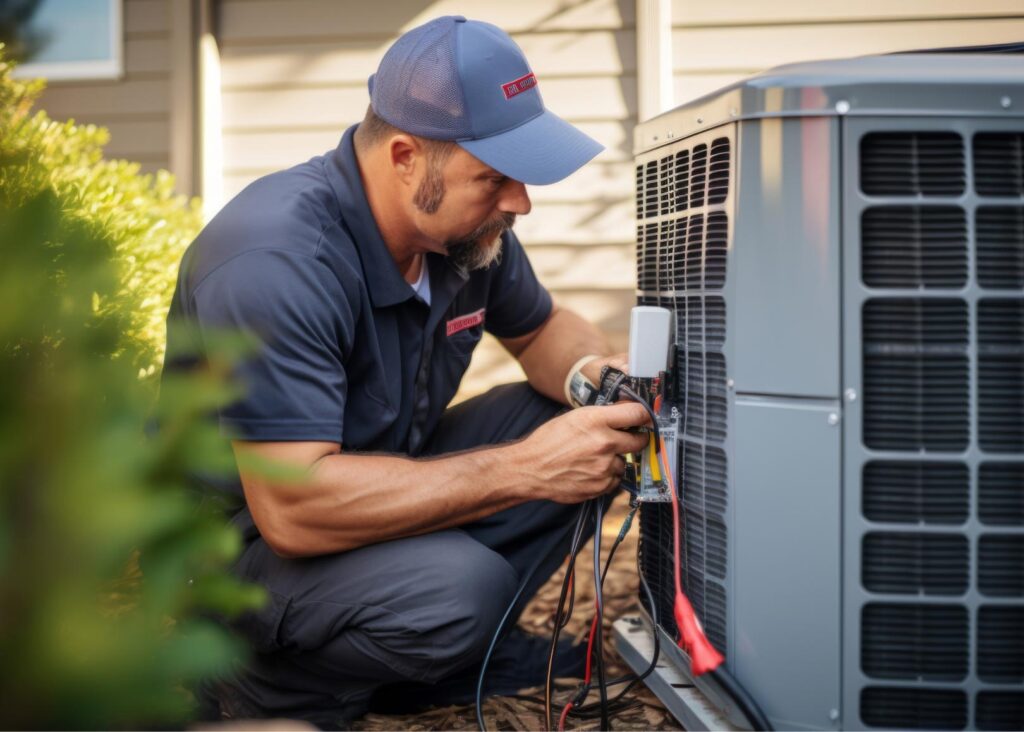
Cross duct compatibility when working a coil swap. Check static pressure, duct size and return-path adequacy. Often, repairs or modifications are necessary, such as sealing leaks, enlarging returns, or adding balancing dampers to reach design airflow.
A checklist should include inspecting lines for oil or acid, pressure-testing for leaks, measuring airflow and static pressure, and evaluating duct sizing. Additionally, it’s crucial to estimate line replacement and permit costs, including electrical upgrades and refrigerant evacuation and recharge.
If repairs cost more than about one-third to one-half of a new ac unit, and the unit is old, consider a complete replacement of the refrigeration system to ensure optimal performance.
Strategic Considerations
Evaporator coil failures necessitate a careful balance between repairing the coil versus replacing the entire HVAC system. In cases of a coil failure on a 15+ year old system, the decision almost always leans towards full replacement rather than repair. This is particularly true for older systems, where other wear points are likely present. Replacing just the coil can lead to recurring service calls and increased lifetime costs. The industry rule of thumb suggests that when repair costs exceed 50% of a new system’s price, opting for a replacement is generally the more economical choice. Conversely, for systems less than 10 years old, especially those using R-410A refrigerant and in good condition, coil repair can often be a viable and affordable option.
Platform compatibility counts. Newer refrigerants and coils aren’t necessarily compatible with older compressors or furnace sections. If your system utilizes a different refrigerant than the replacement coil, you might require additional components or even a refrigerant switch that increases both cost and complexity. For instance, placing a coil in a 15-year-old condensing unit with an antiquated refrigerant can necessitate expensive retrofits or cause the new coil to underperform. Always check refrigerant type, model compatibility, and manufacturer recommendations prior to opting for coil-only replacement.
Base your decision on energy efficiency and long-term repair costs. These newer systems provide more seasonal energy performance and reduce utility bills, which helps to amortize the upfront cost. Compare the projected energy savings with the cost differential between repair and replacement. Allow for future failure on old parts. If a system has been leaking slowly for months, anticipate extra labor and parts to identify and repair leaks, which drives up overall repair cost. Refrigerant recharge alone can vary from approximately 300 to 1,800 (common currency), depending on refrigerant type and amount required. Add that to the repair quote.
Consider warranties and rebates. Check your home warranty coverage and any manufacturer warranties prior to signing work for repairs. Some coils or systems have multi-year warranties that can modify the cost calculus. Utility and manufacturer rebates for high-efficiency systems could lower net replacement cost. Document warranty terms, claims processes, and the necessary installer credentials to be eligible.
Lastly, maintenance and preventive measures are critical both now and in the future. Regular maintenance, including coil cleaning and timely filter replacements, not only extends the lifespan of coils but can also uncover problems before they escalate into catastrophic failures. If you decide to repair, request a comprehensive system checkup to prepare for potential short-term repairs. Take into account the home’s needs regarding noise, airflow, and indoor air comfort, and weigh short-term expenses against long-term reliability.
Installation Approaches
Professional installation and DIY both seek to renew cooling, but they vary in price, hazard, and future results. The HVAC system must ensure that the evaporator coil matches the same tonnage, refrigerant, and metering device as the outdoor unit. A proper match maintains efficiency, avoids compressor damage, and protects warranties. A mismatched coil can reduce efficiency by twenty to thirty percent, potentially damage the compressor, and usually voids manufacturer warranties on the indoor and outdoor components. These mechanical requirements define installation options.
DIY risks are real. Most homeowners don’t realize how close the tolerances are for refrigerant type and metering device. Improper refrigerant handling can leak dangerous gas and violate the Clean Air Act and EPA regulations. DIY work typically kills warranties as manufacturers insist on certified technicians for major service. Difficult access within the air handler or furnace cabinet can transform an easy switch into a tricky task. Without the proper equipment, a fix can be either unsafe or inadequate. Labor costs and specialized tools matter. Technicians typically charge $75 to $150 per hour, and labor makes up a large share of the total project cost.
Going with a licensed HVAC contractor takes the legal and technical risk out of the equation. Our professionals guarantee compliance with EPA, the Clean Air Act, and local codes. They confirm coil to outdoor unit match and can test system balance, refrigerant charge, and metering device operation. An experienced tech spots collateral issues that impact lifespan, like air flow, drain issues, or a dying blower motor. For most homeowners, evaporator coil replacement runs between $1,000 and $2,500 in parts and labor, averaging around $1,500 for a typical job, with a wider range of $627 to $2,700 accounting for smaller to more complex installs. Quotes differ by coil cost, type, refrigerant, brand, and accessibility of the coil.
Installation approaches: Obtain several quotes from licensed HVAC technicians to ensure you get the best value and HVAC coverage. Have each contractor itemize parts, labor hours, permit fees, and warranty terms. Make sure they are qualified to work with the refrigerant type your unit uses. If the coil has one leak at an accessible location and it’s a newer system, brazing it for $300 to $800 could buy you another 2 to 3 years. Note that some repairs require three visits: first to add dye to find the leak, second to locate the exact leak and order parts, and third to make the repair. These staged approaches impact overall time and cost, so factor in return-visit charges when comparing.
Conclusion
Evaporator coil replacement typically has obvious trade-offs. A new coil eliminates leaks and increases airflow. It reduces energy consumption by an appreciable percentage and may even increase the system’s lifespan. Prices depend on unit type and accessibility. Easy split systems are cheaper to repair than big packaged units. Hard to reach coils increase labor and parts expenses. Small repairs keep the bills down in the short term. Total replacement yields more consistent results and fewer callbacks.
Consider system age, repair history, and local labor rates. Get written estimates that detail parts, labor hours, and warranty duration. Keep one example: a 7-year-old split system with frequent freeze-ups usually needs a new coil. If so, arrange to have the work done during the cooler months to prevent a long wait.
Get a couple of bids. Compare apples to apples, both to clear numbers and warranty terms. Choose the one most suitable for your budget and long term usage.
Frequently Asked Questions
How much does replacing an evaporator coil typically cost?
The average total cost for an HVAC system can range from approximately 400 to 2,500 EUR, depending on the coil type, system model, labor costs, and refrigerant used. High-efficiency or custom coils often incur higher costs, so it’s advisable to get several quotes to ensure you understand the overall expenses.
What factors most affect evaporator coil replacement cost?
The cost is influenced by factors such as coil design, system compatibility, and labor costs, especially for older HVAC systems, which can significantly affect the final quotes.
Can I repair the evaporator coil instead of replacing it?
Small leaks or surface damage in an HVAC system are occasionally repaired. While repairs may lower labor costs short-term, they are less reliable. Replace the coil itself if there is corrosion, widespread damage, or compatibility problems.
How long does an evaporator coil replacement take?
Normal replacement of an hvac system typically takes three to six hours for an accessible system, but complicated work involving refrigerant evacuation and recharge may extend this timeframe.
Will replacing the coil improve system efficiency?
Yes. A properly matched and clean evaporator coil, such as Trane comfort coils, restores cooling efficiency, reduces energy consumption, and increases indoor air comfort.
Are there hidden costs I should expect?
Possible extra costs for your HVAC system may include refrigerant recovery and recharge, new filter-drier, line set repair, or duct adjustments, so request a written, itemized fee estimate.
How do I choose a qualified technician for coil replacement?
Choose qualified HVAC experts with local feedback and HVAC coverage. Request references, refrigerant handling certification, and a transparent warranty on parts and labor costs before work starts.