

Key Takeaways
- Flushing eliminates sediment that impedes heat transfer and returns the heater to operating efficiency. This, in turn, preserves steady hot water and lowers energy consumption.
- On average, regular flushing prolongs the water heater life by preventing corrosion and wear on heating elements and tank surfaces.
- Water heater flushing — why it matters Flushing your water heater improves safety by decreasing pressure buildup, scalding, and fire hazards with gas units. Be quick to schedule maintenance when problems arise.
- Adhere to a flushing schedule dictated by water hardness, the age of your unit, and your household usage to avoid buildup. Flush more often in hard water areas and for older or heavily used systems.
- Keep an eye out for warning signs such as strange noises, fluctuating water temperatures, discolored water, or low water pressure. Flush your heater or call a professional when these arise.
- Mix flushing with water quality actions. Test for hardness, add softeners or filters, and adhere to manufacturer recommended guidelines for tanks and tankless systems.
Water heater flushing is important because it clears out sediment and mineral deposits that decrease efficiency and tank longevity. Routine flushing enhances heat transfer, reduces energy consumption, and decreases the likelihood of repairs.
Homeowners notice steadier hot water flow and quicker recovery after a flush. How often it needs to be done depends on your water’s hardness and the type of tank you have.
Most systems require flushing every one or two years to keep operating effectively and safely.
The Core Benefits
Periodic flushing removes sediment and mineral deposits that accumulate at the base of a water heater tank. This quick context tells you why each benefit is important and how flushing generates tangible impacts on efficiency, protection, lifespan, and expenses.
1. Efficiency
Flushing recaptures lost heating power by eliminating mineral debris that creates an insulating barrier between your heating elements and tank bottom. When sediment sits against heating elements, the heater requires more time to heat to the set temperature, driving up consumption.
Some homeowners see savings of 10 to 20 percent after routine maintenance. Clearing the gunk prevents heat transfer from becoming inefficient, so water warms quicker and uses less energy. A clean tank keeps temperatures stable because sediment pockets generate hot and cold zones that cause thermostats to cycle more frequently.
That excess drives stress on components and burns electricity or gasoline. In hard water territories, flushing once a year can avoid the gradual decline in efficiency that otherwise escapes notice until bills increase.
2. Lifespan
Sediment grinds on steel, stone, wood, skin, and heart. Routine flushing removes abrasive deposits that accelerate corrosion and wear on parts. Less wear on the heating element and tank lining translates into fewer premature failures and less likelihood of leaks that necessitate replacement.
By reducing rust and scale, flushing has the ability to add several years to a unit’s life, shielding that upfront investment. Just a couple of easy maintenance moves, draining a few litres annually or a professional flush here or there, means you can go longer between complete overhaul or replacement.
3. Safety
Sediment can hold heat and overheat locally, increasing tank pressure or frying thermostats. Flushing reduces the risk of harmful pressure spikes and cutoffs that can cause leaks or even rare, catastrophic failure.
For gas heaters, debris around burners impedes combustion efficiency and can present safety hazards. Keeping the tank and surrounding areas free of debris minimizes fire risk. Flushing minimizes noisy operation—rumbling, popping, gurgling—that indicates trapped steam and sediment, which commonly precedes malfunctions.
4. Savings
Staying at peak efficiency slashes utility bills and repairs. Flushing precludes emergency service calls or replacement parts, saving labor and parts costs. By delaying replacement and damage to elements and valves, homeowners can amortize equipment costs over more years.
A practical example is a household in a hard-water region that flushes annually, which may avoid a premature element replacement costing several hundred currency units and see lower monthly energy bills.
5. Water Quality
Flushing eliminates mineral particles, rust flakes, and organic sediment that discolor hot water and cause off tastes or odors. Cleaner water protects fixtures and extends the life of appliances.
Showering, dishwashing, and laundry all improve. Flushing regularly can help ward off discolored or smelly water and keep hot water dependable.
The Sediment Problem
Sediment buildup is the accumulation of mineral particles and debris within water heaters and it impacts both tank and tankless units. Here’s what sediment is, how it forms and the damage it causes so you can understand why flushing regularly matters.
What Is It
Sediment is mostly a combination of calcium and magnesium minerals mixed with fragments of sand, rust, and other pipe debris. These particles are brought in with the water supply and eventually settle inside the heater.
In tank heaters, they accumulate at the base, while in tankless systems they can adhere to heat exchangers and screens. Even treated city water can contain trace particles that accumulate, so having a filter doesn’t remove the danger.
Indicators that you’ve got sediment are the water not getting as hot, popping or rumbling sounds from your tank, the hot water running out quicker than before, and cloudy or rusty water from your taps.
How It Forms
Heating water makes dissolved minerals fall out of solution. As water warms, calcium and magnesium link into solids and fall from the water column.
In hard water regions, this occurs even more rapidly and in greater quantities, forming denser deposits of sediment. If a heater sits unflushed for months or years, those layers accumulate and capture more minerals beneath them.
Periodic flushing clears out much of this settled material; without it, the buildup speeds up. The anode rod assists in corrosion prevention by providing itself as a sacrificial source, but it doesn’t prevent sediment formation and will require regular replacement as maintenance.
The Damage
Sediment is an insulator between the burner or element and the water, so heaters take longer to get up to temperature and consume more energy. That diminished heat transfer increases energy bills and strains heating elements.
Sediment can trap moisture against metal, accelerating corrosion and ultimately causing leaks or holes in the tank. This can clog burners and heating elements, causing uneven water temperature and noisy operation.
Over time, this cocktail of effects reduces a water heater’s lifespan and can cause total failure if left unchecked. For many, flushing once a year is all it takes to clear sediment from the bottom of tanks and help safeguard components, extend service life, and reduce energy waste.
Missing that easy step allows grime to linger and corrode the tank, escalating the possibility of expensive repair or replacement.
Telltale Signs
Flushing a water heater, for example, is a preventative measure. Identify telltale signs of sediment or component problems so you can respond before repair costs escalate or the unit breaks.
Strange Noises
Rumbling, popping, or banging from the tank typically indicate sediment has accumulated at the bottom. When heat arrives at the mineral deposit layer, trapped water and air suddenly boil and erupt, causing those noises.
Over time, the sediment builds up an insulating barrier that causes the burner or heating element to run longer, which can warp the tank bottom or stress components. If noises continue after a short warm-up, it’s time to arrange a flush.
Dismissing them tends to result in louder, more frequent sounds and shorter heater life, particularly for systems older than roughly eight years.
Temperature Issues
Inconsistent hot water or lower maximum temperatures indicate blocked heat transfer. Sediment adheres to heating elements and settles to the tank floor, and this sediment inhibits efficient heat conduction into the water.
Telltale signs include lukewarm showers or hot water running out quickly even though the thermostat is set appropriately. Extended hot water wait times at the tap are another telltale sign of the system overexerting itself to reach temperature.
Have them check heating elements and the thermostat, but usually a good flush renews normal heat transfer and enhances comfort and efficiency.
Water Appearance
Cloudy, rusty, or discolored hot water is visual evidence of sediment or corrosion within the tank. Floating particles or debris in sink or shower water means solids are coming loose from the tank walls.
Foul smells usually soon come, a sign of bacteria growing in the sediment layer, which can happen in diapers not flushed for a year or in warm, low-flow conditions. Rusty water can be a telltale sign of internal corrosion and should be inspected.
It can indicate that the anode rod needs replacing or that the tank is failing. When water quality suffers, a flush will often rinse away suspended solids and restore smell, but intense corrosion can require replacement.
Low Pressure
Decreased hot water pressure and sluggish flow rates are often caused by sediment clogging pipes, valves or the unit’s outlet. Sand and grit can accumulate at the drain valve or in inlet fittings and hinder flow.
In extreme cases, the drain valve itself becomes clogged, causing flush efforts to be hard and indicating a requirement for expert service. Restoring normal pressure usually requires a full tank flush and inspection of any inline screens and mixing valves.
In hard-water areas, regular flushing will prevent repeat episodes of pressure loss and extend service life.
Flushing Schedule
A routine flushing schedule prevents sediment accumulation, safeguards efficiency, and aids in early issue detection. Below find actionable tips for establishing, modifying, and acting on a flushing schedule according to water hardness, unit age, and usage.
Water Hardness
Test your water supply for hardness in ppm or city water quality reports. Test kits for home checks are available, or you can check city water reports that include calcium and magnesium levels in mg/L or ppm. Hard water usually begins above 120 ppm, with very hard water measuring more than 180. Measure results and then use those numbers to establish flushing schedules since greater ppm causes quicker buildup.
If you live in an area with hard water, flush more often. In medium hard regions, flush once every 9 to 12 months. In hard-water locations, flush every 6 to 9 months. Others suggest flushing every 6 months in homes with very hard water or heavy use. Flushing more frequently decreases limescale, rumbling noises, and rust-colored discharge.
Install a water softener or filtration system to decrease sediment formation. A softener swaps calcium and magnesium for sodium or potassium, which reduces scale. A basic sediment filter can trap jagged grains and such prior to the heater. Combine softening with a flushing schedule.
- Grab a home test kit or simply peek at your town’s water reports for hardness in ppm.
- Under 60 ppm is soft. 60 to 120 ppm is slightly hard. 120 to 180 ppm is hard. Over 180 ppm is very hard.
- If using a kit, follow instructions: collect sample, add reagent, read color against chart. Repeat for confirmation.
- Take city reports when kits are unavailable. They typically share seasonal averages and treatment observations.
- Log results and set flushing frequency: annual for soft water, every 6 to 9 months for hard water, and every 6 months for very hard or high use.
Unit Age
Flush older water heaters more frequently to fight years of build-up. Sediment layers build up and insulate heat transfer, causing increased energy consumption and noise. Anything older than 10 years warrants a closer look. A lot make it to 10 to 15 years with good care, but aging accelerates problems.
Be aware that aging units are more susceptible to corrosion and leaks. Sediment holds moisture against metal and speeds rust. Whenever you flush, check the drain valve, pressure-relief valve, and anode rod for wear and replace parts as necessary to prevent sudden failure.
Swap out parts during your flushing schedule. A fresh anode rod inhibits corrosion and a working valve staves off pressure issues. Schedule a deeper inspection at the 8 to 10 year mark and replace if repairs become frequent.
- For units 0–5 years: flush annually and inspect valves.
- For units 6 to 10 years, flush every 9 to 12 months and check the anode rod yearly.
- For units over 10 years, flush every 6 to 9 months, replace the anode rod if corroded, and plan for replacement within a few years.
Usage Levels
More frequent flushing in homes with high hot water demand or large families is essential.
Flush more frequently when your daily usage is elevated. This includes multiple showers, laundry loads, and dishwashers. For vacation or other infrequently used homes, flush prior to extended idle times and after extended moments of disuse.
Log daily hot water consumption. It can take into account your household size and peak-use patterns to determine intervals that correspond to consumption.
Tank vs. Tankless
Tank and tankless water heaters both require periodic flushing and maintenance to operate efficiently and have longevity. Sediment and mineral buildup makes them less efficient, increases their operating costs and can cause premature failures.
Storage tanks accumulate sediment on the bottom that impedes heat transfer and causes corrosion. Tankless units store no water, although their heat exchangers and internal piping are susceptible to mineral scale that obstructs flow and heat transfer. Reference manufacturer instructions for how often to flush or descale your particular model instead of just going by generic recommendations.
Tank systems and tankless systems differ in what to check and how often. Storage water heaters typically last 10 to 15 years and should have the tank flushed and the anode rod checked once a year. Flushing removes sediment that would otherwise insulate the burner or heating element and makes the unit work harder.
Check the anode rod annually to slow corrosion. For homes with moderate water use, this yearly service is usually enough to keep performance steady and prevent premature tank failure.
Tankless systems last longer, often 20 years or more, but require descaling to avoid mineral build-up in the heating chamber and piping. Tankless units can be 24% to 34% more energy efficient for homes that use 41 gallons or less of hot water daily, and 8% to 14% more efficient for very high-use homes, around 86 gallons per day.
They tend to offer hot water at 2 to 5 gallons a minute. Mineral scale diminishes flow rate and heat transfer rapidly, so descaling is crucial. Flush tankless units annually or semi-annually with high water hardness.
They employ different techniques to do what’s right for each type to prevent damage. Below is a brief table displaying typical flushing and descaling steps and suggested frequency for each system type.
| System type | What to do | Frequency | Notes |
|---|---|---|---|
| Storage tank | Drain tank fully, flush until clear, inspect/replace anode rod | Annually | More often if water has a lot of sediment |
| Tankless | Isolate unit, run white vinegar or manufacturer descaling solution through unit with a pump, flush with clean water | Annually; every 6 months if hard water | Follow model instructions; avoid household cleaners not approved by maker |
| Both | Check pressure relief valve and look for leaks during service | During each service | Small leaks indicate corrosion or loose fittings |
Perform flushing with simple tools and protective equipment or engage a professional if uncertain. Maintain a service date and findings log to assist future maintenance.
A Proactive Approach
Water heater flushing should be in the mix of your annual home maintenance routine. Flushing removes sediment that collects in the tank, as it can cause parts to wear out faster and reduce the unit’s lifespan. A fast visual check for leaks and corrosion every few months and a flush at least once a year keeps surprises away and the system running as designed.
The importance of a proactive approach cannot be overstated. Teach household members why this matters and what to watch for. Teach simple signs: odd noises from the tank, lower hot water output, or discolored water. These symptoms usually indicate sediment build-up or early rust. When more than one person knows to report changes, issues get addressed earlier and minor problems don’t become major restoration.
For dorms or apartments, leave a step-by-step checklist on the utility room door so anyone can run basic checks. Take time to do preventative maintenance before your repair and replacement costs skyrocket. Preventative checks include flushing the tank, pressure relief valve testing, and anode rod corrosion checks.
An occasional anode rod replacement every few years in moderate water conditions will save you hundreds on premature tank failure. If you live in an area with hard water, prepare to flush more often or descale. Hard water develops mineral layers more quickly, which makes components work harder and increases energy consumption.
Book expert water heater flushes online now for a stress-free experience. A technician can do a more thorough flush, test heating elements or burners, and spot corrosion or leaks you might miss. With online booking, it’s easy to schedule reminders and maintain a service history.
Several providers will bundle an annual inspection with a flush, valve checks, and efficiency tips, keeping your hot water flowing and your bills as low as possible. A proactive maintenance routine rewards you in multiple ways. It avoids sediment buildup and corrosion and makes energy consumption more efficient and less overall.
It keeps hot water flowing for your showers and laundry. Homeowners who take an early approach save on repair and replacement costs over time. The practical steps are clear: check periodically, flush annually (more in hard-water areas), replace worn parts, and book a pro when needed.
Conclusion
If done regularly, water heater flushing keeps the unit clear of sediment, reduces energy waste, and extends the tank life. Basic checks, like rattling pipes or sluggish hot flow, indicate buildup. Flush a tank heater once a year in most locations. Flush more frequently in hard-water regions. Tankless units require scale checks, and a vinegar flush should minerals rise. Small steps save money: drain a few liters, inspect the valve, and note odd sounds. A simple inspection and brief flush prevent major repairs down the line. For assistance, call a local tech who can point out the valve and demonstrate a safe flush. Now, are you ready to save your water heater? Schedule a check or test a short flush this month.
Frequently Asked Questions
How often should I flush my water heater?
Flush your traditional tanked water heater once a year. If you have hard water or heavy sediment, flush every six months. Tankless units require descaling once a year or as suggested by the manufacturer.
What are the main benefits of flushing a water heater?
Flushing eliminates sediment, increases efficiency, prolongs unit life and preserves hot water capacity. This lowers energy bills and reduces the risk of corrosion and premature failure.
Can I flush the water heater myself?
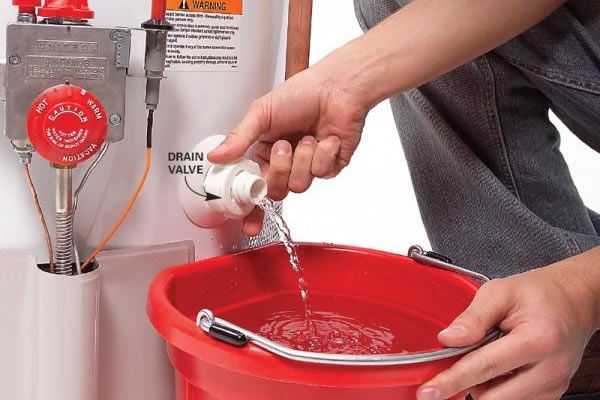
Indeed, many homeowners can flush a tank unit with the use of a hose and the drain valve. Follow the manufacturer’s guide and turn off power or gas first. Buy a pro if unsure or for tankless descaling.
Will flushing fix a noisy water heater?
Yes. Flushing frequently gets rid of pop or rumble from sediment heating and steam pockets. If you hear continuing noise, it could be indicative of other problems. Have a technician check it out.
Does flushing improve water quality?
Flushing minimizes sediment and rust particles that impact water taste and appearance. It does not eliminate dissolved contaminants, so for chemical or biological problems, use a filtration system.
What happens if I never flush my water heater?
Sediment accumulates, making it less efficient and prone to overheating, leaks, and premature failure. You might be looking at increased energy bills and premature replacement.
Is flushing safe for all types of water heaters?
Flushing is safe on most tank heaters and is advantageous for tankless units when performed as descaling. Be sure to heed the manufacturer’s directions and safety measures to prevent harm or damage.