

Key Takeaways
- Furnace short cycling refers to when your system constantly turns on and off too quickly and doesn’t allow your home to reach the thermostat setpoint. This results in inconsistent heating and stresses internal components like the blower motor, heat exchanger, flame sensor, control board, and limit switch.
- Cold mornings are hard on your furnace. They amplify its workload and expose latent problems like clogged filters, closed air vents, condensate or flue blockages, and thermostat misreads. So remember to check your filters and vents before the hard-down demand begins.
- Check airflow first. Inspect filters, supply and return grilles, and ducts. Act on a routine checklist to clean or replace filters and eliminate obstructions to minimize overheating-triggered shutdowns.
- Test and maintain sensors and safety devices. Clean flame sensors, verify thermostat calibration and placement, and have a technician test limit switches and pressure/inducer systems to avoid false shutdowns and carbon monoxide hazards.
- Be alert to installation or sizing issues and local climate stresses such as temperature inversions and high humidity that exacerbate short cycling. Check duct sizing, return air availability, and condensate drainage when problems persist.
- Record cycling patterns, note startup behavior, and call an HVAC pro if you hear strange noises, see heat exchanger damage, flue blockages, or trips to prevent repairs that are unsafe and expensive.
Furnace short cycling on cold mornings in Lodi is when a heating unit turns on and off in short bursts instead of running a full cycle. This increases energy consumption, leads to higher bills, and causes fluctuating indoor temperatures. Typical reasons are dirty filters, thermostat placement, or oversized equipment. Local winters and old houses only exacerbate the problem. The below sections cover diagnosis, quick fixes, and when to call a licensed HVAC technician.
Understanding Short Cycling
Furnace short cycling occurs when your unit powers on and off too fast to finish the heating cycle. It manifests as multiple runs that only run for 5 to 10 minutes before the furnace turns off again. A normal, healthy furnace cycle is around 10 to 15 minutes. When you hear it cut off after seven or eight minutes or less, that is short cycling for certain.
Short cycling prevents the furnace from ever reaching the thermostat setpoint, so rooms warm inconsistently and the system never completes a full run. The thermostat demands heat, the furnace kicks in and heats for a short time, then shuts off before the home reaches the set temperature. After a brief pause, the thermostat summons one more time, and the furnace fires up and so on. That stop-start pattern decreases comfort and wastes fuel because ignition and warm-up consume more fuel than a consistent run.
Repeated short cycling stresses multiple components of the system. Affected components include:
- Ignition system and hot surface ignitor, which wear faster from frequent starts.
- Blower motor and relay, due to rapid on/off switching.
- Heat exchanger, which can suffer from uneven thermal expansion.
- Gas valve and control board, subject to additional cycles.
- Air filters and ductwork, with clogged filters compounding the cycle.
One of the most common causes of short cycling is limited airflow, and a clogged air filter is usually the prime offender. When airflow is limited, the furnace overheats the air in the plenum too rapidly and the high-limit switch trips to shut the burner down. Once the unit cools down a bit, the limit resets and the cycle repeats. Replacing the air filter every 1–3 months helps to preempt this and lets the furnace operate at peak efficiency. Homeowners can usually tell by ear if their furnace runs for a few minutes, then shuts down and repeats.
Other causes encompass an improperly sized furnace for the home. If a unit has short-cycled since installation, oversizing could be to blame. Control board faults, thermostat placement or wiring errors, and blocked vents can produce the same pattern. Single-stage and two-stage furnaces are more likely to exhibit the behavior of short cycling than modulating, variable-speed units, which run longer on lower speeds and hide short cycling symptoms.
Basic troubleshooting begins with swapping out the filter and inspecting vents. For the stubborn stuff, you need a certified pro to diagnose if it is sizing, controls, or safety switches and to repair components safely.
Cold Morning Triggers
Cold mornings put more strain on furnaces and make short cycling more obvious. When the outdoor temperature drops, the furnace cycles more to maintain indoor setpoints. That increased duty cycle increases the likelihood of parts overheating or safety switches tripping, causing quick on-off-on-off cycles. These short cycles are particularly apparent when a room transitions from ‘furnace just ran’ to ‘room feels cold again’ in just a few minutes. Even though they’re the coldest mornings, these are when symptoms are most severe. Multiple short cycles can indicate anything from a dirty filter to a cracked heat exchanger or oversized unit.
1. Airflow Blockage
Clogged air filters and blocked return grilles block airflow and force the furnace to work overtime. Insufficient airflow overheats the heat exchanger, and that trips the high-limit switch and prematurely shuts off the burner. Check all supply and return vents for furniture, curtains, or debris that can obstruct flow. Create a simple checklist: check filter monthly, clean grilles quarterly, clear visible duct obstructions, and note airflow changes. Frequent checking minimizes restricted airflow short cycling and increases component life.
2. Sensor Failure
Cold Morning Triggers – Malfunctioning or dirty flame sensors are a common reason for quick on-off cycling, particularly on cold mornings. A bad sensor doesn’t sense a stable flame and orders the control board to shut the gas valve promptly. That gives rise to the on-off-on-off pattern observed during the coldest morning starts. Clean the flame sensor as part of regular service with fine emery cloth or manufacturer steps. This frequently ends false shutdowns. Wiring faults or damaged sensor circuits may disrupt cycles and require electrical diagnostics.
3. Heat Exchange
A cracked heat exchanger can cause these safety devices to activate and short cycle to keep the furnace from running dangerously. Cracks can allow combustion gases or carbon monoxide to escape into the living space, so early detection is important. Look for strange odors, soot, or visible cracks. With an adequately sized and operational heat exchanger, the furnace should be able to complete full heating cycles without overheating or shutting down prematurely. Persisting short cycles could signal significant inner injury necessitating expert evaluation.
4. Flue Obstruction
Blocked flues impede combustion gases from escaping and induce safety shutoffs that cause cycling. Birds’ nests, leaves, snow, or ice can clog vent pipes. Flue termination requires visually inspecting and clearing debris before running the furnace on cold mornings. Check that the inducer motor and pressure switches function properly, as a bad component here can simulate flue block symptoms and cause cycling.
5. Thermostat Drift
A badly positioned or defective thermostat can misinterpret ambient temperature and induce short cycles. Don’t put the thermostat near drafts, direct sunlight or appliance heat. Calibration, batteries, and wiring? Swap out aged units or add a programmable model to cut back on phantom heat calls.
Local Climate Stress
Lodi’s combination of cool, moist mornings and warm afternoons stresses household furnaces in ways that are unique when compared to more consistent climates. Quick temperature swings make systems cycle more. That adds wear, drives up energy consumption, and heightens the likelihood of mid-winter breakdowns. Local climate can stress weak points—blocked vents, undersized units, stuck dampers, or dirty filters—so regular inspections prior to seasonal shifts are mandatory.
Valley Humidity
High valley humidity can sometimes manifest itself as water around the furnace. Condensate that forms in the drain pan and lines can then pool or freeze due to temperature swings. Clogged condensate drains are common in humid regions and will cause water to back up into the furnace cabinet, potentially tripping safety switches and creating short cycling.
Moist air accelerates corrosion of heat exchanger components and burner assemblies. Even a tiny amount of rust or mineral scale can interfere with sensor data or short out electrical equipment. That can look like short cycling: the system starts, then an internal fault stops operation until a reset or technician visit.
Inspect the condensate drain and pan weekly during humid stretches. Check for slow drains, stains or leaks near fixtures. Easy solutions are unclogging the trap, running a mild bleach solution down the drain or replacing a cracked pan. If humidity is persistent, install a whole-house dehumidifier or enhance perimeter drainage to keep excess ambient moisture from flooding the furnace room.
Morning Inversion
Morning temperature inversions hold cool, damp air near the ground with warmer air above. That cold layer pushes furnaces to run longer at start-up to reach setpoint. The repeated demand stresses components and raises cycle frequency. Such long run times can even overheat older or undersized units, tripping safety limits and appearing as short cycling.
Inversions make the home envelope less predictable. Internal temperature sensors may read one room while the furnace reacts to another. Pay attention to furnace behavior during inversion events. Look for repeated starts, short warm bursts, or abnormal blower noise. Modify thermostat setbacks. Smaller or pre-heat schedule setbacks reduce sudden load swings. Think about scheduling extended but infrequent heat cycles as opposed to brief regular ones to minimize mechanical strain.
Proper maintenance, sizing, filter changes, and condensate and airflow attention will reduce climate-driven short cycling and extend equipment life.
Architectural Installation Factors
Architectural installation has an impact on how a furnace copes with cold mornings. Oversizing, poor duct layout, and improper placement can confuse airflow and heat delivery. If any factor is off, you can have short cycling, uneven running, or overheating. Check furnace capacity, ductwork, venting, returns, and thermostat location when diagnosing short cycling.
Furnace size, installation factors, and likelihood of short cycling
| Furnace size relative to load | Installation factors | Likelihood of short cycling | Notes and examples |
|---|---|---|---|
| Oversized (≥25% too large) | Short duct runs, poor zoning, large heat output | High | Oversized unit heats space very fast and shuts off before full cycle; e.g., a 30 kW unit installed for a 20 kW load. |
| Slightly oversized (10–25% too large) | Minor duct imbalance, under‑sized returns | Moderate | May short cycle in coldest hours or if thermostat placement causes early shutoff. |
| Properly sized (±10% of calculated load) | Correct duct sizing, balanced returns, good vent location | Low | Properly sized furnace reduces short cycling and keeps cycles close to 15 minutes on mild increase. |
| Undersized (≥10% too small) | Restricted airflow, underperforming heat output | Variable | May run long but not short cycle; can still short cycle if overheating occurs from poor airflow. |
Duct sizing and layout should correspond with the furnace’s airflow rate in cubic metres per hour. Undersized ducts increase static pressure and create uneven room supply. Long, convoluted runs or numerous sharp bends cause the flow to end zones to be diminished and force the furnace to cycle on and off. Even supply and return paths ensure stable combustion and temperature sensing.
Return grilles need to be properly sized and located to pull air evenly from living areas. If returns are too few or obstructed by furniture, drapes, or shut doors, the furnace can overheat from suffocated airflow. Overheating trips safety limits and shuts the unit down mid-cycle, creating those rapid on/off cycles. For example, a basement furnace with one small return grille and many closed bedroom doors will show frequent short cycles when outside temperature drops.
Thermostat location and wiring issues. A thermostat located near a register, draft, or in direct sunlight can cause the heater to be requested in error, causing short cycling. A malfunctioning thermostat or loose sensor can incorrectly read room temperature and lead to frequent switching. Flame sensors and safety switches should be clean and properly installed. A failing flame sensor can shut the burner down too soon and cause the system to start and stop repeatedly.
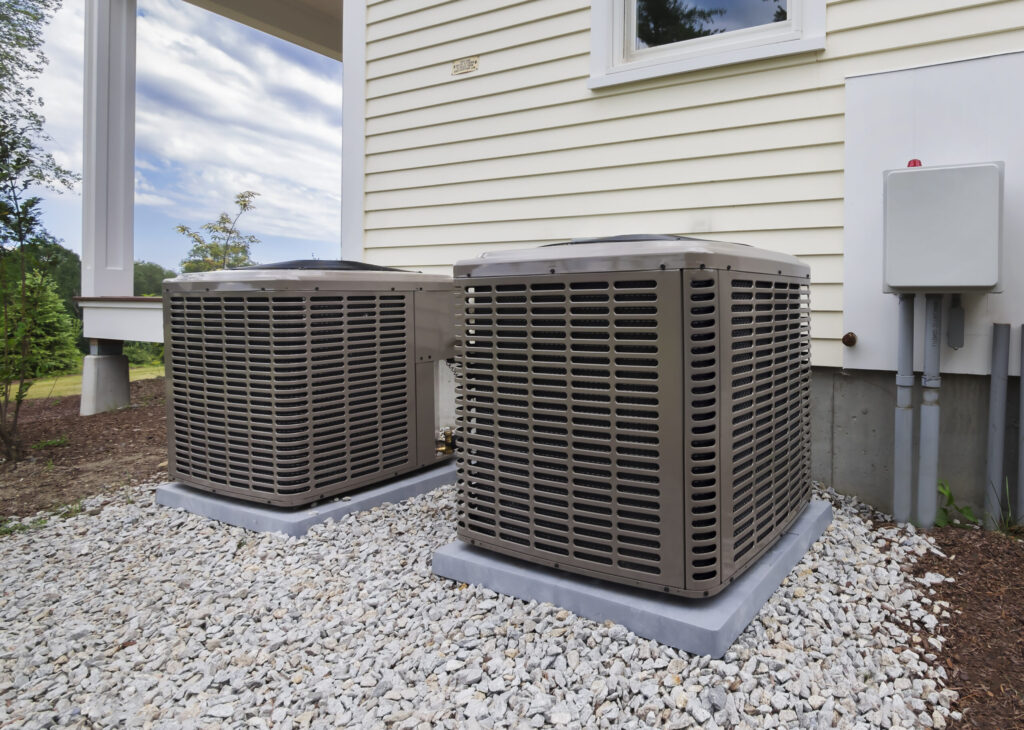
When short cycling persists, review the whole installation: confirm heat-loss calculations, verify the furnace output matches the load, inspect duct diameters and routing, check return locations, and test thermostat and flame sensor operation. Measure cycle frequency. A healthy system usually cycles 5 to 8 times per hour, about 15 minutes per cycle when it raises temperature slightly, and compare to observed behavior to identify causes.
Diagnostic Steps
Begin with a quick summary of what to expect when diagnosing short cycling: a furnace cycle normally runs at least 7 minutes, with healthy cycles typically 10 to 15 minutes or longer. Short cycling refers to repeated on/off runs significantly below those times. As a diagnostic by airflow, controls, then safety devices and components including tests and careful note-taking to identify patterns.
Step-by-step checklist: air filter, vents, thermostat
Check the air filter every month. Pull it out and hold it up to the light. If that light doesn’t penetrate or it looks heavy, exchange it. TIP: Homeowners should always replace filters every 30 to 90 days depending on filter type and pets. For reusable filters, clean as directed by the manufacturer. Check vents and returns for obstructions. Closed vents, furniture, or curtains can limit airflow and trigger short cycles. If you have return-air grilles, measure their surface area and compare it to your supply vents. Large imbalances are suggestive of airflow restriction. Check thermostat settings and location. Make sure it’s set to heat, on a reasonable differential, and not situated in direct sun, near drafts, or heat sources. If applicable, swap batteries and ensure the fan is set on “auto,” not “on,” which can camouflage cycle length.
Observe startup sequence and note abnormal noises or shutdown patterns
Observe the furnace from call for heat to shutdown. Record minutes from thermostat call to ignition, flame established, blower on, and blower off. A complete healthy startup to shutdown should extend past 7 minutes. Flag any runs under 7. Listen for unusual sounds: repeated ignition attempts, loud pops, rattles, or rapid cycling of the inducer motor. Observe if the furnace shuts down right after ignition or after a short run. The former indicates flame sensing or safety trips. The latter often indicates overheating or airflow limits.
Test safety features: limit switch and flame sensor
Find the limit switch and the flame sensor. Limit switch: check if the high-limit trips when the furnace runs. If the limit trips, it generally means poor airflow or a blocked heat exchanger. For flame sensors, visual cleaning with light abrasion can restore contact if there is buildup. If cleaning does not work, replacement is inexpensive and usually resolves post-ignition shutdowns. Test switches with a multimeter for continuity if it is safe to do so and you are qualified. If unsure, pause and have a technician perform live-circuit tests.
Document findings and track short cycling patterns
Record date, outdoor temperature, cycle times, noises, component observations and filter or thermostat changes. Trace if short cycling started after installation. If yes, it’s probably due to improper sizing. Pay attention to maintenance records. Yearly tune-up usually snags minor problems before they balloon. Take advantage of records to inform fixes and send to contractors to accelerate troubleshooting.
Expert Field Perspective
Short cycling on cold mornings is an HVAC call in Lodi. Technicians see the same patterns: furnaces that run a minute or two, shut off, then start again. That behavior is not a normal cycle, which should run in the 7 to 12 minute range depending on exterior temperature and on average many systems run 10 to 15 minutes. If a unit cycles in under five minutes, over and over again, it indicates restricted airflow, a safety shutdown, or an installation or control problem that requires immediate addressing.
HVAC techs frequently attribute short cycling to poor maintenance or faulty installation. Filters clogged with dust, blocked return vents, or dirty blower wheels inhibit airflow. Restricted airflow makes heat accumulate rapidly in the heat exchanger, which triggers internal safety limits and shuts the furnace down. Undersized furnaces or ductwork installed with a bad fit similarly adjust run times. An oversized furnace heats the space too quickly and cycles more frequently. For example, a new high-output furnace in a small house will reach setpoint in three minutes and shut off repeatedly, or a filter left unchanged for months can cut airflow enough to cause safety trips on cold mornings.
Routine maintenance minimizes these breakdowns. Yearly maintenance needs filter changes, cleaning of burners and heat exchangers, inspection of the blower motor and belt, and verification of proper venting. Yearly inspections catch leaking capacitors, weak gas valves or cracked heat exchangers before they cause recurring shutdowns. Catching small issues early saves parts and emergency calls on frigid mornings. Easy steps, such as replacing a filter every 3 months, de-venting your dryer, and annual service, can prevent short cycling before it begins.
Diagnosing short cycling frequently requires tools beyond a visual inspection. They use manometers to measure static pressure in ducts, multimeters to test electrical components, and airflow meters or thermometer probes to test temperature rise across the heat exchanger. Electrical testing can identify failing control boards or relays that lead to early shutoffs. Pressure readings indicate if return-side restrictions are present. For instance, locating a stuck limit switch by checking for continuity or validating an undersized duct by measuring static pressure and comparing it to manufacturer specifications.
Timely service guards against expensive repairs and ensures safety. Repeated short cycles put stress on blower motors and heat exchangers, increase energy consumption, and can prematurely wear out components. Repairing airflow, installation errors, or worn controls restores normal run times and cuts risk.
Conclusion
Short cycling on cold mornings in Lodi shouts at you about obvious culprits and obvious solutions. A weak thermostat signal, a clogged filter, a small or leaky duct run, or a furnace that stays too hot then shuts down all demonstrate short, cold bursts. Our local winters increase the urgency by making systems work harder and our homes lose heat more quickly. Field checks that read pressure, temperature rise, flame shape, and airflow detect the problem quickly.
Little hacks provide large returns. Change a filthy filter, seal a single loose joint, or reset the fan limit switch. For tight or repeated faults, have a licensed tech test gas flow, heat exchanger health, and proper sizing. If you like, create a to-do list for the next cold snap and schedule a pro now before you turn to ice.
Frequently Asked Questions
Why does my furnace short cycle on cold mornings in Lodi?
For example, short cycling on cold mornings generally means the system is overheating or fighting to keep up. Chilly outdoor temperatures boost the demand, exposing a dirty filter, blocked vents, or a failing thermostat or heat exchanger.
Can a dirty air filter cause short cycling?
Yes. A clogged filter restricts airflow, which causes the furnace to overheat and short cycle. Change your filters every one to three months to keep the airflow up and prevent cycling.
Could outdoor temperature swings in Lodi be the main cause?
Yes. Rapid temperature drops ramp up heating needs and tend to expose weak components. Older or undersized systems typically short cycle under sudden cold stress.
How do I check if my thermostat is causing the problem?
Put your thermostat down a few degrees and watch it cycle. If the furnace continues to short cycle, test with a second thermometer or spare thermostat. Improper calibration or placement can cause short cycling.
Is short cycling dangerous or just inefficient?
Short cycling wastes energy, increases utility costs and puts extra wear on parts. It can cause incomplete combustion problems with older furnaces, so get it taken care of promptly to steer clear of safety hazards and expensive repairs.
Should I worry about improper installation causing short cycling?
Yes. Inappropriate sizing, bad ductwork, or incorrect gas line sizing can be the cause of constant short cycling. A professional HVAC technician can check installation and suggest remedies.
When should I call a professional versus trying DIY fixes?
Change filters and inspect vents and thermostat placement yourself first. If problems persist, you smell gas, or the unit makes unusual noises, call a licensed HVAC technician. Expert diagnosis saves damage and ensures safe repairs.