

Key Takeaways
- Short cycling means the furnace turns on and off too frequently and often indicates airflow blockages, thermostat malfunctions, or failing parts that waste energy and decrease comfort.
- Check airflow first. Dirty filters, closed or blocked vents, and closed or blocked ducts and registers cause furnace overheating and limit switch trips.
- Check thermostat operation by increasing the temperature set point, changing batteries, and confirming wiring or location to prevent phantom signals that induce short cycling.
- Clean or replace the flame sensor, and get the limit switch, control board, and blower motor checked by a technician when DIY steps fail to restore normal operation.
- Monitor cycle frequency and trends, address repeated short cycling immediately, and book annual seasonal tune-ups to maximize system longevity and minimize repair expenses.
- For intermittent cycling, suspected gas leaks, overheating or carbon monoxide dangers, call a licensed HVAC professional right away for safe and proper repairs.
A furnace keeps turning on and off when its thermostat, airflow, or safety controls sense an issue. A typical reason is a dirty air filter, blocked vents, short cycling from an oversized unit, or a failing thermostat.
Electrical issues and overheating can cause short cycling. Once you know what’s causing it, you can map out the correct repair and save yourself the energy bill and wear.
The sections below describe checks and simple steps to troubleshoot each probable problem.
Common Causes
Short cycling is when a furnace cycles on and off, running in bursts that last just a few minutes. It interrupts consistent heat, boosts energy consumption, and may reduce equipment lifespan for both gas and electric furnaces. Here are some common causes, what they do, and their typical effects.
| Cause | Description | Typical effect |
|---|---|---|
| Dirty or clogged air filter | Dust and lint block airflow through the system | Reduced airflow, overheating, limit switch trips, short cycles |
| Blocked vents / ducts | Closed registers or obstructed ducts limit circulation | Cold spots, rapid shutdowns, uneven heating |
| Thermostat faults | Miscalibration, weak batteries, bad wiring, or smart‑thermostat errors | False calls for heat, erratic cycles, short cycling |
| Overheating | Furnace gets too hot due to restricted airflow or bad blower | Limit switch shuts burner off repeatedly; heat exchanger stress |
| Incorrect sizing | Oversized unit heats space too quickly then shuts off | Frequent on/off cycles, poor humidity control, increased bills |
| Faulty flame sensor | Sensor fails to detect flame, so safety shuts the burner | Burner starts then stops, repeated attempts to light, short cycles |
1. Airflow
Dirty air filters are the most common culprit behind a furnace that cycles on and off. A clogged filter restricts air supply and can cause the heat exchanger to overheat and trip the limit switch. Change your filters every 60 to 90 days to prevent this issue.
Homes with pets or excessive dust might need them changed more often. Dust bunnies, closed supply vents and blocked ducts are all common airflow offenders. Make sure all heat registers and return vents are open. Just one blocked return can diminish airflow and trigger early shutdowns.
Low airflow makes the furnace overwork. The blower can overheat or fail. Symptoms are warm rooms in the vicinity of the unit and cold rooms away from it. Common causes include clean ducts and keeping furniture away from vents to help maintain steady flow.
2. Thermostat
A faulty thermostat is a typical cause of short cycling. Miscalibrated units report incorrect room temperature and can tell the furnace to stop before the space is warm enough. Weak batteries in a programmable or smart thermostat can cause issues as well; replace them regularly.
Where you put that thermostat counts. If placed near a source of heat or in direct sunlight, it will register a higher temperature and switch the furnace off prematurely. Smart thermostats, Nest devices in particular, can have firmware or sensor glitches that trigger false commands to the HVAC system.
Make sure the set temperature corresponds with heating needs and check wiring and calibration during troubleshooting.
3. Overheating
Overheating activates the internal limit switch to safeguard the furnace. Limited airflow, filthy parts, or a bad blower motor typically cause the heat to build up. Frequent overheating will harm the heat exchanger and reduce system life.
Look out for sudden shutdowns and hot furnace cabinet surfaces as indicators. Fix airflow and blower function to minimize the risk of overheating.
4. Sizing
An oversized furnace heats the rooms too fast and then turns off quickly, leading to short cycles. This results in uneven temperature regulation and elevated energy bills even with numerous run cycles.
Have a pro do a load calculation to match furnace capacity to the home’s needs. Right sizing helps prevent premature wear and makes the shoes more comfortable.
5. Flame Sensor
If the flame sensor is dirty or corroded, it might not notice the burner flame, triggering safety shutdowns. Cleaning the sensor will usually restore reliable ignition. Replacement is required if the sensor is worn.
Have routine maintenance completed to keep the flame sensor and other ignition components clear of dust and debris. Short cycling can occur due to faulty sensors.
DIY Checks
Short cycling is usually caused by easy-to-fix problems you can check yourself before phoning in a tech. Like most things, regular maintenance staves off a host of issues, cuts down on wear, and lengthens furnace life. A complete furnace cycle ought to last a minimum of 7 minutes, with shorter cycles indicating low airflow, a malfunctioning thermostat, or something else wrong with the installation or sizing.
Work through the three checks below to isolate the probable cause and save on repair costs when you can.
Inspect Filter
Take out and check the air filter every month at the height of heating season. A clogged filter blocks airflow and causes your furnace to overheat and turn off early. Swapping out the air filter every 60 to 90 days prevents clogs and keeps air flowing.
DIY CHECK: Use the right filter size and type specified on your furnace or owner’s manual. The wrong fit lets air bypass and reduces efficiency.
DIY Checks: Mark a schedule on your calendar or set a phone reminder to check filters. This small habit makes your indoor air quality healthier and can reduce short cycling risk. If the furnace’s been short-cycling since it was installed, it might be too small, not the filters.
Clear Vents
Walk the house to verify all supply and return vents are open and unobstructed. Clogged vents and registers restrict system airflow and can cause the furnace to shut off prematurely. Keep furniture, drapes, or rugs away from vent openings and vacuum dust off vent covers.
Clean vent grilles with a damp cloth and soft brush to remove buildup that limits flow. Steps to ensure vents are clear:
- Do-It-Yourself Checks Look in every room for closed or partially closed supply vents.
- Check return grills for dust, pet hair, or storage items.
- Take off and wash vent covers if they are particularly grimy.
- DIY Checks: Run the furnace and check whether you feel consistent air flow at every vent. Low pressure indicates a more serious air leak.
- Rebalance dampers if some rooms are significantly hotter or colder than others.
Test Thermostat
Turn your thermostat up a few degrees above room temperature and observe if the furnace finishes a normal cycle of at least 7 minutes.
DIY Checks — Replace batteries or reset the thermostat if it fails to signal the furnace to run. DIY Checks – Inspect thermostat wiring for loose or damaged connections that could disrupt the heating cycle.
Turn off power before checking wires. Think about upgrading to a programmable or smart thermostat for more control and less short cycling, particularly if you have a single- or two-stage furnace where cycling is more obvious.
Modulating, variable-speed systems run longer at lower, quieter speeds. Yearly care can catch wiring or control problems before they lead to recurrent breakdowns.
Professional Diagnosis
A professional diagnosis determines why a furnace runs hot and cold and distinguishes easy repairs from more profound system malfunctions. Get a professional HVAC technician to diagnose the entire heating system and identify the true culprit, whether it is a dirty filter, malfunctioning sensor, an improperly sized unit, or an electrical issue.
Short cycling can be a symptom of a much bigger problem, and fast, comprehensive diagnosis minimizes the chance of subsequent malfunctions and more expensive repairs down the line.
Limit Switch
Have the limit switch checked. It is the safety device that stops the burner when heat gets too high. A stuck or failing limit switch frequently causes the unit to shut down early, resulting in short cycles that strain the system.
Fix a broken limit switch to prevent the cycle from running too long and overheating.
| Function | Symptoms of Failure | Maintenance & Action |
|---|---|---|
| Detects excess heat and opens to stop burner | Furnace turns off soon after starting; repeated on/off cycles | Inspect for dirt, wiring faults; replace if contacts are burned |
| Protects heat exchanger from overheating | Reduced comfort and uneven heat distribution | Include switch check in regular maintenance, clean nearby components |
| Signals control board when safe to restart | Error codes or lockouts on control board | Test with multimeter; verify mounting and air flow around switch |
Limit switch inspection during service catches early wear and verifies the switch triggers at the right temperature.
Control Board
Request that they inspect the control board for error codes, loose connections, or burned components. The control board directs signals between the thermostat, gas valve, ignitor, and blower.
Malfunctions at this juncture can result in unpredictable cycling or no cycling at all. Swap out a defective control board when diagnostics indicate stubborn errors beyond repair.
Control board problems let communication between parts break down, making the furnace start then stop. Just keep the board clean and dry to minimize corrosion.
Technicians should tighten connectors and check voltages while they’re doing the diagnosis. A clean read on error codes can help you determine if repair or replacement makes sense.
Blower Motor
Test the blower motor for correct speed and smooth operation. Weak airflow can cause limit cutouts and short cycling. Feeble or sluggish fans let heat accumulate, activate the limit switch, and initiate a fresh cycle upon cooling.
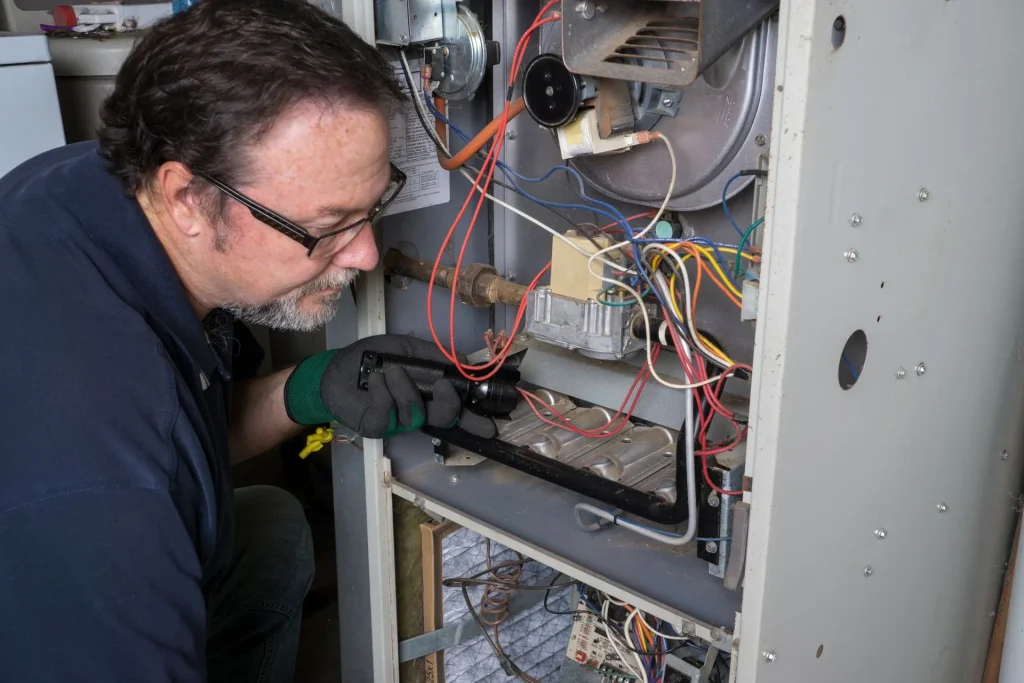
Lubricate bearings if serviceable or replace the motor if worn, overheated, or if there is an electrical fault.
Listen for grinding, squeal, or rattling noise that indicates bearing or belt issues. Check your blower fan to make sure it runs smoothly and maintains an even heat distribution.
Best pro tip — techs should check current draw and airflow to verify the motor is up to specs.
The System Conversation
Lots of cycling is the furnace’s SOS that something’s amiss. A typical furnace cycle lasts at least 7 minutes or so. If your unit turns on and off in only a few minutes, that’s short cycling and generally signals an underlying issue as opposed to normal operation. Prior to diagnosing, observe patterns.
Check if shutdowns are immediate, if certain rooms remain cold while others are heated, or if the furnace displays error codes or sounds abnormal.
What It’s Telling You
Short cycling usually indicates an airflow issue, a thermostat issue or a failed component. Low airflow prevents the heat exchanger from dumping its heat efficiently, and the furnace will shut down to protect itself. A clogged air filter is the most common and easiest cause of low airflow, and filters changed quarterly, roughly every 60 to 90 days, minimize the risk of this occurring.
In some houses, a clogged return grille, shut vents or grimy blower wheels accomplish the same feat. Constant cycling can point to thermostat issues: a poorly located thermostat reads room temperature inaccurately, or a loose sensor and bad wiring send the wrong signals.
One- and two-stage furnaces exhibit on-off cycling more obviously because they operate at fixed outputs. A mod variable-speed furnace often runs longer at lower speed and masks short-cycle symptoms, so behavior varies by system type.
If your furnace has been short-cycling since it was installed, it’s probably due to improper sizing. An oversized furnace warms up too fast and shuts down before finishing a safe cycle. This creates wear and bad humidity. Jot down cycle frequencies and lengths, and any error codes from the control board.
These help expedite diagnosis. For instance, five start-stops within ten minutes and an error code for high limit trips is a distinct remedy compared to one short run with no codes. Respond fast to abnormal activity. Short repeated cycles stress components, cause more wear, and make it less efficient.
Annual maintenance snags minor problems like worn belts, loose connections, or dirty burners before they cause cycling or failure. Record when cycling began, what you noticed, filter replacements, and any maintenance. Techs use this timeline to isolate causes more quickly.
Ignoring The Signs
Neglecting short cycling invites both catastrophic dangers and expenses. Little air flow problems turn into blown heat exchangers or failed motors if left too long. Neglected issues can contribute to safety risks like combustion inefficiency or infrequently leaks when venting is compromised.
Energy consumption escalates as the system continually restarts and rooms can be uncomfortably overheated. Timely attention extends system life, boosts comfort, and manages expenses.
Preventative Care
Preventative care decreases the likelihood your furnace will short cycle and catch minor faults before they escalate to major failures. Following are commonsense tips and concrete actions to maintain the system in steady operation, reduce energy consumption, and increase equipment longevity.
- Schedule regular furnace maintenance with a qualified technician and follow these steps:
- Schedule an annual tune-up, preferably prior to heating season, to check controls, gas pressure, and safety devices. Technicians will calibrate your thermostat, inspect burner operation, and test the heat exchanger for cracks.
- Request a mid-season inspection if your system works overtime. A brief visit can detect airflow or combustion issues in their early stages.
- Maintain a log of service dates, parts replaced, and test results so you can identify recurring issues such as rapid cycling after certain repairs.
- Select a licensed HVAC service provider that relies on metric measurements for diagnostics when available so service records are standardized for overseas readers or when comparing unit specs.
- Bargain for a basic service plan that includes filter checks and blower lubrication to cut down on surprise repairs.
Clean and inspect essentials like your flame sensor, air filter, and blower motor. The flame sensor typically gets soot buildup and will shut the burner off early. A quick gentle cleaning with fine emery cloth can return trustworthy sensing.
Change or clean your air filter every 60 to 90 days. A clogged filter is a leading culprit of short cycling because it limits airflow and causes the furnace to overheat. Check the blower motor and wheel for dust and debris. Clogged blower wheels can cause reduced airflow that resembles thermostat or control failures.
Check the condensate drain and pressure switches where applicable because blockages can cause false safety trips. Follow a seasonal tune-up schedule so you catch problems before they lead to short cycling.
Spring and autumn tune-ups are effective: spring for combustion and exhaust checks, autumn for airflow and thermostat calibration. At every tune-up, check that duct connections and registers are open and unobstructed. Make sure supply and return grilles aren’t covered by furniture, curtains, or other items.
Adequate flow through the ductwork ensures that your furnace does not overheat and keeps it running full cycles. Preventative care keeps your furnace running smoothly for consistent heat, reduced fuel bills, and extended life.
Homeowners should rule out airflow restrictions prior to assuming electrical or control failures. Short cycling is a warning sign of a bigger issue. Neglect it and more severe damage can occur.
Address the source—filters, airflow, sensors, controls—instead of camouflaging symptoms by constantly fiddling with your thermostat.
When To Call
Short cycling can be innocuous when it’s a result of a dirty filter or a momentary thermostat glitch. Other symptoms indicate it’s time to throw up your hands and call in an HVAC pro. If the furnace shuts off unexpectedly and won’t stay running, that behavior typically indicates a fault requiring a trained eye.
If your furnace is constantly cycling on and off, then it could be an issue with the flame sensor, limit switch, heat exchanger, or gas valve. All of these require diagnostic tools and safe procedures that no homeowner should attempt. If the unit runs only a few seconds to a minute with the covers on, runs longer with the covers off, that’s your indicator of poor airflow, improper venting, or an installation issue.
That same pattern brings up safety questions of overheating or blocked vents and ought to initiate a service call. Replaceable items like the air filter are simple to check first. If swapping the filter doesn’t fix the issue, step up to a technician for a deeper examination. Continuous cycling following these elementary steps—filter replacement, thermostat inspection, and circuit breaker reset—typically indicates the internal components require inspection and repair.
Frequent shutdowns, low heat, or strange noises are your red flags to call the pro. Rattling, humming, or loud clicking can indicate loose blower parts, failing capacitors, or ignition problems. Lukewarm heat even with the blower going points to a bad burner, fuel line, or heat exchanger.
These situations can deteriorate rapidly and damage performance, so schedule repair instead of continuing to run the unit. Call immediately if you suspect overheating or smell gas or carbon monoxide. Gas appliance faults and carbon monoxide risks are serious and require immediate action.
Shut off the appliance if safe, ventilate the space, leave the building if necessary, and call emergency services or a qualified HVAC technician. Don’t attempt to diagnose gas leaks without the proper tools and training. If you’re a homeowner that’s not comfortable with DIY troubleshooting, call a professional instead of risking unsafe repairs.
If you’ve got a furnace under a year old exhibiting these symptoms, it deserves a professional examination to figure out if it was installed incorrectly or has a manufacturer defect or repair covered under warranty. When quick fixes don’t work and your unit keeps short cycling, booking an expert HVAC team, such as Coolray, Anne, or Brennan, can deliver trustworthy diagnosis, safety checks, and documented repair to get things running right.
Conclusion
A furnace that keeps turning on and off wastes energy, drives up your bills, and reduces comfort. More commonly, a dirty filter, a miscalibrated thermostat, or a faulty blower creates the issue. Simple checks can rule out the easy fixes: swap the filter, check vents, set the fan to auto, and tighten loose wiring. If the unit still cycles, have a pro check the limit switches, gas valve, and control board. Seasonal tune-ups and a filter plan reduce dangers and maintain the system steady.
Example: Swapping a clogged filter and clearing a blocked return vent fixed short cycles in under 30 minutes for many homes. Book a service if the furnace trips a breaker, makes loud noises, or cycles every few minutes. Have it checked soon to save money and keep warm.
Frequently Asked Questions
Why does my furnace short-cycle (turn on and off quickly)?
Short cycling usually indicates the furnace is overheating or the thermostat or air flow is malfunctioning. This wastes energy and stresses components. Inspect filters, vents, and thermostat configurations. If easy fixes don’t work, call a professional to stop damaging your system.
Can a dirty air filter make my furnace keep turning on and off?
Yes. A clogged filter limits airflow, resulting in the furnace repeatedly overheating and shutting down. Change the filter every 1 to 3 months or as recommended by the manufacturer to get your airflow back and end short cycling.
Could my thermostat be the reason for frequent cycling?
Yes. A miscalibrated, poorly placed, or failing thermostat can cause rapid cycling. Ensure it is not near a draft or heat source, replace batteries, and get it recalibrated or replaced if necessary.
Does an oversized furnace cause on/off cycling?
Yes. An oversized furnace warms too quickly and shuts off before completing proper cycles. This compromises comfort and efficiency. A pro can evaluate sizing and suggest zoning or a new unit for example.
Are blocked vents or duct problems responsible for cycling?
They can. Blocked vents or badly sized ductwork create uneven airflow and overheating. Look at vents and registers and get an HVAC pro to examine ducts for blockages, leaks, or balance problems.
When should I call a professional about frequent cycling?
Phone a pro. Call a licensed HVAC technician if these basic checks (filter, vents, thermostat) don’t fix it, or you smell gas, hear unusual noises, or see error codes. Pro diagnosis saves you from expensive breakdowns and safety hazards.
Is frequent cycling bad for my furnace and energy bills?
Yes. Short cycling causes extra wear, reduces life, and increases energy bills. Fixing root causes improves comfort, lowers bills, and protects your system.