

Key Takeaways
- NEM 3.0 reduces export compensation and adds more aggressive TOU pricing, so maximize onsite use of solar generation and schedule heat pumps during low-rate daytime to minimize bills.
- Maximize self-consumption with midday heat pump runs, pre-cooling, heat pump water heaters, and smart thermostats to offset reduced export values and improve payback.
- Systems integrated – be sure to check inverter and control compatibility, add monitoring, and perhaps include battery storage sized to cover evening heating and cooling.
- Size systems correctly for Central Valley conditions, selecting variable-speed heat pumps that conquer blistering summer heat and mild winters. Never oversize, keeping systems efficient and costs low.
- Consider all the economic effects. Upfront capital, applicable federal and local rebates, and longer-term operating savings under NEM 3.0 decrease upfront cost with financing options and combined installs.
- Installation hurdles Prepare for installation hurdles by evaluating electrical panel capacity, ductwork condition, permitting needs, and hiring installers with experience in both solar and heat pump integration. Then, schedule periodic reviews to adapt to changing TOU rates.
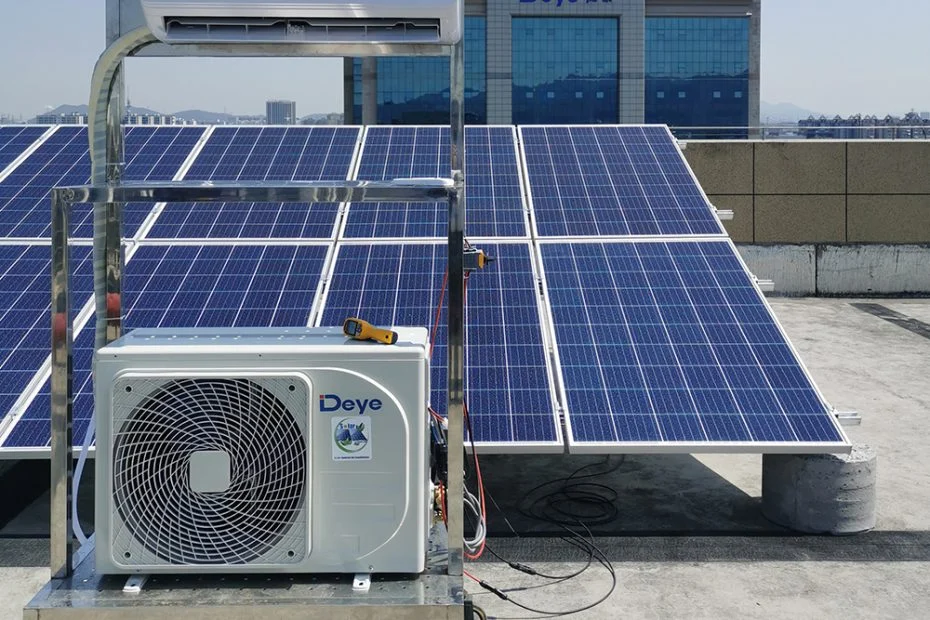
Heat pump with solar under NEM 3.0 in the central valley is a paired system that leverages rooftop PV to offset electric space heat and cooling. It pairs an efficient heat pump with NEM 3.0 limits on export credits and billing. Homeowners encounter trade-offs in system size, battery choices, and payback period. The meat goes over expenses, design decisions, and actionable advice for local installations.
Rate Shifts
NEM 3.0 changes the value of exported solar energy and the price signals customers observe throughout the day. That impacts Central Valley households with heat pumps by shifting both export compensation and when cheap electricity is available. This will make operational timing and system design more critical.
Export Values
NEM 3.0 cuts export payments compared to previous net metering. Instead of crediting exports at close to retail rates, many utilities now compensate exported kilowatt-hours at lower, market-based values. That drop in export value makes exporting power back to the grid less lucrative and tilts the economic argument in favor of using solar on-site.
Lower export payments equal real dollars lost if a system frequently exports during peak-production midday hours. Using more solar onsite, such as operating a heat pump when panels generate, captures the full retail value of that power, an immediate financial benefit relative to low export credits. Export-reliant households will experience attenuated paybacks and reduced bill offsets.
| Time of Day | Approx. Export Rate (¢/kWh) | Typical Solar Production |
|---|---|---|
| Midday (10:00–14:00) | 2–4 | High |
| Shoulder (08:00–10:00, 14:00–18:00) | 1–3 | Moderate |
| Evening (18:00–22:00) | 0.5–2 | Low |
Self-consume wherever possible. Store surpluses in batteries, shift loads, or run flexible loads while panels generate. That limits exposure to low export rates and enhances overall system economics under NEM 3.0.
Self-Consumption Needs
Heat pumps ought to operate more during daytime when the solar output spikes. Shift rate loads, like preheating or precooling water and space, to the middle of the day to leverage free solar or avoid pulling from the grid during peak-price windows. This is especially true when TOU pricing and peaking charges cause wide rate shifts.
Rate shifts, programmable thermostats and simple control logic allow households to automate that shift. Configure heat or cool cycles to prioritize solar hours, apply setback early or late in the day, and pair with a small battery to even out intermittent gaps. Intelligent scheduling can reduce peak usage and prevent demand spikes that increase bills.
Rate shifts boost self-consumption and reduce payback periods. Households that ignore rate shifts pay higher bills and experience slower solar and heat pump returns. Knowing TOU windows, peak demand rules, and when utilities apply lower export values is key to planning and day-to-day control.
System Integration
System integration determines how a heat pump, solar PV, controls, and storage function as a unit. This short context explains why careful pairing matters: heat pumps use electricity to move heat, offering both heating and cooling with a coefficient of performance that can greatly exceed resistive heating. Solar can provide cheap midday electricity. Batteries and controls fill timing gaps. Good design minimizes grid draw, trims bills, and maintains consistent comfort for the season and building.
1. Thermal Pre-Cooling
Pre-cooling uses midday solar energy to cool indoor spaces, reducing heat pump demand during late afternoon and evening peaks. Plan short, aggressive cooling runs when PV generation is greatest. This reduces the home thermal load and defrays TOU fees. Pre-cooling is more effective in well-insulated homes and with thermal mass, but it still benefits lighter constructions. Smart thermostats, for example, can initiate pre-cool cycles automatically based on solar forecast and current PV power, nudging energy use away from expensive grid hours.
2. Smart Controls
Smart controls integrate PV, heat pump, battery and price signals for increased efficiency. Search for capabilities like weather prediction, load forecasting and dynamic setpoint adjustment to capitalize on sunny windows. Common brands include Enphase, SolarEdge, and Tesla Gateway for inverter integration, and Nest, Ecobee, or Honeywell for thermostats. Many systems communicate through open standards such as Modbus or OpenADR. Automation can increase self-consumption and respond to TOU pricing by delaying or advancing heating or cooling to when solar is available or tariffs are low.
3. Battery Storage
Battery storage holds surplus solar for evening heating and cooling, ironing out the misalignment between peak midday generation and night demand. Capacity choices change self-consumption: small batteries raise daytime usage modestly, and larger packs cover full evening loads but cost more. Size batteries to typical evening hours based on observed consumption and model a few days of use to discover a stable goal. Batteries provide backup power in outages, keeping heat pumps and critical loads running when the grid is down.
4. Water Heating
Heat pump water heaters introduce an additional flexible load that syncs neatly with midday solar. Schedule water heater cycles to run during PV peak production to absorb excess generation. Heat pump water heaters are significantly more efficient than electric resistive tanks, typically producing two to four times as much energy output per input. By integrating water heating, you can increase solar self-consumption and see tangible cost savings on household energy bills.
5. Capacity Sizing
Smart sizing keeps you from underperforming or squandering. It bases its calculations on local climate, building envelope, occupancy patterns, and loads from appliances. Don’t oversize PV or heat pumps. Oversized PV means curtailment. Oversized heat pumps cycle more and are less efficient. Give some example comparisons of system sizes and anticipated output to help steer decisions.
Regional Climate Performance
Central Valley weather influences the performance of a heat pump integrated with solar under NEM 3.0. It’s the high direct sun that makes solar productive. Similar peak sun hours across adjacent regions including the Inland Empire, High Desert and Coachella Valley average approximately 5.5 to 7.0 hours a day, so PV arrays can provide a substantial share of daytime cooling loads. Summers frequently flirt with 42°C (108°F), driving intense cooling loads and rewarding systems tuned to long stretches of high outdoor temperatures. Winter requirements are small but genuine, and system choice should represent both the extremes as well as local cost indicators like TOU spreads.
Extreme Heat Demands
Summer heat waves generate substantial, extended cooling loads that push a heat pump’s rated capacity. Select units with high-temperature performance ratings and solid refrigerant cycles so they can maintain capacity close to rated when outside air is above 40° C. Variable-speed compressors outperform single-stage units because they adjust output to demand, increase part-load efficiency, and minimize short cycles during peak sun hours when solar can offset power draw. Simple house-level steps cut peak cooling needs: external shading, reflective roof coating, and ceiling fans lower indoor setpoints without extra power. These regular summer tune-ups, including coil cleanings and refrigerant and airflow check-ups, keep seasonal capacity in top shape and help avoid breakdowns during heat waves.
Winter Heating Loads
Central Valley winters are mild. Those cold nights make guaranteed heat a necessity. Heat pumps with strong low-temperature performance maintain higher COP down to near-freezing, so seek out models tested across a broad temperature range. Regional Climate Performance Programmable thermostats and smart controls cut wasteful heating via setback schedules and by displacing some demand to daytime when solar generation is available under NEM 3.0. At locations with expensive electric rates or steep TOU spreads, dual-fuel systems pair a heat pump with gas backup to save on the coldest nights if local fuel prices and emissions priorities support that. Geothermal heat pumps deserve a look. Ground loops provide stable temperatures and durability, frequently over 50 years, and can get even more efficient by handling extreme summer cooling loads in alluvial soils. However, boring vertically in granite in the adjacent mountains increases expense.
Local climate trends, including solar irradiance, temperature swings, soil type, and water table, drive the choice and sizing of heat pump, PV array, battery, and any geothermal loop.
Economic Analysis
Installing a heat pump with solar under NEM 3.0 in the Central Valley means balancing upfront costs, incentives, and long-term operating economics to determine if the integrated system fits financial objectives.
Upfront Capital
Common upfront costs are equipment, site work and interconnection fees. Heat pump units vary by size and efficiency. Adding ductwork or distribution changes adds cost. Solar array costs are more nuanced based on panel type, inverter choice and mounting. Installation hardware includes smart controls, batteries if equipped and upgraded electrical panels.
| Component | Typical cost (EUR) | Notes |
|---|---|---|
| Heat pump (unit + install) | 4,000–10,000 | Air-source residential units; larger homes higher end |
| Solar PV system (per kW) | 800–1,400 per kW | Central Valley irradiance reduces required kW for same output |
| Inverter & balance | 600–2,000 | Battery-ready or hybrid inverters cost more |
| Electrical upgrades & permits | 500–3,000 | Panel upgrades, meter swaps under NEM 3.0 |
| Battery storage (optional) | 4,000 to 10,000 | Adds resilience and shifts economics significantly |
Financing includes secured and unsecured green loans, leases, and power purchase agreements. Loans amortize cost over 5 to 20 years. Leases or PPAs transfer ownership and can reduce incentive capture. Paired installs cut out redundant work, including double inspections, double permit fees, and double labor, and typically save 5 to 15 percent on combined install labor.
Available Rebates
There are federal, state, and utility incentives that are time-limited and conditional. Eligibility is often based on installer certification, system specifications, and household income in some programs. Applications are typically subject to pre-approval, post-installation inspection, and invoice submission.
- Federal: Tax credits for heat pumps and solar under current energy legislation. The percentage credit applies to equipment and labor qualified.
- State: State-level rebates or tax credits vary. Others provide greater benefits to low-income households.
- Utility: Local utilities in the Central Valley offer rebates, demand response programs, or reduced interconnection fees. Availability differs by service territory.
- Local: Municipal or county programs occasionally add one-time grants or streamlined permitting benefits.
Rebates reduce your actual cost and your payback period. They need careful deadline and paperwork tracking.
Payback Periods
Payback period equals net upfront cost divided by annual net savings. For integrated systems, estimate combined energy bill savings, export credits under NEM 3.0, and any additional maintenance or replacement expenses.
Standalone solar without battery under NEM 3.0 frequently results in longer payback because of reduced export credits. Heat pumps tip load into the day-side solar time, increasing self-consumption and reducing payback.
- Lower export rates under NEM 3.0 reduce income from surplus solar and affect returns.
- Increased self-consumption increases the value of solar and accelerates payback.
- Batteries add expense and guard against low export credits.
- Energy prices and peak demand charges can change over decades.
Go for the quickest economic return by right-sizing solar to day load, deploying smart controls and stacking incentives.
Installation Hurdles
Heat pump with solar installation under NEM 3.0 in the Central Valley presents some practical challenges. This section breaks down the core issues: site and home limits, regulatory and billing complexity, and the infrastructure work often needed before equipment goes in.
Electrical Panels
Older homes typically require electrical panel upgrades to support combined heat pump and solar loads. Installation Hurdles Older homes with 60 to 100 A panels might be inadequate when introducing a heat pump compressor and inverter. Look for tripping breakers, dimming lights, or frequent nuisance trips as warning signs the panel is undersized. Burn marks, warm breaker covers, or no available breaker slots are other warning signs. Talk to your licensed electrician sooner rather than later. They can load-test the panel, review meter compatibility for NEM 3.0 export metering, and recommend a 200 A or higher service if necessary.
Panel upgrades contribute expense and delay. Common upgrades range from a couple thousand up to more than EUR 4,000 to EUR 8,000 based on conductor work, meter change and permitting. Plan on weeks for scheduling and inspections, while in hot markets delays can last months. Installation Hurdles Budget for a potential meter socket change and a day of power shutdown, which disrupts the entire household routine and may require scheduling with other trades on-site.
Ductwork Limitations
Ductwork already installed tends to limit heat pump performance. Old duct systems can be undersized, leaky, or even poorly insulating, slashing efficiency and comfort. Get your ducts tested for leakage and static pressure before selecting a system. A duct survey needs to measure airflow, identify collapsed or disconnected runs in attics or crawlspaces, and check insulation levels. Tiny ducts or high leakage can either require a larger, less efficient heat pump or expensive duct resizing.
If the ducts in your home are simply too far gone or retrofit just isn’t practical, then ductless mini-splits are the next best option. Mini-splits sidestep the sheet-metal installation hurdles. Since they’re scalable, they can be installed one room at a time, minimizing disruption. Proper airflow balance is still important. Undersized indoor units or poor placement will cause short cycling and uneven temperatures. Schedule insulation and sealing upgrades where necessary and include these trades in the project timeline and budget.
Permit, billing and timing issues intersect with both subjects. Installation Hurdles NEM 3.0 rate complexity, variable export credits, and monthly billing needs impact system sizing and battery economics. Grandfathering deadlines under NEM 2 led many homeowners to procrastinate, and permitting plus EUR 9,000 to EUR 18,000 battery costs create new obstacles. Plan ahead months.
Strategic Recommendations
This section provides actionable advice that Central Valley homeowners can use to extract the maximum value from a heat pump and solar combo under NEM 3.0, with explicit trade-offs, cost numbers, and timing considerations.
Get the most savings from system design and timing. For most households, the highest impact lever is increasing onsite solar consumption during the daylight hours when feed-in tariffs are minimal. A solar-only system that shifts most production to immediate use still provides value, but anticipate approximately 50 percent of the lifetime savings versus adding storage. Install panels sized to match daytime heat pump load when able. Use high-efficiency heat pumps sized conservatively rather than oversized units, as lower draw and steady operation increase the percentage of production used on site and reduce short, inefficient cycles.
Focus on self-consumption and intelligent automation. Pair the heat pump controls with simple automation: time-of-use-aware thermostats, setpoints that pre-cool or pre-heat during high solar production, and load controls for water heating and EV charging. They increase self-consumption without manual intervention. Export credits under NEM 3.0 are hourly and exports during off-peak periods generally earn far less than peak. Automations that shift flexible loads into peak solar windows increase effective value per kilowatt-hour produced.
Think batteries where the economics and incentives intersect. Pairing a battery can really boost savings as it stores midday solar for use during peak, higher rate windows. New homeowners can benefit from rebates ranging from $1,500 to $10,000 (same currency). The battery adds approximately $10,000 to $20,000 to the cost of the system. Rebates are tiered and will decrease as uptake increases, so early adopters get the best rebate tiers. Plan for the diminishing rebate by running sensitivity scenarios: best-case rebate, mid-level rebate, and no rebate to see payback ranges.
Set extra system reviews and rate checks. Electricity rates and export credit schedules can vary, too. Studies have found that shifts in net metering policies significantly impact solar adoption and project economics. Audit the system yearly or when tariffs change. Monitor meter export rates, battery cycles, and heat pump hours to adjust setpoints and solar orientation, and optimize firmware updates for inverters and smart devices.
Strategically plan upgrades for long-term benefit. Consider panels, battery, heat pump, and controls as a single investment. When budget constraints necessitate staging, begin with panels scaled for your daytime load and a high-efficiency heat pump. Then add battery when rebates and prices align. Run straightforward cash flow models with probable rebate reductions and local rate projections prior to locking in the battery buy.
Conclusion
Central Valley can finally get reliable heat pump use with solar under NEM 3.0. Systems reduce grid buys during peak hours and lower summer and winter bills. A well-sized solar array and battery make it effective during cloudy days and rate spikes. Local installers who understand permit regulations and rebate processes accelerate the work and reduce unexpected expenses. For homes with high cooling loads, a split heat pump maintains comfort and reduces energy consumption. For tighter budgets, begin with a smaller battery or TOU plan and add capacity later.
If you want a definitive next step, get a site audit from a couple local installers and run a simple payback calculation for your meter and roof. That provides an actual cost and savings perspective.
Frequently Asked Questions
Can I run a heat pump solely on solar under NEM 3.0 in the Central Valley?
Yes. Well, you can run a heat pump somewhat primarily on solar if your PV and battery sizing support the load. NEM 3.0 export compensation changes, so size the system for on-site use and add storage to time-shift generation to heating hours.
How does NEM 3.0 affect cost savings for a heat pump + solar system?
NEM 3.0 and export rates lower the credit for exported power. Savings depend more on self-consumption and batteries, not exporting. There is a longer payback without storage or load management.
What system size should I choose for Central Valley climate heating and cooling?
Go for solar sized to cover annual heat pump energy and losses. For most homes, this is 5 to 12 kW PV, scaled by home size, insulation, and number of residents. Conduct energy modeling to get a more accurate sizing.
Do heat pumps perform well in the Central Valley climate?
Yes. Central Valley winters are mild and summers are scorching. Heat pumps are efficient all year round and offer heating and cooling. Ground-source or high-efficiency air-source models save even more.
Is adding battery storage necessary under NEM 3.0?
Not mandatory, but very desirable. Batteries boost self-consumption, minimize grid imports when rates are highest, and enhance economics under lower export credits. Think 5 to 15 kWh battery for typical homes.
What installation hurdles should I expect in the Central Valley?
Including permitting, interconnection paperwork, and possible grid upgrade costs. Time frame will differ by utility and municipality. Expect two to six months from permit to commissioning, longer if upgrades are required.
What steps improve economic returns for a solar + heat pump system now?
Focus on insulation and the right-sized heat pump. Throw in smart controls and a battery to maximize self-use. Consider incentives and time-of-use rates. Projected lifetime savings prior to finalization is two.