

Key Takeaways
- Before purchasing a home in Stockton, get a comprehensive HVAC inspection that prioritizes Stockton’s hot summers and winter moisture to ensure it can manage cooling load, resist corrosion, and regulate indoor humidity.
- Check critical elements such as the heat exchanger, ductwork, refrigerant levels, electrical connections, and airflow output to detect safety hazards and inefficiencies.
- Be on the lookout for red flags like advanced system age, poor maintenance records, visible rust or mold, code violations, and exposed wiring that could necessitate immediate repair or replacement.
- Employ a reputable inspector with state licensing and technical certifications to guarantee truthful, impartial results and local code expertise.
- Leverage written inspection report results to negotiate price reductions, seller-paid repairs or replacement credits. Include explicit HVAC contingencies in your purchase agreement.
- Consider efficiency upgrade opportunities and incentives to project long-term energy savings and include replacement or retrofit costs in your buying decision.
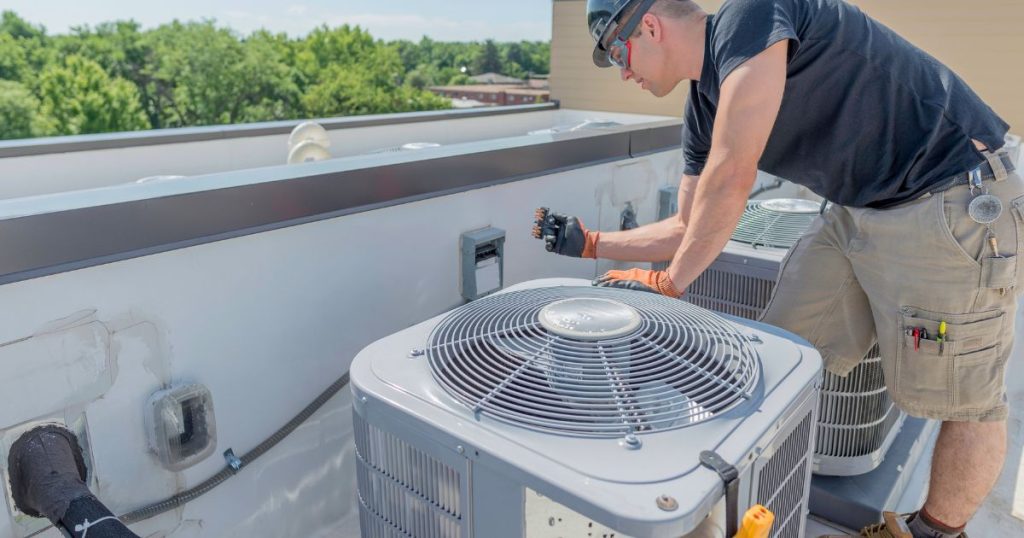
An HVAC inspection before buying a home in Stockton is an evaluation of heating, ventilation, and air conditioning systems to spot defects and estimate remaining life. The inspection checks furnaces, air conditioners, ductwork, filters, and thermostats and reports typical leaks, airflow problems, and safety issues. I make note of the costs, the typical repair ranges, and the local climate impact to help inform offer decisions and budgeting. The middle covers steps, checklists, and negotiating tips.
Local Climate Challenges
Stockton’s climate presents particular challenges to home HVAC systems that buyers need to consider prior to purchase. Knowing how hot summers, moist winters and fluctuating air quality affect systems performance helps buyers evaluate risk, maintenance requirements, and probable energy expenses. The bullets illustrate what to watch and why.
- Hot summers can lead to increased wear and tear on HVAC systems.
- Moist winters may cause issues with humidity control and system efficiency.
- Fluctuating air quality can impact the effectiveness of air filtration systems.
Summer Heat
Local Climate Challenges – Stockton hot summers tax cooling systems and energy use. Check if your air conditioner holds to set temperatures on the hottest afternoons by noting how often it cycles on and off and taking a temperature reading at the supply air vents. A properly sized system keeps indoor air within a couple of degrees of the thermostat setting. Watch for symptoms that the compressor is overworked, such as strange humming, long run times, or short cycling where the unit starts and stops over and over. These are signs of stress and can reduce equipment life. Check the insulation around your ductwork and in your attic. Leaky, insufficiently insulated ducts lose cool air before it reaches the vents, causing the system to operate longer and increasing bills over time. Verify the unit’s SEER or energy-efficiency rating against current standards. Older units with low ratings have a tough time with Stockton’s persistent heat and will lead to increased utility bills.
Winter Moisture
Winter in Stockton means higher humidity and sporadic cold snaps that can mess with HVAC components. Check exposed parts for rust or corrosion, especially the outdoor condensing unit and any metal drain pans as corrosion is a warning of moisture-type degradation that possibly requires repair. Look for condensation near coils and flue areas and for water stains around the furnace or air handler. If the drainage or insulation is bad, this can lead to mold and water damage over time. Make sure condensate drains are clear and any built-in dehumidification or humidity functions operate as these prevent both mold and inefficient heating. Try the heat on under clammy cooler conditions. Make sure it starts and hits evenly without putting moisture in the house.
Air Quality
Stockton’s variable outdoor air quality – varying levels of dust and other pollutants – can clog filters and lower system efficiency, so keep a close eye on filters and ventilation. Check filter status and age, and consider electrostatic or HEPA upgrades as necessary to control pollen and pollutants. Bad filtration puts extra wear on parts and worsens allergy risks. Access panels open to inspect ducts for dust, debris or biological growth. Buildup inside ducts reduces airflow and compromises indoor air quality. Check maintenance records to ensure filters and duct cleanings remain on schedule. Regular tune-ups minimize the strain of local climate on your system, extending its lifespan while helping you control energy bills.
Essential Inspection Components
In Stockton home buying, an HVAC inspection has to include key systems and components that impact safety, efficiency, and long-term cost. Here’s a quick list of important HVAC components to check prior to buying.
- Furnace and heat exchanger
- Air conditioner condenser and refrigerant lines
- Compressors and motors
- Ductwork, registers, and plenums
- Air handler and blower assembly
- Thermostat and controls
- Electrical connections and breakers serving HVAC
- Filters, humidifiers, dehumidifiers, and UV lights
- Condensate drain lines and drain pans
- Insulation around ductwork and equipment
- Water hoses and flexible connectors near HVAC appliances
- Vent termination points and combustion air openings
1. Heat Exchanger
Look for hairline cracks, rust spots or warping that could cause combustion gases to leak. Minor surface rust is fine but any crack needs to be repaired or replaced right away due to carbon monoxide exposure. Make sure the exchanger is mounted securely and burners light and go out clean. Inspect for efficient heat transfer. Test supply and return temperatures and compare to manufacturer specifications to test proper heat transfer. An inefficient exchanger increases utility bills. Check papers or model tags for manufacturer safety standards and age. If your furnace is older than 15 years or so, plan on replacing it even if it looks solid.
2. Ductwork Integrity
Use visible seams, access doors, and attic runs as inspection points for loose joints or gaps. Look for mold staining, heavy dust build-up, pest droppings, or insulation pulled away from ducts. These are tell-tale signs of leaks or moisture problems. Sample flow at multiple registers to identify imbalances. Uneven flow is a sure sign of concealed disconnections or crushed flex duct. Check the duct’s R-value and identify uninsulated runs in unconditioned spaces, where air leaks sap energy. Photos of trouble spots assist with repair quotes.
3. Refrigerant Levels
Measure refrigerant charge and pressures to service plate. Low charge can come from slow leaks at brazed joints or service valves. Use electronic leak detection and dye if needed. Watch compressor behavior. Frequent short cycling or high amp draw suggests refrigerant stress or internal wear. Record any recharge, repairs, or evidence of oil at fittings for price negotiations. Correct charge impacts cooling capacity during Stockton’s warm months.
4. Electrical Connections
Check wiring, conduit, and terminal tightness at the unit and in the air handler. Watch for melted insulation, corrosion, or amateur splices. Test safety switches, contactors, and breakers to confirm they trip and reset properly. For grounding and bonding, verify that the home’s electrical panel is capable of additional HVAC loads for upgrades down the road. A modern, safe electrical system underpins your renovations and tech add-ons.
Critical Warning Signs
Comprehensive HVAC inspection prior to home purchase uncovers safety, cost, and comfort impacting problems. Critical warning signs The following checklist and subtopics demonstrate what to spot, why it matters, and what to do before closing.
Age Hazards
| Component | Typical lifespan (years) |
|---|---|
| Central air conditioner | 15–20 |
| Furnace | 15–25 |
| Heat pump | 10–15 |
| Condensing unit | 15–20 |
Systems beyond their expected life typically become inefficient and fail more frequently. Beware of ‘critical warning signs’. Look for models with notorious weak compressors, refrigerant leaks, or discontinued parts. Older units often lack modern safety controls such as updated refrigerant handling or electronic limit switches. If a system is just a few years away from its end of life, budget for replacement costs, not bandaids. Get quotes to bargain with.
Poor Maintenance
Grimy filters, clogged coils and no maintenance records are all critical warning signs. A system with visible dirt or heavy dust buildup generally indicates neglected regular care. Neglecting maintenance may save a little in the short term but can lead to expensive repairs down the road. Blocked coils limit your system’s cooling power and increase energy consumption, while frayed belts or sooty burners could cut blower and heat exchanger lifespans. Notice missed yearly tune-ups; most experts suggest visits twice a year to identify issues early. Write down service history gaps and leverage them to request credits or price drops. Get contractor quotes on anticipated work.
Safety Violations
Faulty installation or code violations cause actual dangers. Check for unsecured flues, bad venting, lack of combustion air, or exposed wiring near the unit. Lack of safety shutoffs and guards can lead to fire or carbon monoxide risk. A few older installs don’t have the modem pressure reliefs or condensate safety switches. These can invalidate home insurance or manufacturer warranties if not addressed. Flag anything that’s imminently dangerous — unsecured gas lines, heavy soot, active leaks — and demand they fix it before they close. If a fix is small and routine, a seller credit is reasonable. For major code issues, consider demanding repair or walking away. A professional inspection usually runs 60 to 90 minutes and is around 100 to 300, so include that in your due diligence and budget. Get repair or replacement estimates for leverage in negotiating and remember the HVAC is a big expense that you want to see now rather than later.
Inspector Qualifications
A solid HVAC inspection starts with defined expectations about the inspector’s experience and the report they provide. Buyers need pros with demonstrated HVAC experience, up-to-date knowledge of local codes, an impartial reporting mindset, and a local reputation they can check and trust.
Licensing Standards
Confirm that the inspector has a valid state or municipal HVAC inspection license, and double-check the license number with the issuing agency. Each state has its own home safety standards, so a license for one may not necessarily fulfill California requirements. Verify that the credential specifically covers California or Stockton city regulations. Here’s what it means to meet minimum standards: Make sure the inspector meets California’s requirements for home inspections by inquiring which statutes or code editions the inspector references when inspecting systems. Verify continuing education or training requirements. Many regions demand periodic continuing education, and inspectors who take courses remain current on code revisions and new safety procedures. Ask for evidence of licensing prior to setting up an inspection. Copies of certificates, a license number, and contact information for the licensing board are typical. Without training and certification, even a person who’s lived in a house for years or purchased dozens would miss key problems. Inspection prices vary with the inspector’s experience, scope of work, and house size or location, so balance price with documented credentials instead of looking for the lowest.
Technical Certifications
Seek out inspectors who hold certifications from industry organizations like NATE or HVAC Excellence. These organizations test the kind of hands-on skills and system knowledge that are useful for diagnosing. Appreciate any extra certifications in energy efficiency or indoor air quality. Certifications in these areas suggest the inspector can analyze heat loss, duct leakage, or contaminants that impact system performance. Give preference to inspectors with hands-on technical training, and inquire about their experience with the particular system types you might have—split systems, heat pumps, packaged units, or older boiler setups. Request a list of certifications for the inspector and follow them up where possible. A few inspectors bring specialized training in mold or radon inspection, which can be handy if a home exhibits signs of moisture or poor ventilation. Home inspectors usually need certification and training to do their job and might have to satisfy education and training prerequisites to become certified. An experienced home inspector understands local building codes and regulations and can cite specific code when recommending repairs or replacements.
Buyer Valuation Strategy
A buyer valuation strategy emphasizes gathering and analyzing hard documentation to establish or modify a home’s value. This starts with the HVAC inspection report and encompasses maintenance records, repair invoices, warranties, installation dates, model and serial numbers, refrigerant information, and roughly a year of utility bills. Take these and create an explicit dollar-based argument for negotiating and timing, which generally takes seven to ten days to complete inspections and appraisals.
Repair Deductions
- List of needed HVAC repairs and estimated costs: 1. Corroded heat exchanger replacement — $1,200 to $2,000. 2. Fix refrigerant leak and recharge — $300 to $700. 3. Overhaul of failing blower motor — $400 to $900. 4. Repair or replace busted ductwork — $500 to $2,500. 5. Clean and service condenser coil and replace filters — $150 to $350.
Send these approximations along with invoices or quotes to support a smaller bid. Display photos and inspector notes highlighting visible indicators such as rust, water stains, abnormal sound or incessant cycling. Have the seller fund repairs prior to closing or discount the price by the audited repair cost. Include the repair list in your offer letter so the seller can see the specific foundation for your deduction request.
Replacement Credits
- Inspection suggests the replacement of the rooftop AC unit, which has a manufacture date of 2004.
- Outcome: Service report indicates the furnace is near its useful life. It was installed in 1998.
- Inspector notes refrigerant type requires retrofit to current standards.
- Recommendation to replace aged thermostat and zoning controls.
Ask for a credit at closing to pay for full or partial replacement rather than requiring immediate seller repairs. Leverage the age and installation dates. The older the units, the higher the replacement risk and cost. Attach replacement suggestions along with the inspection report, installation invoices when possible, and manufacturer warranty status to justify the credit amount. If the appraisal is low, paying cash to fill the difference between appraised value and purchase price can save the deal and address the identified replacement items.
Contingency Clauses
Add an HVAC inspection contingency to the purchase contract that specifies remedies for major defects: seller-funded repair, agreed credit at closing, or buyer withdrawal. Establish hard deadlines for the inspection window and issue resolution to stay on track and avoid delays. Coordinate these with the standard 7 to 10 day inspection and appraisal timeline. Specify how earnest money will be protected if defects aren’t remedied. Be sure to include access to installation invoices, model and serial numbers, upkeep and repair history, and warranty paperwork prior to closing.
Efficiency Upgrade Potential
Evaluating your home’s HVAC efficiency identifies where there are opportunities for immediate savings and comfort improvement. A crisp snapshot of actual performance versus contemporary benchmarks assists purchasers in determining whether to haggle for repairs, demand credits, or schedule upgrades post-sale.
| Item / Measure | Average Older System (15+ years) | Current Day Standard (2024) |
|—|—:|—:|| SEER / SEER2 (cooling) | 8–10 | 14–20+ | | AFUE (furnace efficiency) | 70–80% | 90–98% | | Heat pump HSPF / COP | Low, inconsistent | High HSPF, COP greater than 3 in mild climates | Thermostat type | Manual or basic programmable | Smart or Wi-Fi programmable | | ZONING | RARE | COMMON for multi-zone control | Filtration | Standard 1–2 MERV | Premium filters MERV 8–13 or greater | | Age & repair risk | greater than 15 years; frequent repairs | less than 10–15 years; lower repair risk |
Contrast existing HVAC efficiency to contemporary equipment by aligning system age, SEER/SEER2 and AFUE ratings and measured operating behavior. If the system in question is more than 15 years old, efficiency will be dropping off, repairs will be increasing in probability and resale value will be minimal. An AC or heat pump over 10 years often operates well under modern SEER2. A furnace 15 years or older will usually lag on AFUE. Notice short cycling as an indicator the unit is oversized. It operates in short bursts, squanders energy and reduces lifespan. Add inspection notes on cycle length, airflow and refrigerant charge to really quantify gaps.
List available rebates or incentives for Stockton-area homeowners: check state and federal programs for heat pump incentives, local utility rebates for high-efficiency SEER2 units, and tax credits for ENERGY STAR models. Numerous programs provide rebates for smart thermostats, heat pump installs, and home efficiency bundles. Verify current offerings with the utility and state energy office and save contractor documentation for claims.
Prioritize upgrades that boost comfort and reduce long-term utility costs by starting with low-cost, high-impact changes: install a smart or programmable thermostat to match occupancy patterns and save energy. Upgrade filtration to a higher MERV level for indoor air quality and system protection. Plan an annual tune-up to maintain efficiency. For bigger investments, think about a right-sized high-SEER2 AC or a new heat pump if your climate features extended cooling seasons and mild winters. Zone it for room-by-room control where homeowners desire customized comfort and savings. Swap out systems that are beyond recommended ages to prevent unexpected breakdowns and to experience efficiency upgrades.
Conclusion
HVAC inspection before buying a home in Stockton. Summers are dusty and hot. Winters are wet and pose a mold risk. A qualified inspector discovers leaks, clogged ducts, damaged wiring, and injured compressors. A record of age, filter type, and previous repairs aids in establishing a reasonable offer. Little things like a new filter, sealed duct, and thermostat swap reduce operating costs. Bigger issues like a failed compressor or rusted coil translate into more cash up front. Balance repair costs with system life and local repair rates. Request written reports and photographs. Obtain a quote from two contractors prior to signing. Need assistance locating inspectors or comparing repair quotes? Contact me and I’ll forward some local choices and an easy price checklist.
Frequently Asked Questions
Do I need an HVAC inspection before buying a home in Stockton?
Yes. A HVAC inspection before buying a home in Stockton helps you avoid surprise expenses and empowers negotiation.
What does a typical HVAC inspection include?
Our inspectors check your furnace, air conditioner or heat pump, ductwork and filters for all HVAC inspections, including refrigerant levels, electrical components, and thermostat functionality. They make sure everything runs well and safely.
How much does a pre-purchase HVAC inspection cost in Stockton?
They charge from €80 to €250 (roughly $120 to $400). Price varies based on system type and whether comprehensive testing or diagnostics are included.
What warning signs should make me walk away or renegotiate?
Red flags include age over 15 to 20 years, frequent repairs, refrigerant leaks, odd noises, poor airflow, and unsafe wiring. Leverage these to ask for fixes, price reduction, or credits.
What qualifications should I look for in an HVAC inspector?
Select a licensed HVAC or certified home inspector with HVAC credentials. Check for trade licenses, NATE certification, and experience with Stockton’s local weather.
How do HVAC findings affect my offer price?
Use inspection reports to estimate repair or replacement costs. Request seller repairs, price reductions, or escrow credits based on documented estimates.
Can I estimate energy savings from an efficiency upgrade?
Yes. Inspectors or HVAC contractors can offer anticipated savings and payback time for new units, SEER ratings, and duct sealing, which are useful for long-term cost projection.