

Key Takeaways
- Hot climates reduce air conditioner lifespan by both increasing daily runtime and stressing key components. Monitor usage and schedule a 10 to 15 year lifespan for central systems.
- Routine care is your best solution. Change filters every 1 to 3 months and have professionals check it at least once annually.
- Keep a close eye on key components like the compressor, capacitors, and fan motor. Watch for signs of trouble and replace failing parts early to prevent cascading failures!
- Cut down on runtime and heat exposure with programmable or smart thermostats, insulation, and shading or relocating the outdoor unit.
- Combat humidity, dust, and solar radiation head-on through dehumidifiers, routine filter and coil cleaning, and UV-resistant shielding to maintain efficiency.
- Think timely upgrades, such as inverter technology, variable-speed systems, and properly sized units, to reduce lifetime costs and enhance reliability in scorching climates.
How long do air conditioners last in hot climates typically last between 8 and 12 years for central systems and 10 to 15 years for well-maintained split units.
Longevity is a function of hours of use, consistent maintenance, proper installation, and the temperatures that components have to endure. Greater daily runtime and regular heat waves reduce service life, while seasonal cleaning and prompt refrigerant checks prolong it.
The paragraphs below discuss influences, care advice, and swap signals.
Lifespan Factors
Air conditioners in always-hot areas face more stress than in mild regions, impacting their overall HVAC lifespan. Higher daily run times, humidity, dust, and solar exposure all contribute to wear and tear on the AC units. Homeowners can monitor these factors and take actionable steps for proper maintenance to decelerate costly breakdowns.
1. Constant Operation
Running an AC for many hours each day accelerates wear on both moving parts and electrical components. Systems in hot climates tend to run near-continuously during the peak months and that continuous use typically reduces life by roughly 2 to 4 years compared to moderate climates.
Record runtime by documenting thermostat settings and employing smart thermostats that record hours. More hours in operation increase the frequency of service visits. Filters, belts, and capacitors all wear quicker and require sooner replacement.
Cut unnecessary runtime with programmable thermostats, window shading, ceiling fans that increase comfort temperature, and better insulation and sealing that reduce heat gain.
2. Extreme Temperatures
Sustained high outdoor temperatures drive compressors and condensers to work at increased pressures and temperatures. High refrigerant pressures increase mechanical stress and can speed up oil decomposition leading to early compressor failure.
Well-sized equipment with high ambient temperature ratings and proper charged refrigerant keep things running. Verify outdoor unit location, put the condenser on a shaded, ventilated pad and never ‘box it in’.
Opt for models that have higher operating temperature ratings when swapping out units in extremely hot areas.
3. High Humidity
High humidity requires longer cooling cycles to extract moisture as well as heat, prolonging runtime and part fatigue. Moisture fosters mold and corrosion within ducts, drain pans, and coils, damaging indoor air quality and component life.
Consistent upkeep consisting of coil cleaning, drain clearing, and duct inspections decreases humidity-induced issues. Think about supplemental dehumidification, either standalone dehumidifiers or those that integrate with your HVAC system, to reduce runtime and preserve system internals.
4. Air Contaminants
Dust, pollen, and fine particles clog filters and restrict airflow, making coils run hotter and compressors work harder. Change or clean filters regularly. Once a month during summer in dusty regions is typical.
A simple homeowner checklist includes inspecting filters, vacuuming accessible coils, clearing outdoor coil fins, and scheduling professional duct cleaning if visible buildup exists. Neglect does exactly what you’d expect; it raises repair costs and diminishes lifespan, in some cases by years.
5. Solar Radiation
Direct sunlight on outdoor units raises internal temperatures and accelerates materials degradation. If you shade the condenser with lattice, planting, or a sunshade and use UV-resistant plastics or covers, you reduce the heat load and slow the aging of rubber and plastic.
If feasible, move the unit to a more protected location at replacement to prolong working life.
Critical Components
An air conditioning system’s projected lifespan in hot areas is generally contingent on a couple of components and their installation and maintenance. Installation quality, climate extremes, usage, and regular maintenance drive longevity. Average lifespans are anywhere between 15 to 20 years for complete systems, whereas well-maintained ductless mini-splits can come close to 20 years.
Critical parts replacement, early inspections, and post-2020 refrigerant availability are essential to preventing sudden, expensive breakdowns.
The Compressor
The compressor, which is commonly referred to as the “heart” of the AC unit, circulates refrigerant in the system and controls cooling capacity as well as energy consumption. Compressor replacement is costly and could mean it’s time to consider a complete system replacement, particularly for those around 15 to 20 years old.
It’s less economical to invest a significant amount into an ancient chassis than to upgrade to a new, more efficient system. Overheating, poor maintenance and electrical stress shorten compressor life. Typical culprits are dirty coils, low refrigerant and lousy airflow.
Warning signs that you should be on the lookout for are noisy operation, no cool air, tripped breaker or oil around service ports. When those signs show up, it’s time to schedule a checkup fast to prevent any collateral damage from occurring!
The Capacitors
Capacitors control voltage to motors and start windings. In extreme heat, they age faster and are prone to failure, making them a hot-climate frequent flyer. Proper maintenance checkups find bulging, leaking, or weak capacitance before a motor pulls burn current.
Bad caps can cause systems to shut down again and again, motors starting late, or humming noises. Replace capacitors at the first obvious sign of trouble. It is cheap compared to the secondary damage they can cause.
Failing to replace during an annual service can leave the system vulnerable to a sudden stop in peak season. When a capacitor begins to wear, technicians should inspect wiring and contactors.
The Fan Motor
The fan motor blows air over coils and into your rooms. It keeps refrigerant exchange and heat rejection going like it should. Without airflow, the compressor has to work extra hard and can overheat.
Dust clog, bad bearings, and failed lubrication cause premature motor failure. Annual maintenance that cleans fan blades, checks belts, and lubricates bearings keeps the motor reliable. A failed fan motor means rapid compressor stress and a shortened unit lifespan.
Check fan motors on peak-usage seasons. Whenever possible, swap out borderline motors before they burn to safeguard the compressor and avoid considering a complete system replacement.
Proactive Maintenance
Proactive maintenance is by far the best way to maximize the useful life of air conditioning units in hot climates. By focusing on regular HVAC maintenance, homeowners can minimize wear from heat and humidity, maintain efficiency, and prevent unexpected breakdowns during peak seasons. These simple, actionable schedules can help keep HVAC systems running longer and cheaper.
Air Filters
Replace air filters every 1 to 3 months — more frequently during your peak cooling months or if your home has pets or excessive dust. Fresh filters increase airflow and decrease the burden on the blower motor and compressor, which decreases energy consumption and extends component lifespan.
Clogged filters cut off airflow, making the system run longer and harder, which can cause components to stress, overheat, and break down, often leading to repairs upwards of 1,000 in refrigerant leaks. Set phone reminders or mark a paper calendar for replacements. Small actions, inspecting filters once a month and changing them when visibly dirty, avoid much bigger issues.
A filter replacement calendar leaves a paper trail that assists technicians in diagnosing recurring issues and bolsters warranty claims when necessary.
Condenser Coils
To maintain the efficiency of your air conditioning unit, it is crucial to clean the condenser coils regularly. When dirt and debris clog these coils, the compressor runs longer cycles, which not only drives up energy bills but also cuts the hvac lifespan. In hot, humid climates, coil fouling accelerates as moisture traps particles and promotes corrosion.
The signs of dirty coils include diminished cooling capacity and increased utility bills, indicating that your ac unit may struggle to reach the desired thermostat setpoints. Therefore, homeowners should prioritize coil inspection and cleaning at least twice a year, often aligning it with spring and fall ac tune-ups.
By committing to this routine maintenance, you can prevent your AC unit from losing 20 to 30 percent efficiency, which is common after 12 years of use, and potentially extend the lifespan of quality units to over 30 years.
Professional Servicing
Schedule professional inspections once or twice a year by a qualified technician. Technicians verify refrigerant charge, electrical connections, motors and system performance. They are able to identify problems in the making before they turn into expensive repairs.
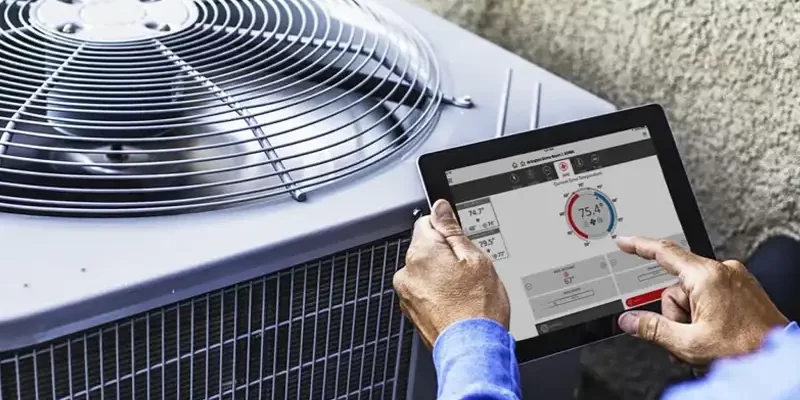
Preventative service cuts the risk of mid-summer breakdowns and often saves you money compared to emergency repairs. Keep detailed maintenance records: dates, services performed, parts replaced, and technician notes.
History reveals trends such as recurring refrigerant additions and persistent compressor failures and informs the five thousand dollar rule for replacement, which states that repair price multiplied by unit age is approximately five thousand. Select trusted manufacturers and licensed HVAC contractors to guarantee quality work and accurate diagnoses.
In very humid areas, more frequent inspections are reasonable because moisture accelerates component wear.
Replacement Signs
Air conditioner replacement is a significant decision best guided by signs rather than gut feelings. Keeping tabs on performance, costs, and comfort can help balance repair versus replacement. Replace the AC unit when recurring costs and declining efficiency outpace the value of fixes.
Frequent Repairs
Frequent breakdowns and expensive repair bills indicate the end of its useful life. Maintain a repair journal recording dates, symptoms, parts replaced and cost. Patterns emerge indicating if your faults are isolated or systemic.
As is true for replacement signs, repair can add up fast. If repairs amount to roughly half the cost of a new system, replacement often makes more sense. If major components go in rapid succession, especially the compressor, replacement typically is the more economical option because compressors are expensive and difficult to find for older units.
Units over 10 years old can still have parts scarcity. Even if a major repair can buy ‘life,’ availability and cost of parts factor in.
Rising Energy Bills
An unaccounted for increase in energy consumption indicates declining efficiency. Match month or season to season energy use year over year. Any persistent increase for three to six months is an equipment issue that won’t magically resolve itself.
This will lead to higher bills because your system is working harder to provide the same comfort. Typical culprits are worn motors, failing fans, bad airflow, and lost refrigerant.
It’s tempting to simply replace an aging unit with a new high-efficiency model. This can bring down your long-term utility costs and often pays back over time. If your unit is R-22 and needs a major refill, repairs can cost more than replacement because R-22 is phased out and costly.
Inconsistent Cooling
Uneven temperatures, hot spots, or weak airflow are symptoms of underlying problems. Inspect ducts for obstructions, examine registers, and test airflow. A failing compressor or refrigerant leak will cause uneven cooling.
Record room-by-room performance—what rooms run warm and when—to assist a technician in identifying the root cause. A quick duct fix or refrigerant recharge sometimes solves imbalance, but plastic inconsistency often foreshadows improper sizing or an aging system.
Replacement Signs upgrading to a correctly sized or modern unit provides more consistent comfort and prevents going through the same band-aid fixes over and over.
System Age
Central air conditioners only last 10 to 15 years in hot climates. Consider replacement as the unit approaches 10 years, especially if it requires frequent repairs or efficiency declines.
Older systems may use legacy refrigerants and lack modern efficiency features. Budgeting for replacement prior to full failure prevents emergency expenses and downtime.
Extending Durability
Maximizing an air conditioning unit’s lifespan in sweltering climates requires intentional maintenance and appropriate sizing. Regular AC maintenance and prudent usage minimize strain on parts, preventing expensive repairs and extending the HVAC system’s life by years.
Strategic Upgrades
Switching to variable-speed compressors or inverter-driven units cuts on-off cycling and maintains cooler indoor temperatures, which minimizes mechanical strain. Smart home integration lets systems run when they need to, not all the time. That reduces runtime and extends life.
Swap out fatigued bits—capacitors, contactors, fan motors—with premium or OEM components to avoid domino-effect failures and maintain warranty coverage. Fitment issues that cause early failure are avoided through proper installation of new parts by a certified technician.
- Step up to variable-speed or inverter models for swoosh-free operation and efficiency.
- Add smart controls to limit runtime during peak heat.
- Swap out old parts for new rugged ones from trusted suppliers.
- Prioritize professional installation to maintain warranties and correct operation.
Long-term savings from timely upgrades versus frequent repairs include:
- Lower energy bills through improved SEER ratings.
- Less emergency service calls and labor costs in the long run.
- Extended equipment life delays full-system replacement.
- Higher resale value for a home with modern HVAC.
Proper Sizing
Right system sizing aligns cooling capacity to the home’s heat load. An underdimensioned unit runs in permanent operation, overheats and consumes components. A too large unit short cycles, creates humidity problems and start stress.
Refer to manufacturer sizing charts and do a Manual J load calculation. Our certified technicians use insulation levels, window area, occupancy, and local climate to size systems properly. Wrong size and bad installation are the other biggest factors that reduce lifespan along with neglect.
| Square footage (m²) | Typical unit size (kW) | Climate note |
|---|---|---|
| 37–56 | 2.6–3.5 | Mild climates |
| 56–93 | 3.5–5.0 | Warm climates |
| 93–140 | 5.0–7.0 | Hot climates, high sun |
| 140–200 | 7.0–10.0 | Very hot climates, large heat gains |
Smart Thermostats
Programmable and smart thermostats significantly reduce unnecessary run time, keeping HVAC systems closer to their peak performance. Learning thermostats detect usage habits and can turn off cooling during low-use periods, such as when the house is empty. Remote access enables off-site monitoring and adjustments, ensuring the air conditioning unit doesn’t operate when no one is home.
Combining these thermostats with occupancy sensors and blinds control can lead to synchronized savings. Look for features like remote access, learning capability, energy reports, geofencing, and compatibility with your HVAC system.
Smart control, paired with regular HVAC maintenance from a qualified technician, can extend the HVAC lifespan by three to five years, allowing systems to potentially last up to twenty-five years with proper care.
The Technology Edge
Today’s air conditioners feature technologies that have a direct impact on a unit’s lifespan in hot climates. Better compressors, heat-exchange designs and stronger fan motors lessen the strain over long run times. Inverter-driven compressors vary their speed instead of turning fully on and off. This eliminates start-up wear, minimizes peak electrical demand and reduces temperature fluctuations that stress components.
In hot climates, where the systems operate nearly all the time, inverter units tend to exhibit longer lifespans and more consistent performance than their fixed-speed counterparts.
Inverter Technology and Component Durability
Inverter technology reduces start and stop cycles, a primary source of wear in tropical or desert environments. Continuous, lower-speed operation keeps refrigerant flow steady and lessens thermal shock to coils and solder joints. For example, a central unit with an inverter compressor may run at 30 to 70 percent capacity for hours, rather than cycling at full power every 10 to 15 minutes.
That reduces mechanical stress and can push a well-maintained unit toward the higher end of the 15 to 20 year expectancy, and occasionally beyond 20 years with careful care.
Filtration, Refrigerants, and Maintenance Practices
High quality filtration reduces dust and particulate build up on coils and in the blower, which helps keep airflow higher and the compressor working less to move cooled air. Cleaner coils result in less service calls and frequently less premature failures. Newer green refrigerants and system designs contribute.
Units with approved low-GWP refrigerants and hermetically sealed refrigerant circuits minimize the need for such top-ups. However, testing and, if necessary, changing coolant every 2 to 3 years helps sustain pressure and efficiency. Simple maintenance — yearly tune-ups, cleaning or replacing filters, and checking coils — is associated with systems going strong up to 25 years versus burning out around 10 when overlooked.
Brand Choice, Warranties, and Efficiency Metrics
Select brands known for robust compressors, corrosion resistant coils and a reliable service network. Seek out transparent component warranties and longer coverage on compressors and coils. Go for energy-efficiency ratings and have EPA-certified products.
Get systems designed to last. High-efficiency units tend to have longer lifespans because they run cooler and encounter less wear. Consider local climate: units in hotter regions endure more runtime than in temperate zones, so pay attention to installation quality, correct sizing, and homeowner behavior.
Thermostat settings and use patterns strongly affect wear. With the right installation, maintenance, and thoughtful use, these systems have the best opportunity to achieve their full lifespan potential.
Conclusion
Air conditioners in hot climates don’t last as long as they do in mild places. You can keep them running well longer. Most split or central units survive 8 to 12 years of heavy use. Critical components such as compressors and coils wear out more quickly in heat and dust. Regular simple work cuts failures: clean filters, clear outdoor coils, keep refrigerant at the right level, and schedule checks every 6 to 12 months. Catch signs early — funny noises, thin airflow, increased bills — and repair minor defects quickly. A higher-efficiency model upgrade is worth it in comfort and lower energy use after 8 years of constant heat. Compare price and efficiency ratings and choose a trusted local technician to keep your system reliable.
Act now: book a service or get a free estimate.
Frequently Asked Questions
How long do air conditioners typically last in hot climates?
Out of the box, most well-maintained central air conditioning systems last 10 to 15 years in hot climates. However, heavy use and neglect can reduce the expected lifespan to 7 to 10 years. Good installation and regular AC maintenance add years.
Which components fail first in hot climates?
Compressors, condenser coils, and fans are the most typical early failures in an air conditioning unit. Heat stresses and constant cycling wear these components fastest, making regular HVAC maintenance essential to minimize hazards.
How often should I schedule professional maintenance?
Take your air conditioning unit in for service at least once a year, preferably before the hot season. Routine maintenance checks, ideally twice a year, provide additional peace of mind in harsh climates and prevent expensive breakdowns.
Can regular maintenance extend an AC’s life?
Yes. Seasonal air filter changes, coil cleanings, and refrigerant checks as part of regular HVAC maintenance can add a few years to the actual lifespan of your AC unit.
When is it time to replace rather than repair?
Consider an air conditioning unit replacement when repair costs exceed 50% of a new unit, efficiency declines significantly, or your cooling needs are not adequately met.
Does the type of AC unit affect lifespan in hot climates?
Yes, modern air conditioning units, such as split systems and high-efficiency AC units, tend to outlast window units when heavily used due to durable components and proper sizing.
How does extreme heat affect energy costs and lifespan?
Extreme heat drives up run time and stress on the air conditioning units, pushing up energy costs and accelerating wear. Proper maintenance, along with good insulation and shading, helps extend the hvac system’s life.