

Key Takeaways
- A consistent blue pilot light is integral for safe, dependable furnace ignition and avoids perilous gas accumulation. Watch for flickering or a yellow flame and take action.
- Typical reasons why furnace pilot light keeps going out are: failing thermocouple, limited gas supply, drafts or poor ventilation, clogged pilot orifice, and defective gas valve. Test them in that sequence and replace any damaged parts.
- Environmental and systemic stressors — such as dust, humidity, drafty locations, and an aging furnace — amplify outage risk, so maintain a clean furnace environment, control airflow, and consider replacement when repairs become too frequent.
- Troubleshoot systematically by first observing the flame and conditions. Then clean the pilot orifice and thermocouple after shutting off the gas. Next, test the relight and controls while recording findings for experts.
- Keep it healthy with seasonal professional tune-ups, regular filter changes, and a maintenance log or service plan for longer furnace life and fewer pilot headaches.
- Contact a professional HVAC technician for recurring pilot light failures, gas leaks, or any valve or electrical repairs that involve gas.
A furnace pilot light keeps going out when the tiny flame that sparks the burner can’t stay lit. Typical reasons are a dirty thermocouple, low gas pressure, blocked pilot orifice, drafts or defective safety switches. Frequent outages drive up energy bills and disrupt heating dependability.
Below are easy inspections, safe diagnosis, and straightforward advice on when to call a licensed repair technician to resolve lingering problems.
Pilot Light Basics
Essentially, a pilot light is a tiny, low-flow offshoot of the gas line which remains lit to act as an ignition source once the furnace burner activates. It’s an uncomplicated yet vital piece of equipment for a lot of gas-fired furnaces and other gas appliances. The pilot maintains a flame in standby so that the main flow of gas can be lit instantly, thereby avoiding a raw gas mix in the combustion chamber.
| Feature | Safety importance | Indicators of proper function | Effects on furnace operation |
|---|---|---|---|
| Always-on small flame | Prevents gas accumulation by burning small gas flow | Steady blue flame, no soot, steady heat cycles | Enables safe ignition and normal heating cycles |
| Pilot line size and flow | Too low flow can lead to unstable flame or outage | Flame that stays lit through drafts and demand | Consistent burner start and shorter warm-up times |
| Thermocouple coupling | Shuts gas if pilot goes out to prevent leaks | Thermocouple produces voltage when heated | Faulty thermocouple causes pilot failure and safety lockout |
| Cleanliness around pilot | Debris can smother the flame or block flow | No dust or blockages near opening | Dirty pilot can fail to light or stay lit |
| Gas regulator / supply | Poor regulation can cut pilot flow under load | Stable gas pressure, no pressure drops during demand | Low pressure causes flame to go out during high demand |
A constant blue pilot flame is the first indication of good combustion and a well-behaved furnace. A yellow or flickering flame indicates dirt, incomplete combustion, or low gas pressure. If the pilot keeps going out, look for a clogged pilot line or dirt around the pilot aperture.
Grit is usually the culprit when the flame sputters or dies. A pilot line with too low flow will produce a weak flame that is susceptible to drafts or pressure fluctuations. Heavy household or neighborhood gas usage in winter can temporarily cause drops in pressure that blow out the pilot. A defective or misadjusted gas regulator will cause similar problems and should be checked by a professional.
The thermocouple detects the pilot flame by generating a tiny electrical signal when heated. If it fails, the gas valve will close and the pilot won’t remain alight. For relighting, set the valve to PILOT and hold a lit match or igniter next to the pilot opening.
Then press and hold the control button and hold for around 60 seconds so the thermocouple heats and registers the flame. Keeping the pilot area clean and checking regulator and supply pressure at least once in a while lessens failures and keeps the ignition safe and reliable.
Why It Fails
Pilot light outages aren’t usually random; they’re symptoms. Here’s a list below of the usual suspects with explanations preceded by targeted examinations of the big things that break and how to test them.
Pilot problems can cause furnace breakdowns and a complete loss of heat in your home. Multiple outages typically indicate a repair is necessary. Watch for flickering, a yellow flame, or frequent relighting.
- Thermocouple failure — The thermocouple is a safety sensor that detects the pilot flame and holds the gas valve open. When it corrodes, gets bent out of position, or has loose connections, it can report no flame when there is one and shut the gas off. A bad thermocouple is a typical reason the pilot goes out and it will degrade over time. Inspect for obvious corrosion, a bent tip, or loose wiring. Replacement usually returns the pilot to reliable functioning.
- Low gas – A good, strong flow of gas is necessary to sustain a steady flame on the pilot. A clogged gas regulator, a partially closed valve or blockages in the pilot line will minimize flow and create a weak low flame that can extinguish. Check valves and lines for clogs and leaks. Make sure other gas appliances are operating and are not pulling too much pressure during peak months.
- Airflow and combustion air issues — Vents, open windows, or even a nearby exhaust pipe can create drafts that blow out the pilot. An airtight furnace room with insufficient ventilation can suffocate the flame of oxygen. Inspect your air intake, change out clogged furnace filters and seal leaky gaps that produce unwanted drafts. It requires proper ventilation for combustion safety and consistent pilot operation.
- DIRTY PILOT ORIFICE AND LINE — Dust, lint, and soot accumulate in the pilot orifice or pilot line and impede gas flow. This leads to flaming or a flame that’s too low. Routine cleaning with a fine wire or compressed air can clear blockages. If cleaning doesn’t fix it, the orifice could be corroded and require replacement.
- Gas valve and regulator issues — A malfunctioning gas valve can sporadically shut off gas to the pilot, and an improperly adjusted or defective regulator will induce pressure fluctuations that impact flame steadiness. Try the valve when it’s running. Does it stick or not open fully? Replace it. PROFESSIONAL SERVICE) valve or regulator replacement.
Other factors include high seasonal gas demand that can create system fluctuations, condensation or moisture in parts that occasionally disrupt ignition, and debris on the pilot assembly that usually produces a yellow or weak flame, indicating cleaning or adjustment.
1. Thermocouple
The thermocouple detects the pilot and shuts the gas valve if it doesn’t sense a flame. Verify corrosion, loose connections, and misalignment. Replace if defective.
2. Gas Supply
Make certain the gas valve is open all the way, check for leaks or obstruction, and verify supply to other appliances, particularly during peak usage.
3. Airflow
Check for drafts, dirty filters, or closed rooms that restrict combustion air. Seal gaps and re-establish ventilation to keep the pilot stable.
4. Pilot Orifice
Unplug the hole and tube with thin wire or blasts of air. A clogged or dirty orifice makes for a weak or flickering flame.
5. Gas Valve
Test valves; old or defective valves usually require dealer replacement to prevent intermittent pilot outages.
Systemic Stressors
Systemic stressors are the external and internal forces that continually cause a furnace’s pilot light to blow out, sputter, or not keep lit. Identify these stressors sooner. Some are relatively easy to locate and address. Others highlight underlying issues requiring expert care.
Common systemic stressors affecting pilot light function include:
- Strong drafts or airflow disruption around the furnace
- Dust, lint, dirt buildup and clogged burners or orifices
- High humidity or sudden temperature swings
- Water leaks, rain intrusion, or standing moisture near the unit
- Faulty thermocouple or flame sensor components
- Worn or aged valves, pilot assemblies, or heat exchanger problems
- Venting problems or blocked flues and contaminated combustion air
- Gas leaks or inconsistent fuel pressure
- Constantly lit pilot light increasing energy use
Taking care of these stressors can help prolong furnace life and even boost efficiency! Annual cleanings and inspections, for example, clear away buildup, test sensors and adjust gas pressure. Maintenance aids in identifying a cracked heat exchanger or failing thermocouple before the pilot light turns into a safety hazard.
Homeowners should inspect their furnace environs for drafts, moisture sources and clutter that attracts dust. Easy solutions tend to optimize pilot outages and energy consumption.
Environment
Temperature swings and humidity alter the pilot’s behavior. Cold, sudden drafts can blow out a tiny pilot flame. Hot, moist air can affect combustion. Dust, lint and pet hair find their way into the pilot area and suffocate the flame.
Wipe down nearby surfaces and vacuum vents periodically. Something as simple as a rain leak or water pooling near a basement or crawlspace furnace can blow out the pilot light and corrode the heat exchanger or burner. If water was there, have a tech check for corrosion and combustion components.
Install carbon monoxide detectors at floor level near bedrooms and the furnace room. Problems with poor ventilation or combustion increase CO risks.
Age
Older furnaces have more pilot problems due to worn parts and corrosion. Parts like thermocouples, pilot tubes and gas valves break down after decades. If a unit is 30 years old, constant repair fees might overcome replacement.
The newer sealed-pilot or electronic ignition versions are much more efficient. Routine checks and part swaps can add years, but multiple pilot terminations could signal a failing heat exchanger or valve assembly and warrant replacement for safety and economic reasons.
Placement
Furnaces located in drafty attics, open basements, or near supply vents experience more outages. Evaluate air currents and observe if doors, windows, or fans blow a consistent draft across the burner.
Shielding the unit or pulling it away from direct drafts decreases outages. Well sited, it guarantees reliable combustion air, minimizes pilot outages, and promotes even heating.
Troubleshooting Guide
A path forward, a logical approach to troubleshooting, to determine why your furnace pilot light keeps going out and what to do before calling a technician. Follow safety rules and work methodically: observe the flame, clean accessible parts, and run basic tests.
Here’s a numbered list of troubleshooting steps and specific advice for each H3 section.
- Cut power and gas if you will contact the furnace. Give it five minutes to clear before relighting.
- Notice the pilot flame – color, size, and behavior. Record what you observe and when the flame extinguishes.
- Look for drafts, loose panels, or nearby ventilation that could blow out the flame and seal or redirect airflow accordingly.
- Inspect the pilot line and orifice for dust or underflow. Clean or adjust pilot line flow if you can safely get to it.
- Inspect the thermocouple for corrosion or breaks. Change it out if it appears old or won’t keep the pilot lit.
- Test the pilot control knob. Reset or safety buttons hit reset just once, according to the manual.
- Change clogged air filters and clean out burner deck debris for better air flow.
- If problems continue after cleaning and simple tests, observe if the issues follow a pattern (time, temperature, demand) and contact a professional service technician. Gas regulator malfunctions or elevated seasonal gas consumption could require expert servicing.
Observe
Observe the pilot flame for color and size. A strong blue flame is fine, but yellow or feeble flames mean a clogged pilot line or insufficient gas flow. Flickering or blowouts tend to indicate drafts or a dying thermocouple.
Note when it goes out: during fan start, when doors open, or only in cold weather. Note any odors, such as rotten egg or pungent gas, and sounds, like hissing, around the furnace. These notes will expedite diagnosis and assist a repair technician in identifying regulator defects, leaks, or fuel pressure problems.
Clean
Kill the gas before wiping anything down. Let it vent for 5 minutes after shutoff. Clean the pilot orifice and adjacent openings with a soft brush or low-pressure compressed air.
Wipe the thermocouple gently. If there is still heavy corrosion, it will need to be replaced. Replace the air filter while you’re at it. A clogged filter restricts airflow, which can impact combustion and pilot stability. Don’t stick pins into the hole. Little pieces get broken off very easily.
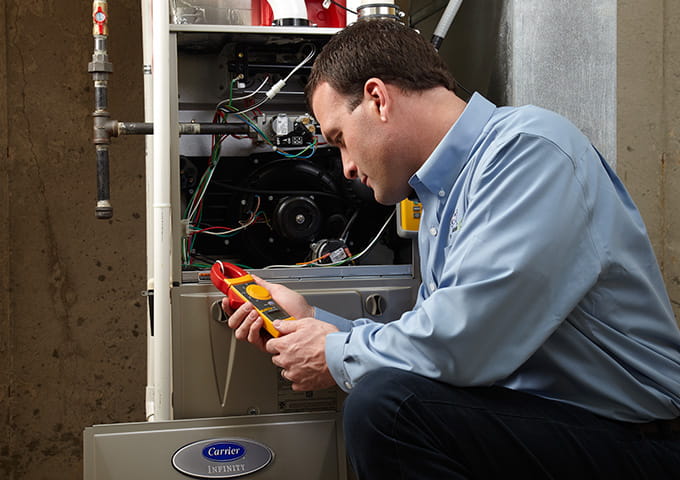
Test
Relight the pilot in accordance with the manufacturer’s manual and safety procedures. After airing out the gas, light the pilot and hold the control according to directions.
Try the reset button and pilot control knob. Observe the flame for a few minutes, and then again during normal furnace cycles to ensure stability. If the flame dies once more, change out the thermocouple, check pilot line flow settings, or call a pro to check the gas regulator and system pressure.
Annual inspections can keep a lot of these issues at bay.
Maintenance Routines
Frequent maintenance minimizes the risk a pilot light will extinguish and identifies minor issues before they turn into expensive repairs. Stick to a routine, look to your owner’s manual for system-specific steps, and log each action so you can identify patterns over time.
- Change or clean air filters every 1 to 3 months to maintain steady airflow and minimize soot build-up that can strangle a pilot light.
- Check the pilot assembly and burner for dirt or corrosion. Clean the pilot orifice gently with some compressed air or a soft brush to clear debris that impedes the flame.
- Test thermocouple and thermopile connections yearly. Loose or corroded connections can shut off the gas and snuff out the pilot.
- Inspect the gas valve and gas line to determine if there is a leak or damage. If you sniff gas, get out of the house and call someone right away.
- Check venting and flue paths to be sure they are clear of nests, leaves, or ice, which causes backdrafts that blow out the pilot.
- Swap out batteries in your carbon monoxide detectors every quarter when the clocks change during spring and fall.
- Observe strange sounds, odorous gases, or fluctuating flame color and log them in a maintenance record for technician inspection.
- Inspections should be more frequent if you have a furnace that’s older than 15 to 20 years. Wear on components may necessitate inspections biannually instead of yearly.
- Arrange for a professional cleaning of the burner assembly and pilot on an annual basis, before each heating season, to soak up soot and check the orifice for blockages.
- Make a note of dates for filter changes, inspections, parts replaced, and technician visits so that you have a record of service history and can catch repeat failures.
Sign up for a maintenance plan with a reputable HVAC company so they’ll come by on schedule to perform routine inspections and tune-ups. A plan typically covers one annual inspection and a pre-season cleaning, with repair discounts and priority scheduling.
For a lot of systems, service twice a year, once before cooling season and once before heating, helps maintain balance and reduces pilot light outages.
Professional cleaning prior to heating season should still include burner and pilot orifice cleaning, flame sensor or thermocouple testing, combustion analysis where applicable and a check of the heat exchanger for cracks. They do the same for keeping your pilot burning and getting your furnace ready for winter.
Maintain a maintenance record in a booklet or computer file with dates, actions, readings, and receipts. Logs simplify the process of determining whether repeated pilot outages originate from a single part, old equipment, or installation issues and assist technicians in troubleshooting more quickly.
When to Call
Persistent pilot light issues that aren’t resolved by simple fixes are an obvious indicator that you need to reach out to an HVAC expert. If the flame won’t stay lit after multiple safe relight attempts or you can’t locate the source of repeated outages, a trained tech can conduct diagnostic tests on the gas pressure, pilot tube alignment and control systems.
They have the equipment to accurately measure gas flow in metric units and inspect components like the thermocouple, thermopile, gas valve and control board without damaging them or voiding the warranty. Examples include relighting the pilot three times and it dying each time within minutes or it sputtering out only when the blower starts. Call a pro.
Don’t try gas valve, thermocouple, or electrical repairs unless you are trained and certified. Replacing or adjusting a gas valve, soldering gas lines, or working on ignition control wiring is dangerous and may be illegal.
Even something as seemingly straightforward as replacing a thermocouple can result in leaks or improper operation if done wrong. If your repair work involves opening the gas system or touching live wiring, just stop and get professional help.
Call emergency services right away if you suspect a gas leak or sense toxic gas odors. The overwhelmingly distinct “rotten egg” smell means natural gas additives and is an immediate danger.
Get out of there immediately, don’t generate sparks and call the emergency services from a safe distance. Call if your carbon monoxide detector goes off, get out of your home immediately and call emergency responders and an HVAC professional because carbon monoxide is colorless and odorless and can be deadly in low doses.
Call in the pros for furnace repair when the pilot light refuses to remain lit after all efforts. Things that should prompt a call are a yellow or flickering flame rather than a steady blue flame, uneven heating throughout the rooms, frequent outages, or the pilot going out only when the thermostat is requesting heat.
These symptoms may indicate problems with combustion, clogged vents, a failing burner, or poor ventilation. If your system is older and pilot light problems recur, have the technician weigh in on whether repair or replacement is the better option in the long term.
If you don’t know what to do at any step, call in the pros instead of winging it. Yearly furnace inspections and cleanings are risk reducers, but stubborn issues require professional diagnosis and repair.
Conclusion
A pilot light that keeps going out signals obvious, repairable problems in most cases. Loose thermocouples, dirt in the burner, gas supply dips, and draft or vent blockages top the list. Inspect the pilot assembly, clean components, and observe gas flow and flame form. Keep a simple maintenance plan: clean once a year, tighten fittings, and swap worn parts. Go through the troubleshooting steps above in order and record your observations. If the pilot still fails, call a certified pro. A professional tech will test gas pressure, replace the thermocouple, and safely inspect vents. For secure warmth, don’t wait – do it now. Book a service or receive a quote from a licensed contractor now.
Frequently Asked Questions
Why does my furnace pilot light keep going out after I relight it?
It can be a dirty pilot assembly, a weak thermocouple, or drafts. See if there’s soot, airflow issues, or a dying safety sensor. Troubles continue? Have a professional evaluate gas and safety features.
Can a weak thermocouple make the pilot light go out?
Yes. The thermocouple detects the pilot flame and holds the gas valve open. If it fails or is out of alignment, it will cut the gas and snuff out the pilot. Replacement is generally easy and cheap.
Does a clogged pilot tube cause frequent outages?
Yes. Dirt or debris in the pilot tube reduces the strength of the flame or puts it out. Cleaning the pilot assembly and tube usually solves the issue. Have a tech clean it if you’re squeamish.
Could drafts or ventilation problems be at fault?
Yes. Strong drafts, open windows, attic fans, or exhaust vents that are too close can blow out the pilot. Seal drafts around the furnace and provide proper venting and clearances to stabilize the flame.
Is it dangerous to keep relighting the pilot light myself?
If you follow instructions, occasional relighting is usually safe. Frequent relights can be an indication of a dangerous problem, such as a gas leak or defective safety component. Give up after a couple tries and reach out to a licensed professional.
How often should I schedule maintenance to prevent pilot light problems?
Yearly furnace tune-up is suggested. Periodic tune-ups clean parts, measure gas pressure, and test safety sensors. This minimizes pilot light failures and extends system life.
When should I call a professional instead of troubleshooting myself?
Call a pro if you smell gas, the pilot won’t stay lit after cleaning, or you’re uncomfortable working with gas parts. A professionally trained technician safely diagnoses and repairs gas and safety system faults.