
Key Takeaways
- R-22 is an outdated HCFC refrigerant that depletes the ozone layer and has a significant global warming potential. That’s why global and domestic regulations mandate its phaseout and careful management.
- As new R-22 production and import are banned in most countries, only recycled or reclaimed R-22 may be used on existing systems, rendering supply scarce and repair costs variable.
- If your system is older than 10 to 15 years, think replacement. Age, constant part failures, and no warranty mean repairs will start to become cost-prohibitive.
- Combine total repair costs, anticipated energy bills and rebates to decide. Utilize a repair-versus-replace calculator to quantify long-term savings from a new, high-efficiency system.
- Always use certified technicians to recover and dispose of R-22 and not retrofit unless a qualified professional equipment manufacturer confirms compatibility and impact on warranty.
- Budget for replacement, monitor incentives and refrigerant prices, and schedule installation in the off-season to save money and avoid last-minute breakdowns.
Find out if it’s better to repair your R22 air conditioner or install a new unit. R22 systems tend to be more expensive to service because of the limited availability of refrigerant and increased price of parts. Repair can be economical for newer, well-maintained systems with a limited issue. Replace generally saves energy and future service costs for older, inefficient units. Below we compare cost, efficiency and environmental regulations.
Chemical Background
R-22 is an HCFC refrigerant that was once the industry standard for residential air conditioning and heat pumps, often referred to as Freon. Its physical and chemical traits made it a practical choice for decades: it is non-flammable, chemically stable under normal operating conditions, and compatible with the oils, metals, and sealing materials used in older systems. This compatibility meant that many central air conditioning systems installed well into the late 20th century relied on R-22 as the working fluid, making R-22 refrigerant replacement a common concern today.
Core Properties
R-22 is a standard refrigerant that is non-flammable and has excellent heat-transfer properties, allowing for effective cooling in various air conditioning system designs. It operates at pressures and temperatures compatible with the compressors, evaporators, and condensers found in older systems. However, replacing R-22 with a modern refrigerant like R-410A often requires equipment modifications due to differing operating ranges.
Chemically, R-22 contains chlorine, which contributes to its stability yet poses environmental risks. This stability allowed HVAC manufacturers to rely on it, as systems experienced less chemical breakdown and performed reliably over time. Unfortunately, this same stability means R-22 can remain in the atmosphere long enough to damage the stratospheric ozone layer, raising concerns about its use in today’s cooling systems.
The GWP of R-22 is significantly higher compared to newer alternatives introduced since 2010. This is crucial for practical decisions regarding air conditioning. A higher GWP indicates that any lost refrigerant can have a more substantial climate impact, prompting regulators to favor refrigerants with a GWP below 750 for new residential systems. As a result, R-410A has become the prevalent choice for retrofitting and new installations since around 2010.
Environmental Impact
Once R-22 vents to the atmosphere, it contributes to ozone damage as the chlorine atoms catalyze ozone breakdown through stratospheric chemistry. The harmful effects of R-22 refrigerant highlight the importance of transitioning to more eco-friendly options like R-410A and R-454B. Ozone loss increases surface UV, impacting human health and ecosystems, while leaks from aging HVAC units have local and global consequences.
R-22’s GWP is significantly higher than contemporary alternatives, making it crucial for homeowners to consider R-22 replacement. Minor leaks can amplify long-term radiative forcing, prompting regulatory action. Older air conditioning systems still use R-22, as production and import have ceased in certain regions, and the refrigerant in existing equipment continues to pose an emissions threat.
Regulatory actions have targeted both production and end-use emissions. The Montreal Protocol mandated HCFC phase-out, encouraging homeowners to consult the pros about repair versus replace options before the final restrictions come into effect on January 1, 2030.
Regulatory Status
R-22 refrigerant is now strictly regulated under international and U.S. regulations, impacting the manufacturing, importation, consumption, and destruction of older systems. The phase-out dates back to the Montreal Protocol and U.S. EPA actions under the Clean Air Act, which establish the boundaries for what homeowners and techs can legally do when fixing or swapping out R-22 air conditioning systems.
Production Bans
The U.S. banned new production and import of R-22 for use in new equipment due to EPA rules that started tightening in 2010. By January 1, 2020, production and import for most uses effectively ended, which has made the r22 refrigerant replacement a crucial consideration for homeowners. The remaining R-22 is restricted to maintaining existing air conditioning systems, using only reclaimed or recycled inventories. This ban drives up repair costs significantly, as only reclaimed products or current stockpiles can be utilized, making it harder for smaller service shops to find affordable solutions for their customers.
Market Scarcity
R-22 availability has diminished as supplies are exhausted or warehoused, making finding R-22 refrigerant more challenging and generally more time-consuming. Scarcity affects more than just the gas: components for older R-22 systems are less likely to be stocked by manufacturers, and aftermarket parts may not match modern standards. Technicians experience delays and higher fees when a job calls for R-22, even for simple AC repair. For homeowners, this means planning ahead: if your air conditioning system dates from 2009 or earlier and needs a major repair, the lack of parts and refrigerant makes R-22 replacement a more practical option than repeated fixes.
Price Volatility
R-22 prices are volatile as supply is limited, and there continues to be demand for services on older systems. It’s important to be aware that sudden price spikes often follow regulatory milestones or supply disruptions, especially for R-22 refrigerant replacement. A major repair that requires kilogram-level fills can send the total repair bill soaring past US$2,000 in some instances. Even a minor leak can end up costing more than you think if the price of refrigerant spikes. Understanding today’s R-22 market prices helps you determine if you should fix your air conditioning system now or start saving for a new one. R-22 techs require EPA 608 certification, which influences labor supplies and thus service expenses. The phase-out moves on toward a last HCFC ban in 2030, leaving less space to service R-22 effectively.
Decision Factors
Repairing or replacing R-22 air conditioning systems requires a transparent view of several interacting factors. Here’s an abbreviated list of the top things to consider, including the pros and cons of R-22 refrigerant replacement. Each factor impacts whether fixing the system is worth it or if investing in a highly efficient heat pump system is the smarter choice over time.
- System age and remaining useful life
- Recent repair history, two or more repairs in 24 months is a red flag.
- Repair cost compared to replacement involves the 15% rule and a $5000 threshold.
- How often and which parts tend to fail, such as the compressor, coil, and refrigerant lines.
- Prices and availability of refrigerant R-22 versus R-410A or R-454B.
- System efficiency (SEER rating) and projected energy costs
- Warranty status and expected out-of-pocket liability
- A repair versus replace calculator and second opinions for major repairs
1. System Age
Air conditioning systems older than 10 to 15 years are often at the end of their useful life and typically operate far less efficiently. These older units frequently lead to more breakdowns and costly ac repairs. If your unit is under 8 years, it’s generally a wiser choice to fix it. A simple table can aid in comparing age to typical repair frequency and costs. For instance, units 0 to 7 years incur low repairs and low costs. From 8 to 12 years, repairs become moderate with rising costs. For units 13 years and older, expect frequent repairs and high costs; thus, consider a r22 replacement to avoid recurring charges.
2. Repair Expense
R-22 repair costs are high because that refrigerant is rare and parts for older systems are more difficult to obtain. Major repairs like a compressor or coil replacement often cost more than the air conditioning system is worth. Repairs greater than $5,000 typically indicate replacement. For repair versus replacement decisions, employ the rule that if a repair costs more than 15 percent of replacement, replacement is probably better. For repairs over $1,500, consult the pros and input the numbers into a repair versus replace calculator to make a thoughtful decision.
3. Energy Drain
Old R-22 systems tend to consume more electricity than modern air conditioning systems, such as high-SEER models or highly efficient heat pump systems. Consequently, higher energy bills can negate any short-term savings from simple AC repair. When comparing annual operating costs, an outdated R-22 unit may incur several hundred extra dollars a year compared to a new high-efficiency heat pump, which can significantly improve energy efficiency and reduce environmental costs.
4. Component Failure
Repeated catastrophic failures of major components, such as compressor, coil, and refrigerant lines, often indicate underlying systemic deterioration in older systems. Certain R-22 replacement parts are no longer in production, making ac repair almost impossible. When assessing your air conditioning system, consider repair factors and keep track of repair history. If you’ve had two repairs in 24 months, it’s likely not worth fixing. Use the five thousand dollar rule, which is age multiplied by repair cost, as a tiebreaker when you’re uncertain.
5. Warranty Status
With most R-22 air conditioners out of warranty, the repair cost often exceeds two grand, transferring the financial burden entirely to the owner. New cooling systems, such as R-410A and R-454B, come with multi-year parts and labor coverage, significantly reducing your monetary risk.
Financial Comparison
Older R-22 systems often lead to higher ongoing costs that fluctuate, especially as repairs and refrigerant recharges become more frequent and costly. Given that R-22 refrigerant is no longer legal to make or import, it’s crucial to consider the financial impact. Use the $5,000 rule: multiply the system age in years by the repair cost in dollars. If the result exceeds $5,000, replacing your air conditioning system is usually the better financial choice.
Ongoing Maintenance
Older R-22 units require service more frequently and that service costs accumulate over the years. R-22 recharge by itself can be anywhere from 660 to 2,400 (currency), depending on the system size. Leaks tend to be repeat offenders. A capacitor replacement generally runs 90 to 480 installed. Compressors or coils are more expensive.
As parts become scarce, so do wait times and replacement part prices. Technicians can charge extra for rare parts or retrofitting modifications. Record annual maintenance costs, including scheduling, parts, and emergency calls, to maintain a running total that illustrates when ongoing repair expenditures approach replacement price.
Newer systems don’t need to be serviced as often and have smaller bills. Warranty coverage on new equipment can reduce out-of-pocket maintenance for a few years. If one repair quote is over 500, ask for itemized prices and a written warranty, not just quick, symptom-only fixes that cover up the underlying issues.
Modern Efficiency
New ACs and heat pumps boast higher SEERs and less power consumption. A new unit will reduce cooling bills dramatically compared to a decade-old R-22 system. Savings are climate and usage dependent, but frequently approach double-digit percentage energy use reductions.
Newer refrigerants like R410A, R454B, and R32 are lower in global warming potential and more readily available, which helps keep service prices steady. Updated equipment often results in more even temperatures and fewer breakdowns, making you more comfortable and decreasing emergency service calls.
If a system is less than eight years old, repairing may still make sense, particularly when repair costs are less than 15 percent of replacement or this is the first unscheduled repair. Compare upfront costs with calculated estimates of energy savings.
Available Incentives
- Additional utility rebates for new high-efficiency AC and heat pump installations.
- Local or state tax credits for electrification and low-GWP refrigerants.
- Manufacturer rebates on specific high-SEER models.
- Federal incentives associated with energy efficiency programs or clean energy upgrades.
Massive rebates frequently exist for efficient heat pump system installs, significantly reducing the net replacement price by thousands. When considering your options for air conditioning systems, compare financing options and explore existing local, state, and federal programs before making a decision. Incentives and reduced utility bills can offset a lot of the upfront costs, especially since replacement runs between 5,000 and 7,500 for central AC, making these incentives quite significant.
Safe Transition
Safe transition refers to managing R-22 systems in a manner that saves the environment, complies with law, and minimizes homeowner risk. The phase-out of R-22 is crucial in protecting the ozone layer and slowing climate change, as R-22 refrigerant has been phased down in production and import over the years, with a full stop on January 1, 2030. In the U.S., no new R-22 has been made or brought in since 2020; it is all recovered, recycled, or reclaimed. With rising costs and shrinking supply, planning ahead for a common replacement for R-22 is essential for households with older systems.
Proper Disposal
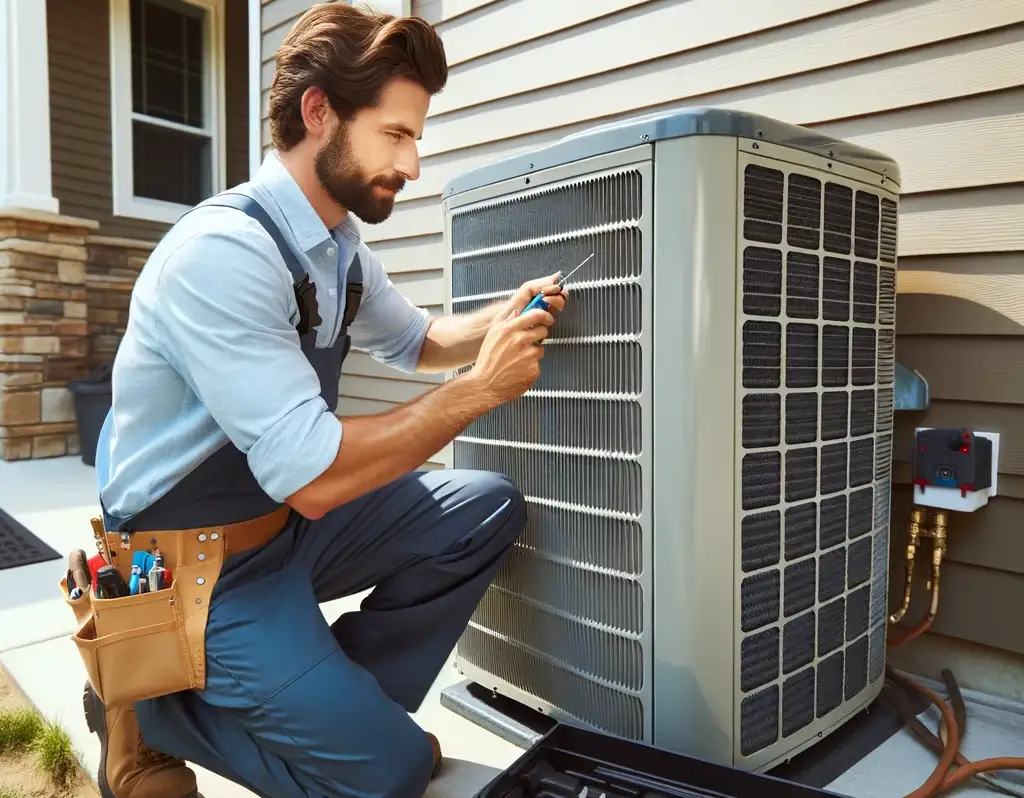
R-22 refrigerant needs to be reclaimed and disposed of per EPA and similar international regulations. It’s imperative that only properly certified technicians, such as those with EPA Section 608 in the U.S., service or remove R-22. Pledged techs use recovery machines and sealed tanks to capture refrigerant without venting. Illegal venting is heavily fined and damages the air, impacting the efficiency of air conditioning systems. Homeowners can check contractor credentials and request to view recovery logs or receipts. Frequent servicing and filter changes minimize leaks and decrease the probability of a need for emergency ac repair.
Retrofit Risks
Retrofitting an R-22 system to utilize a substitute refrigerant, such as R-410A or R-454B, can lead to multiple incompatibilities. Issues with oil chemistry, pressure ratings, and component tolerances may arise, resulting in leaks or reduced cooling capacity. Additionally, retrofits can void warranties and diminish overall system efficiency. Weigh the costs of retrofitting against the potential performance benefits of a complete air conditioning system replacement before making your decision.
Replacement Options
- R-410A is a popular non-ozone-depleting refrigerant with higher pressure and good efficiency. It needs system components designed for its pressures.
- R-32 or other lower-GWP blends provide better efficiency and lower global warming potential. They could necessitate design modifications and skilled technicians.
- Hydrofluoroolefins (HFOs) — New, ultra-low GWP options frequently applied as part of new equipment designed around them.
- Heat pump systems with newer refrigerants are a substitute for heating and cooling and usually boost seasonal efficiency.
Safe Transition modifying the entire air conditioning system guarantees component compatibility and maximized performance. New units, such as those using r410a or r454b refrigerants, comply with current efficiency regulations and prevent future compliance headaches.
| Option | Environmental impact | Typical benefits |
|---|---|---|
| R-410A | No ozone depletion; moderate GWP | Proven, widely available, efficient |
| R-32/HFO blends | Low GWP | Higher efficiency, future-proofed |
| Full system replacement | Best long-term environmental outcome | Improved efficiency, warranty, and lower service risk |
Strategic Advice
Determine whether to repair or replace your air conditioning system by considering its age, condition, and recent service history. If the unit is more than 10 years old, opting for an R22 replacement is often the smarter bet, as efficiency improvements and reduced future service requirements typically outweigh the initial cost. If this is the first significant service issue and the components appear solid, a simple AC repair can serve as a temporary, cost-effective solution. Never rush this decision; consider the repair cost, the risk of future malfunctions, and the anticipated remaining life of the system.
Strategically plan for replacement to prevent panic breakdowns and expensive costs. Design a production schedule that fits the unit’s age and trend. For instance, if your unit is eight years old and exhibiting higher energy bills or inconsistent cooling, begin planning and fetching quotes a year ahead. This sidesteps last-minute market stress where parts and techs are in short supply. Waiting until it breaks adds up to premium labor and expedited part charges and no-cool days during heat waves.
Budgeting for a new system is critical as R22 repairs become increasingly unsustainable. The phase-out of R22 production drives up parts and refrigerant prices. Use conservative estimates: obtain three quotes for replacement and for potential repair scenarios, and include costs for disposal, permits, and possible duct or electrical updates. To minimize capital outlay, consider financing options or energy-efficiency rebates available through programs like Mass Save. If your home is under-insulated or has an undersized duct system, be sure to account for those upgrade costs as well.
Try to install during the off-season if possible for both better pricing and availability. Schedule installations between late fall and early spring when demand is down. Many contractors will provide discounts and prioritize faster scheduling. Timing off-peak also allows you time to do some model comparison and make sure you qualify for rebates. If replacement is unavoidable during peak season, reserve technicians months in advance and lock in prices whenever you can.
Stay informed about refrigerant regulations and rebate opportunities to help reduce long-term costs. Monitor local and international regulations that limit R22 use and transport. Check utility and government rebate programs for high-efficiency replacements. Replacing an R22 system with a modern unit often qualifies for many of these programs. While converting an R22 unit to a new refrigerant may be technically feasible, evaluate compatibility, warranty impacts, and total conversion costs versus full replacement.
Consult independent sources prior to making a decision. Get written estimates, ask for equipment life data, and seek second opinions from independent technicians. Don’t fall for a sales pitch and always check references. If the unit has been exposed to heavy pollution or corrosive environments, it is generally more economical to replace than to repair multiple times.
Conclusion
If your R22 system still operates, repair is worth it for the short term. If they are done right, repairs cost less now and allow you to keep the same unit for a few years. If the unit fails frequently or exhibits oil leaks, change it. New systems use new refrigerants and reduce energy consumption by 20 to 40 percent in many cases. The full swap eliminates the worry and hassle of hunting down scarce R22 supplies.
For many owners, a clear rule works: pay to repair if the expected life is under three years. Replace if repair costs stack or efficiency wanes. Obtain written estimates for both routes. Have techs display part costs, refrigerant price, and estimated run life.
Choose with knowledge, not worry. Do some number crunching, determine a timeframe, and select the option that matches your financial plan and objectives. If you want help weighing repair versus replace, post your unit age, recent bills, and repair history.
Frequently Asked Questions
What is R22 and why does it matter for my air conditioner?
R22 is an HCFC refrigerant that was very prevalent in air conditioners. As it is no longer legal to make or import, understanding this helps you decide if you should repair, retrofit, or consider a common replacement for R22 with a more efficient option.
Is it better to repair or replace an R22 system?
If your air conditioning system is beyond 10 to 15 years or requires a significant compressor repair, consulting the pros for a replacement is typically preferable. New systems use environmentally safer refrigerants like R410A and reduce long-term expenses.
Can an R22 system be converted to use a modern refrigerant?
While some air conditioning systems can be retrofitted to approved alternatives like r410a or r454b, there may be compatibility issues, efficiency loss, and warranty concerns. Consult the pros for a site-specific evaluation.
How does the regulatory phaseout affect R22 costs and availability?
The phaseout of R22 refrigerant has led to a significant increase in prices, making R22 air conditioners more expensive to repair. As these older systems age, the cost of fixing common issues rises, prompting many owners to consider a R22 replacement or even re buying a new system.
What safety steps are required when transitioning from R22?
Refrigerants, such as R22 and R410A, should be handled only by certified technicians to comply with local laws and prevent environmental damage, including global warming.
Will switching from R22 improve energy efficiency?
Yes. Newer air conditioning systems and approved retrofits, like the common replacement for R22, usually provide superior efficiency.
How should I prioritize decision factors when choosing repair or replacement?
Consider system age, repair versus replacement costs, and future refrigerant availability like R22 refrigerant replacement. Weigh energy savings and environmental compliance with professional quotes and lifecycle cost estimates before you decide.