

Key Takeaways
- Choose windows with a low solar heat gain coefficient and a high whole-window U-factor to minimize cooling loads and enhance interior comfort in hot climates. Check ENERGY STAR and NFRC labels to compare ratings fast.
- Select glass technologies such as Low-E coatings, argon or krypton fills, and multi-pane units to prevent solar heat and UV transmission while enhancing insulation. Choose mixes appropriate to your window exposure and local weather.
- Match frame material to your conditions by weighing vinyl for low maintenance and insulation, fiberglass for stability and durability, composite for balanced performance, and aluminum with a thermal break for strength in large openings.
- Favor tight-sealing, ventilating styles like casement or awning for best energy performance. Use quality weatherstripping on double-hung where used.
- Demand professional installation with flashing, insulation, and post-install inspection to ensure no air leakage and to maintain rated performance over time.
- Weigh upfront cost against long-term value by focusing on the features with the best return on investment, prioritizing your options with our climate-specific checklists and estimating your expected energy savings.
In a hot climate, the best replacement windows are energy-efficient, low-e glazed units that are built to reduce heat gain and reduce cooling expenses.
These windows typically have reflective coatings, double or triple panes with inert gas fill and thermally broken frames to maintain interior temperatures.
Among the most popular are vinyl, fiberglass, and coated aluminum frames with high solar heat gain coefficient ratings.
Compare performance, cost and durability in our guide to finding your best replacement windows for hot climates.
Key Window Metrics
Windows in hot climates must be judged by quantifiable performance, not just aesthetics. The two key metrics are SHGC and u-factor, backed up by air leakage and visible light transmittance. Key window metrics include whole-window performance—glass, frame, spacer and installation—that dictate real-world comfort and energy savings.
1. Solar Heat
Choose low SHGC to slash direct solar heat. Target SHGC less than or equal to 0.23 where local codes or climate guides call for that. Many SoCal zones use 0.23 as a typical maximum.
Low-E coatings and solar control glass minimize radiant heat but retain daylight. Dual-glazed Low-E units can reduce cooling loads by as much as 43%.
Consider orientation: east- and west-facing windows benefit most from low SHGC and external shading like overhangs or louvers. Solar control films and spectrally selective coatings restrict infrared and near-infrared transmission but transmit visible light, so your rooms can be bright without the heat.
2. Heat Transfer
U-factor quantifies conductive heat flow. Aim for a U-factor less than or equal to 0.30 for the most efficient performance in hot regions. Multi-pane IGUs slow heat transfer, and dual-glazed Low-E is the standard baseline and often mandated for new installations.
Triple-pane units add insulation and can block up to 95% of UV rays. That third pane adds weight and cost with little increase in SHGC in most hot climates.
Seek thermal breaks in frames and warm-edge spacers to minimize conductive paths. Frame material matters. Fiberglass and vinyl tend to have lower thermal conductivity than aluminum unless aluminum has thermal breaks.
3. Air Leakage
Air leakage affects comfort as much as glass performance. Look for windows with tight weather seals and low tested airflow infiltration. Certified products specify air leakage rates in their specs.
Check sashes, frames and the installation interface for breaches. Correctly done flashing and sealant work are essential. Operable windows with multi-point locks typically seal better than basic single-lock sashes.
Minimizing leaks helps maintain stable indoor temperatures and supports projected savings. Efficient windows can cut cooling bills by 15 to 25 percent on average.
4. Light Transmittance
Equilibrate VLT with SHGC. High VLT with low SHGC is ideal. Spectrally selective coatings provide this mix, offering daylight without most solar heat.
Tinted or reflective glass reduces glare and protects interiors. Today’s coatings are designed to block up to 99% of UV rays, protecting furniture and artwork.
Think about how the glass option influences interior daylight in different orientations and times of day. Balance VLT with requirements for privacy and glare control.
| Metric | Recommended Target | Notes |
|---|---|---|
| SHGC | ≤ 0.23 | Prioritize for sun-exposed façades |
| U-factor | Less than or equal to 0.30 | Whole window value including frame |
| Air Leakage | Low-rated | Watch for tested infiltration figures |
Frame Material Matters
Frame material matters. Selecting the appropriate frame material defines the effectiveness of replacement windows in hot climates. Frame choice impacts heat gain, air leakage, resistance to degradation from UV exposure, and future maintenance. Below, contrast typical materials and then explore each in depth.
Vinyl
Vinyl windows are highly insulated and will not absorb moisture or humidity, which is why they are the most common in many markets. They’re low-maintenance and frequently hold color well in the sun, but inexpensive vinyl can yellow or warp in extended UV exposure.
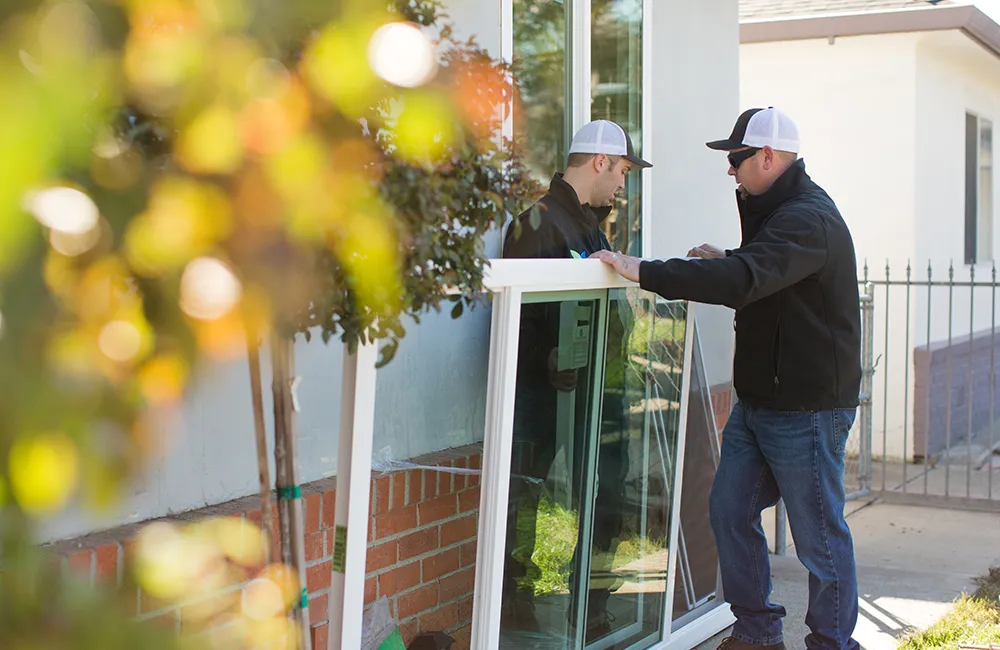
Premium vinyl lessens the chances of heat expansion and drama, but lower-grade items are more inclined to wriggle free and impact IG seal strength. Most windows sold in the US are vinyl and some of those have lesser IG seal quality than fiberglass or clad wood systems.
Vinyl is an economical path to improved energy performance, particularly when combined with low-E glass and argon fill.
- Pros: good insulation, low maintenance, lower cost.
- Cons: potential for thermal expansion, variable IG seal quality, less strength for large spans.
Fiberglass
Fiberglass frames exhibit less thermal transmission than aluminum and respond to fluctuating temperatures with very little expansion or contraction. They resist moisture damage and retain paint and colors nicely, so the long-term look is solid in sunny climates.
Air leakage rates are generally low, which bolsters energy performance. Fiberglass is an excellent choice in areas with storms or high winds. Its inherent strength allows for larger sash sizes without the need for thick profiles.
- Pros: Low thermal transfer, stable in heat, durable, good for large windows.
- Cons: higher initial cost, fewer finish options than wood-clad systems.
Composite
Composite windows mix materials, usually wood fiber and polymers, providing longevity, insulation, and versatile style. Composites fight rot, decay, and bugs and can imitate classic wood without all of the maintenance.
They pair perfectly with architectural styles that appreciate timeless sightlines but desire modern performance in warm climates. Weigh initial expense against projected energy savings and decreased maintenance.
Composites typically reward your investment with fewer service requirements over the years.
- Pros: strong insulation, low decay, customizable appearance.
- Cons: mid-to-high price, quality varies by manufacturer.
Aluminum
Aluminum frames have slim profiles and can provide structural strength to large expanses of glass and sleek, modern appearances. In hot climates, be sure aluminum frames have a thermal break to interrupt heat conduction and increase efficiency, as aluminum is very inefficient without it.
Aluminum resists impact and provides low maintenance. When clad over wood, it can combine durability with a warmer interior finish.
- Pros: slim profiles, very durable, good for large windows.
- Cons: Higher thermal conductivity unless thermally broken. Lower insulation than fiberglass or composite.
Match material to local climate swings, wind loads and your architectural goals. Wood and aluminum cladding continues to be a favorite hybrid for strength and appearance.
Glass Technology
Glass comprises some 80% of a window’s surface, so selection of glazing is crucial to comfort and energy usage in hot climates. Advanced glazing integrates coatings, inert gas fills, and multiple panes to reduce solar heat gain, block UV, and reduce cooling loads. The following paragraphs describe each technology, how it works, the advantages, and practical orientation and altitude choices.
Low-E Coatings
Low-E coatings are essentially thin metallic layers that reflect infrared and ultraviolet light but allow visible light through. For hot climates, Low-E cuts solar heat gain, so interiors stay cooler and air conditioning runs less.
Choose coatings based on orientation: LowE 366 with argon is recommended for south and west exposures where direct sun is strongest. LowE 272 with argon suits north and east faces where diffuse light dominates.
Low-E protects furniture and flooring by reducing UV transmission. Soft-coat, which has higher performance and requires greater care in manufacture, and hard-coat, which is durable and less expensive, are options in glass technology when comparing cost and efficiency.
Compare SHGC and VT ratings to get the optimum trade-off for daylight and cooling.
Gas Fills
Argon and krypton are fills placed between panes to reduce conductive heat transfer. Argon is inexpensive and delivers actual energy performance gains. It is commonly combined with low-e glass and fares well even at high altitudes.
Krypton is denser and provides slightly better insulation in narrow gaps but at a higher cost. IGUs with gas fills reduce the U-factor and increase comfort. Make sure it is sealed well so no gas can escape. A lost fill kills performance.
At higher elevations, breather tubes allow for an installation without pressurization and permit air exchange. They are then sealed to trap the gas. Balance your long-term energy savings against initial price when selecting gas type.
Pane Count
Double-pane as well as triple-pane options offer thermal barriers by sandwiching gas layers between sheets of glass. Double-pane is the sweet spot for most climates, balancing cost and weight.
Triple-pane pushes the insulation envelope yet again, but can be 1.5 times heavier and more expensive. Several panes aid in noise abatement. In hot climates, dual-pane with Low-E and argon tends to be the best blend of efficiency and price.
Triple-pane is something to look at in extreme heat or where noise mitigation matters. Use U-factor, SHGC, and VT to compare dual versus triple-pane performance and select based on orientation, budget, and structural capacity.
No matter what, quality seals and frame compatibility count as much as glass selection.
Window Styles
Choosing your window style is key for ventilation, sealing, and overall energy efficiency in a hot climate. Various designs treat air flow and leaks differently, and frame and glass options alter results. We therefore begin by comparing common styles on these features to make such trade-offs explicit before detailed notes follow.
| Style | Ventilation | Sealing (Leakage) | Energy efficiency notes |
|---|---|---|---|
| Casement | Excellent cross-breeze when fully open | Very tight — sash presses into frame | High — single sash reduces gaps; good for Low-E coatings |
| Awning | Good, can ventilate in light rain | Tight when closed; sash hinges at top | Good — works well with moisture-resistant frames |
| Double-hung | Flexible — open top or bottom for stack effect | Moderate — needs strong weather stripping | Variable — two sashes increase leak risk unless sealed well |
Casement
Casement windows provide excellent air sealing, as the single sash locks firmly into the frame, compressing against gaskets that prevent drafts. That single-sash style makes them easy to clean and operate. You can crank them open to catch side breezes and channel fresh air inward.
In hot climates, Low-E-coated casements and proper shading reduce heat gain. Casements do well where storms or high winds occur because the sash creates a continuous seal. Hardware and frame material, such as wood for natural insulation, count in long-term performance.
Triple-pane glass enhances thermal resistance but is heavier, being 1.5 times heavier than dual-pane, so verify hinge and frame strength ratings.
Awning
Awning windows are hinged at the top and open outward, allowing in air but shielding rain, which is ideal for humid or rainy weather. Put them as high as possible on walls to extract hot air without losing privacy. This technique helps stack ventilation when coupled with lower intake openings.
Awning windows close down tight, reducing air leakage and heat transfer, making these windows great near kitchens or bathrooms where moisture is around. Select frames that won’t swell and rot in clammy weather.
Wood provides great insulation and a warm appearance but does require an appropriate finish and maintenance.
Double-Hung
Double-hung windows are the classic choice, featuring two sashes and a traditional appearance. They allow you to open the top sash to release hot air and the bottom to pull in cooler air, providing versatile airflow configurations.
Cleaning windows is simpler for multi-story homes, as most double-hung sashes tilt inward. Two sashes make for more leak paths, so put a premium on high-quality weather stripping and select ones with strong VT ratings to mediate daylight with solar heat.
Consider window style, too. In hot climates, for example, double-hung performance should be compared with casement or awning options for each room and consider glass type and coatings for cutting down on unwanted heat gain.
Beyond the Window
Picking replacement windows for hot climates is more than a matter of glass. Decisions regarding frames, coatings and installation dictate how well windows can cut heat, safeguard interiors and hold up over time. Consider installation quality, local climate and code compliance, long-term cost versus value, and nice-to-have features that add comfort or protection.
Installation Quality
Professional installation eliminates drafts, moisture intrusion, and lower energy savings. Badly fitted windows allow hot air in and cool air out, defeating even the best glazing. Make sure installers do the right flashing, insulation, and sealing. Flashing should be incorporated with your wall system to prevent water incursion.
Backer rod and low-expansion foam are used to fill in the voids without frame distortion. Request to have product-specific installation instructions followed. Verify that windows are level, plumb, and securely anchored for optimal performance. Misaligned units put excess stress on seals and hardware, thereby shorting their anticipated lifetime.
Fiberglass frames resist movement from heat, aiding in maintaining alignment. Vinyl fares well in many hot climates. Have a post-installation inspection to verify it is sealed tight and weather-resistant. There are no blower door or infrared scans to reveal a thousand leaks and thermal bridges. Demand remedial repair prior to making the final payment.
Local Climate
Customize windows for your climate zone and local weather conditions. Desert heat requires different tradeoffs than humid coasts. Use climate maps or tables to determine the optimal window types for your region.
For desert regions, high-performance low-emissivity coatings, darker tints to cut solar gain, and deep exterior shading are essential. For humid tropics, corrosion-resistant frames like fiberglass or vinyl and impact resistance where storms occur are necessary. For coastal areas, impact-rated glass, aluminum cladding with corrosion finishes and strong sealants are recommended.
For mixed climates, double-pane windows with a low U-factor and a good solar heat gain coefficient provide balance. Customize window solutions designed to conquer challenges such as desert heat or coastal storms. Aluminum-clad wood gives you durable exteriors for salty air and the warmth of wood inside.
Beware, dark-tint aluminum cladding can reduce your outward visibility.
Cost vs. Value
Checklist to prioritize features with greatest return on investment includes:
- Low U-factor glazing (seek 0.10 to 0.13 for the best efficiency)
- Durable frame material: fiberglass or vinyl for low maintenance
- Quality seals and proven installation
Consider comparing warranties, maintenance requirements and life span of various windows. Double-pane sealed units generally have a life span of approximately 15 years before seal failure, which depends on installation and climate stress. Estimate utility bill savings from energy-efficient windows.
You may see 15 to 25 percent annual savings in many hot climates. Weigh higher upfront costs against these savings and comfort benefits. Think in terms of bonuses, such as grilles, internal blinds or impact resistance, that can increase worth by way of less upkeep or longer life.
Look for Labels
Labels on replacement windows provide fast information about how a product performs in warm weather. Scan them to check ratings that count for heat control, like U-factor and Solar Heat Gain Coefficient (SHGC), and certifications that prove those ratings were verified. Labels are an initial filter when you’re comparing models from different makers or materials.
Seek out ENERGY STAR® and NFRC labels to verify window energy performance.
ENERGY STAR and NFRC are the most common marks that indicate independent testing. NFRC labels provide U-factor, SHGC, visible transmittance, and occasionally air leakage and condensation resistance, all measured under lab-controlled methods.
ENERGY STAR employs regional SHGC and U-factor limits in rating products, so a window with ENERGY STAR in a hot climate will likely have a low SHGC to help block solar heat. Look for both labels together. NFRC gives the raw data, and ENERGY STAR gives a program-level pass/fail for your climate.
Use labels to compare SHGC, U-factor, and air leakage ratings at a glance.
Check out the numbers on the NFRC label to quickly compare products. SHGC goes from 0 to 1, so in hot climates you want lower SHGC to reduce cooling load. U-factor indicates heat transfer, and lower is better since you want to minimize unwanted heat gain.
Air leakage ratings indicate how much outside air leaks in through joints and gaps. The less leakage, the more comfortable your indoor environment is and the less strain is put on air conditioning. For example, a double-pane low-E window might show SHGC 0.25 and U-factor 1.8 W/m²·K, while a standard clear window might be SHGC 0.60 and U-factor 2.9 W/m²·K. Choose windows with the mix that most suits your climate and shading.
Confirm that windows meet or exceed local energy codes and standards.
Local building codes might necessitate minimum performance. Labels will indicate, for example, ENERGY STAR zone or reference to local code. Compare the label with your municipality’s code sheet and climate zone map.
If your region requires a particular SHGC or U-factor, shop for windows with certified figures that equal or exceed those levels. Retain printed label information for permit applications and for your contractor’s ordering.
Rely on certified labels to ensure you’re choosing quality, efficient windows for hot climates.
Certified labels provide assurance, not the complete story. Look for glass type notes, low-E coatings, tinted glass or spectrally selective coatings, and frame material listed on the label because vinyl, fiberglass, and wood frames act differently for heat and upkeep.
There may be STC for sound control or noted air leakage. Keep in mind labels serve as a reference. Actual installation, shading, and build quality impact efficiency. Check labels against reviews, installer feedback, and on-site measurements when feasible.
Conclusion
Pick windows that cut heat, hold cool air and last in sun. Choose frames that won’t warp and block heat, such as vinyl or fiberglass. Choose double- or triple-pane glass with low-emissivity coating and gas fill to reduce heat transfer. Apply tinted or spectrally selective glass in areas of high solar gain. Match the style to airflow needs: casement windows seal tight, awnings let breeze in high heat. Seal cracks, install shaded overhangs and select screens or films for additional management. Consult trusted labels to compare ratings for U-factor, SHGC, and air leakage. Easy switches can slash cooling bills and stabilize rooms. Are you ready to compare models? Collect quotes and lab labels and then experiment with samples at home.
Frequently Asked Questions
What U-factor should I look for in hot climates?
Shoot for a U-factor of 0.30 or less. Lower U-factors are better because they mean less heat transfer into the home, which leads to lower cooling costs.
Which frame material is best for heat resistance?
Fiberglass and vinyl frames are our top picks. They do not warp, have low thermal conductivity, and need minimal maintenance when exposed to hot climates.
Are low-emissivity (low-E) coatings useful where it’s hot?
Yes. Low-E coatings bounce back infrared heat but transmit visible light, reducing solar heat gain and cooling demand.
Should I choose double or triple glazing for hot climates?
Double glazing with a solar-control low-E coating is typically sufficient. Triple glazing just adds expense and weight with no significant additional advantage in very hot areas.
What window styles work best to reduce heat gain?
Casements and awnings seal tight and reduce leakage. When thoughtfully positioned, they help provide controlled ventilation without admitting excessive sun.
How important is proper installation?
Critical. Even the best windows leak when they’re installed wrong. Proper flashing and sealing of air leaks and moisture issues are essential.
What energy labels should I check when buying windows?
Watch for ENERGY STAR and NFRC ratings. They list certified U-factor and solar heat gain coefficient numbers to measure energy efficiency.