

Key Takeaways
- Smart thermostats reduce wasted heating and cooling using automation, fine-grained temperature control, and schedules that adapt to occupancy and peak times. They generate quantifiable energy savings in numerous homes.
- Machine learning and data insights optimize settings over time to maintain comfort while maximizing efficiency. Consumers can intervene with reports to reduce consumption further.
- Remote access, geofencing and system integration offer convenience and real-time control to help you avoid wasting energy when you’re not home.
- Normal savings differ depending on home size, insulation, climate and habits. Energy Star ratings or consumer reports can help guide expectations while rebates can reduce payback.
- Non-financial benefits are enhanced comfort, reduced carbon footprint, and automation capabilities such as vacation mode. Factor in initial price, compatibility, possible wiring upgrades, and privacy concerns.
- For best results, check energy reports, attach remote sensors, perform HVAC maintenance and insulation, and identify compatibility with your heating system and smart home hub before purchasing.
Smart thermostats can save energy by learning schedules and adapting heating and cooling to real usage. They monitor temperature patterns, provide app-based remote control, and display usage statistics in units such as kWh.
Savings vary based on many factors, including home size, HVAC efficiency, and user habits, but research indicates average reductions of approximately 8% to 15% in heating and cooling energy.
Below are the models, costs, and simple tips to calculate probable savings.
The Savings Mechanism
Smart thermostats achieve their energy savings by combining automation and precision control with occupancy detection and data-driven adjustments. They cut heating and cooling bills by about 20% a year on average through targeted control. This includes scheduling specific temperatures for times when people are home, lowering or raising setpoints when the house is empty, and making broader adjustments during peak-rate periods.
This short frame captures how those pieces fit together prior to the more detailed subtopics.
1. Learning Algorithms
Smart thermostats see when you wake, leave, return, and go to sleep, then construct a schedule for you without programming every little detail. Over days and weeks, the device learns when to turn on heat or air conditioning so the home reaches a target temperature just as people get home instead of running all the time.
Algorithms take into account the weather forecast and recent energy consumption. If a cold front is on its way, they preheat at an optimal point. This adaptive behavior maintains comfort while reducing waste.
As patterns develop, the units fine-tune themselves to save more over time.
2. Remote Access
Remote access allows you to adjust settings remotely via a phone app or web portal. You can lower the temperature while traveling or raise it before returning, and set multi-step schedules for different times of day.
That flexibility prevents energy waste from fixed, inefficient schedules. Apps display usage reports and alert you to maintenance issues or odd system behavior, so issues that increase consumption get addressed more quickly.
Integration with voice assistants and other smart devices adds convenience and speed, putting efficient choices within easy reach every day.
3. Data Insights
Smart thermostats generate HVAC energy usage reports and analytics detailing energy consumption, timing of energy usage, and causation. Observing daily and seasonal trends determines where to alter behavior, such as adjusting setpoints 1 to 2 degrees Celsius during unoccupied hours or recognizing that a certain room requires sensor-driven control.
Measuring pre and post consumption makes the return on investment obvious, and many users can measure savings and identify additional opportunities. A no-frills table of monthly kilowatt-hours before and after installation will often show measurable drops and help rationalize changes.
4. Geofencing
Geofencing utilizes phone location to automatically switch modes when the last person leaves or the first one returns. That eliminates unnecessary heating or cooling during extended absences and can automatically precondition the home as a person approaches.
Some models allow you to configure a distance trigger and integrate with multiple users’ devices, so the system adapts to varying household schedules automatically. Geofencing is convenient and energy saving at the same time.
5. System Integration
Connecting thermostats to sensors, window contacts, lighting, and smart grids yields coordinated action. Close vents when windows open, lower setpoint when occupancy sensors show empty rooms, or accept demand-response signals for bill credits.
Compatible platforms are Nest, Alexa, and HomeKit. Certain schemes offer at least $75 enrollment credits and $25 annually for ongoing involvement. Integration multiplies savings beyond the thermostat.
Quantifying Savings
Smart thermostats cut energy waste with a mix of precision control, scheduling, and data-driven features. They set temperatures to your schedule, employ geofencing to shift settings when you’re not home, and offer energy reports that expose wasteful trends. These features lead to quantifiable savings, though results will depend on the size of the house, level of insulation, local climate, and occupant behavior.
- Average savings statistics: Typical annual reduction in heating and cooling bills is about 20%. Range: Many households see up to 20% savings in a year. Utility program incentives include a one-time enrollment credit often greater than or equal to $75, and around $25 per year for continued participation. Additional savings occur when occupants override for vacations or long absences.
Energy use and cost: simple comparison
| Metric | Regular thermostat | Smart thermostat |
|---|---|---|
| Typical annual HVAC energy use (kWh equivalent) | 100% | ~80% |
| Annual cost for heating/cooling (currency) | Baseline | ~20% lower |
| Precision control & scheduling | No | Yes |
| Data reports & insights | No | Yes |
| Utility demand-response credits | Rare | Often available ($75 enroll, $25/yr) |
Smart thermostats save in multiple ways. Precision temperature control cuts overshoot and short cycling, making HVAC systems more efficient and reducing fuel or electricity consumption. By scheduling, the system operation is tied to actual occupancy, so heat or cooling isn’t run when the house is empty.
Geofencing adds an automatic layer. The unit senses when the homeowner leaves or returns and shifts setpoints accordingly, which can cut waste without manual steps. Demand-response and rebates push the economics further. Utility programs can give upfront credits that cover device cost and small annual payments to stay enrolled.
In areas with time-of-use rates, smart thermostats can shift HVAC load out of peak-price hours, magnifying savings beyond just the percentage reduction. Behavior and context are important. Bigger homes or leaky buildings will experience different payoffs than compact, tightly insulated ones.
In mild climates, savings can be lower because HVAC use is already minimal. In extreme climates with heavy heating or cooling demand, percentage savings translate to larger absolute dollar amounts. User habits, such as how aggressively occupants set temperatures and whether they employ setback schedules or vacation modes, directly impact realized savings.
Reports and certifications help set expectations. Energy Star and consumer reports are associated with better real-world performance since they impose minimum efficiency and functional reliability. Energy usage reports from the thermostat offer actionable data. Homeowners can spot high-use periods, test alternative setpoints, and quantify the impact of behavior changes.
Beyond The Numbers
Smart thermostats don’t just trim a few percentage points from energy bills, they transform how you live with heat and cool. Some early learning models track when you get up, go out, come home and go to sleep. After a week or two, they often develop a custom schedule. This implies less messing with dials and a consistent comfort level that you don’t have to think about every day.
With remote control and push notifications, you can check and change settings from anywhere. You can lower the heat on a hot commute or raise it if a flight is delayed. Comfort and convenience appear in little ways that count. Automation, including vacation mode and away settings, helps hold temperatures within safe bands.
For instance, temperatures should not be higher than 27 to 29 degrees Celsius in summer or approximately no lower than 10 degrees Celsius in winter, which protects pipes and reduces stray runtime. Combined with zone dampers or integrated controllers, a smart thermostat can crossfade heat sources automatically. It taps the most efficient system for prevailing conditions and softens transitions between systems.
This type of orchestration minimizes manual interventions and maintains rooms at stable temperatures. Smart thermostats function as system monitors. Most models provide runtime, cycle length, and rare patterns that could indicate short-cycling, weak airflow or failing compressors. Those alerts can trigger a timely service call before a small fault turns into a costly repair.
A few users mention installation hiccups, such as short-cycling after setup or wiring issues. Anticipate any other way to ensure your HVAC system is compatible and, if necessary, bring on a professional technician for a seamless installation. Environmental impact is a direct, quantifiable advantage.
Smart thermostats have been shown to cut heating consumption by approximately 10 to 12 percent and air conditioning usage by approximately 15 percent in several studies. They decrease home energy demand and carbon emissions associated with heating fuels or grid power. The specific gain varies by climate, home envelope, and occupant behavior.
When paired with other efficiency measures, such as insulation, better windows, and smart vents, the overall footprint dips more significantly. Smart home integration multiplies value. When thermostats pair with occupancy sensors, smart blinds, or weather stations, they make proactive choices: shading windows before peak sun, pre-cooling based on a storm front, or lowering setpoints when rooms are empty.
Those connections provide superior warmth and efficiency than a lone appliance ever could. Peace of mind follows: automated rules, clear usage reports, and remote alerts keep you informed and reduce daily mental load.
Potential Downsides
Smart thermostats may reduce energy consumption. They aren’t free of compromise. Here’s a quick list of potential downsides to consider pre-purchase and then targeted coverage of compatibility, cost, and privacy.
- Upfront cost: Smart thermostats commonly range from 99 to 280 currency units compared to about 25 for a basic dial unit.
- Payback period: Energy savings may take eight to twelve months or longer to offset purchase and any installation costs.
- Wiring and power: Some systems need a C-wire or a C-wire adapter, which costs about 15 to 35 dollars, to stay powered.
- Installation complexity: Older wiring or unusual HVAC setups may need professional work or adapters.
- System incompatibility: Baseboard electric heat, window ACs, and some older furnaces may not work.
- Dependence on Wi-Fi: Outages can disrupt remote control and some automated features.
- Learning curve: Full benefits require time to set schedules and adapt settings.
- Privacy and data: devices collect usage data. Privacy and security differ by manufacturer.
- Feature mismatch: Remote access, energy reports, and smart features may not feel worth the cost to all users.
Compatibility
Checklist to verify before buying:
- Confirm HVAC type (forced-air, heat pump, hydronic, baseboard) and model information.
- Check for a C-wire or budget for a C-wire adapter costing between $15 and $35.
- Seek out vendor lists of supported devices and control protocols.
- Ensure your home Wi‑Fi signal reaches the thermostat location.
Most older homes have legacy wiring without a C-wire. Electric baseboard systems and window AC units typically do not provide the control interface smart thermostats anticipate, necessitating either standalone controllers or remaining with current controls.
Integration matters too. Confirm the thermostat works with your voice assistant, hub, or automation platform before purchase.
Cost
| Model tier | Typical price |
|---|---|
| Budget | 99–129 |
| Mid-range | 130–199 |
| Premium | 200–280 |
Upfront cost is half the story. Average yearly energy savings differ by climate and behavior, so contrast the price paid against anticipated yearly bill reductions. If you save modestly, payback might be 8 to 12 months or longer.
Utility rebates and online discounts reduce net cost, so check local utility programs and online retailer offers. Remember additional fees: C-wire adapters cost between 15 and 35 dollars or professional installation adds to the total. The higher end models provide additional features that do not necessarily add enough savings to justify the additional cost.
Privacy
Smart thermostats monitor and transmit data on temperature, schedules, and frequently occupancy as well. That info could tell when people are in or out of the house.
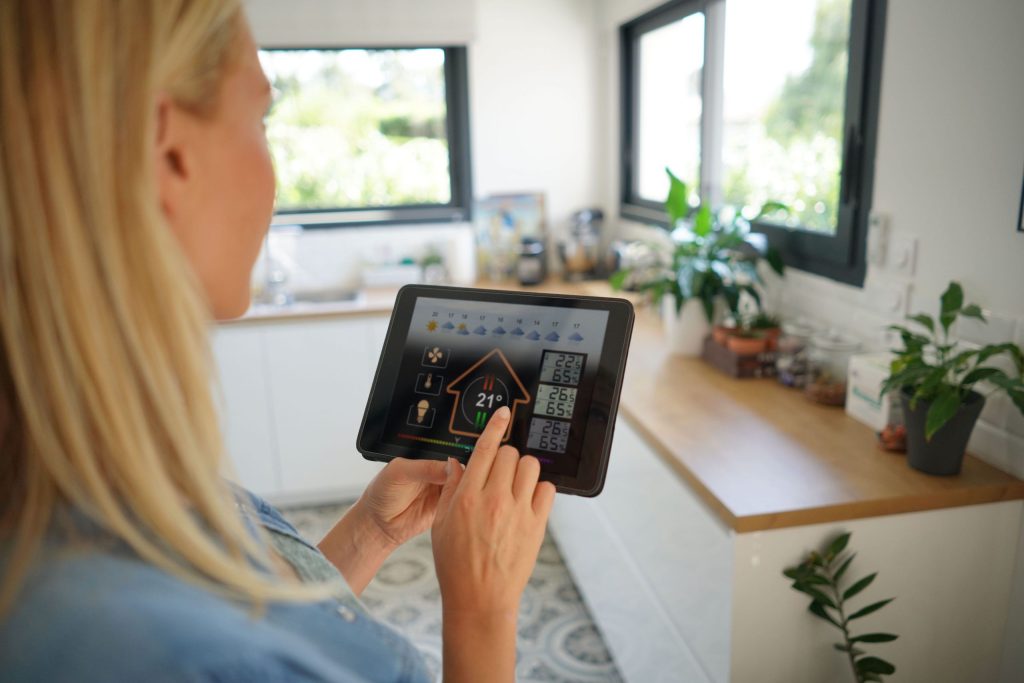
Read manufacturer privacy policies to find out what they keep, how long, and who it’s shared with. Third party integrations can expand data access. A smart hub or energy app could reveal additional personal information.
Secure Wi-Fi, passwords, and firmware updates are everything in your router that minimizes the risk.
Maximizing Efficiency
Smart thermostats optimize energy consumption by adapting to habits, managing temperature accurately, and providing transparent heating and cooling information. Here’s a how-to checklist and concentrated advice to squeeze the most savings and comfort from one.
- Build a schedule based on actual habits and occupancy, not on fantasy schedules. Schedule weekday and weekend variability, and setback time overnight and at work. Stepback spans of approximately 3 to 5 degrees Celsius minimize consumption yet maintain the house salvageable quickly. Remote app control allows you to make quick, temporary adjustments on the road.
- Employ the learning mode to trim unnecessary runtime and check its selections. Let the thermostat learn your patterns for a few weeks. Ensure that learned setpoints align with when rooms are actually occupied. Its learning ability can save; it has shown savings of up to 12% on heat and 15% on cooling, but only if the learned profile matches actual occupancy.
- Enable presence sensing and geofencing if possible. With presence sensors and phone-based geofencing, HVAC use is reduced by switching to setback when the home is unoccupied. Apply presence sensing with manual overrides so that brief departures do not trigger lengthy energy-wasteful recovery cycles.
- Place remote sensors in rooms that count. Simply put, put sensors in bedrooms and living areas so you don’t overcondition empty rooms. Remote sensors help the system deliver precision temperature control, keeping different rooms at the right comfort level without running the whole system longer than necessary.
- Check the energy usage reports every week and month. Utilize the native reports to detect spikes, abnormal runtimes or overnight drift. If reports indicate long runtimes at relatively moderate setpoints, look for dirty ductwork, filters and low refrigerant levels. Historical information assists you in identifying patterns and experimenting with strategies such as modifying setpoints or shifting fan schedules.
- Pair thermostat control with HVAC upkeep. Clean or replace filters on a regular basis, schedule annual professional checks, and check refrigerant charge and airflow. A clever thermostat is only clever when the mechanical system is healthy.
- Enhance the building envelope. Caulk gaps and add insulation, and where you can, upgrade windows. Smart controls can only scrap waste so far. By reducing heat loss or gain, you reduce runtime and lessen peak loads, which makes thermostat strategies more effective.
- Employ holiday and long-absence modes. Take bigger setbacks for vacations to save more, then get back to normal schedules before return so comfort reestablishes quickly. Small changes compound: consistent setbacks and sensor use, maintenance, and insulation yield the best results.
The Verdict
Smart thermostats provide tangible savings and transparent energy consumption to most homeowners. They gather temperature and schedule information and then use that data to reduce waste. On average, users experience eight percent savings, or about fifty dollars annually, from reduced heating and cooling consumption. That figure reflects simple changes: less runtime when no one is home, finer setback control at night, and avoidance of overheating or overcooling.
If you’re monitoring bills and consumption, it displays the equivalent amount of energy it takes to keep your home warm in winter or cool in summer, allowing you to strategize additional small changes.
Smart thermostats make habit change simpler and more reliable. They learn daily routines and automatically adjust heating and cooling with minimal user input, meaning the household no longer must manually tweak settings throughout the day. This cuts down on human error and forgetfulness, a leading source of wasteful drain.
With transparent in-app reports, homeowners can observe when peaks occur, which rooms or times are expensive, and if weather-driven settings are efficient. That insight often leads to small, actionable moves: tightening schedules, lowering setpoints a degree or two, or sealing drafts where the device shows unusually high energy draws.
Advantages extend past simple dollar savings. Convenience and comfort matter: remote control, geofencing, and learning algorithms keep living spaces at the right temperature when someone is home and let them cool or heat down when away. For families with staggered schedules, the device makes things comfortable again right away upon returning without having to make any adjustments.
From an environmental perspective, less run time means fewer greenhouse gas emissions associated with home energy, particularly in regions where heating and cooling is fossil fuel intensive.
Value varies by fit, initial expense and usage habits. Not every home gets the same return. If your HVAC system doesn’t have a common wire or employs nonstandard controls, installation may need an adapter or professional work. Professional installation runs around $182 on average but can be as high as $500 in complicated instances.
The up-front cost of the thermostat itself plus installation may take a year or more to recoup for modest savings. Homes with heavier energy consumption or a badly managed schedule will experience quicker returns.
Suggest the upgrade for purchasers that are looking for straightforward productivity boosts and contemporary smart-home niceties. If your budget permits and your HVAC system is compatible, a smart thermostat is a great way to reduce waste, gain insight, and increase everyday comfort with no continuous effort required.
Conclusion
Smart thermostats save energy in obvious ways. They learn schedules, trim wasted heat, and operate systems only when necessary. In a typical home, anticipate 8 to 15 percent lower heating bills and 10 to 12 percent lower cooling bills. Actual savings hinge on house size, insulation, and local climate. Smart features add comfort. Remote control, simple schedules, and learning mode simplify everyday life. Be prepared for a higher initial cost and configuration quirks. Smart thermostat combined with good insulation and a clean HVAC filter leads to the best results. For renters, portable smart plugs or cheap programmable units go a long way. Test drive one model for a season, keep tabs on your bills, and measure the worth by concrete figures. Think upgrade if you are after consistent energy savings and greater control.
Frequently Asked Questions
Are smart thermostats worth it for energy savings?
Yes. Are smart thermostats worth it for energy savings? Average savings are 8 to 15 percent on heating and 10 to 12 percent on cooling, depending on the home and habits.
How long does it take to recoup the cost of a smart thermostat?
The vast majority of users recover the cost of the purchase within two to four years. Payback depends on energy prices, climate, HVAC efficiency and how consistently you leverage the smart features.
Do smart thermostats actually learn my schedule?
Most models learn over one to two weeks. They mix manual input, motion detectors, and geofencing to generate these schedules. You can always override or tweak the schedule.
Will a smart thermostat work with my existing HVAC system?
Almost all smart thermostats are compatible with standard gas, electric, heat pump, and multi-stage systems. Check compatibility prior to purchase. Manufacturers and installers can verify wiring and system compatibility.
Can smart thermostats improve comfort as well as savings?
Yes. They maintain more consistent temperatures, minimize temperature swings, and can pre-condition rooms before you’re home. This increases comfort and saves energy.
Are there privacy or security concerns with smart thermostats?
It’s risky because devices gather usage and location information. Select trusted brands, activate robust passwords, and maintain updated firmware to minimize risks.
Do I need a professional to install a smart thermostat?
Not necessarily. In fact, numerous models are user-installable with straightforward instructions. Advanced equipment or absent C-wires might still require a professional installer for safe, reliable installation.