

Key Takeaways
- Homes get dusty from humans, textiles, outdoor sediments, construction materials and vermin. Determine the primary contributors in your environment and address them with focused measures.
- Utilize capture and filter techniques such as HEPA vacuums, microfiber damp cloths, air purifiers, and frequent HVAC filter changes to eliminate airborne and surface dust as much as possible.
- Seal holes, weatherstrip windows and doors, and repair leaky ducts or insulation to prevent outdoor dust and construction debris from infiltrating the house.
- Take reasonable daily precautions like eliminating shoes, pets, and piles in hotspots and sticking to a schedule of cleaning to minimize dust reservoirs.
- Control humidity, static, and airflow. Maintain indoor humidity at approximately 40 to 60 percent and arrange furniture and vents to encourage circulation.
- Mix in regular upkeep, seasonal deep cleans, and targeted professional assistance when necessary to stay on top of dust and improve indoor air quality for the long run.
Why is my house so dusty all the time? Dust originates from skin flakes, fabric fibers, pet dander, outdoor soil and HVAC circulation.
Bad filtration, not vacuuming often enough and lots of foot traffic increase dust levels. Humidity below 40% can make dust linger in the air, and your vents or carpets trap the particles.
The main body gets down to the nitty gritty of practical fixes — filters, cleaning routines, humidity control and material choices.
The Dust Culprits
Dust in homes is a mix of many tiny parts: pet dander, skin flakes, textile fibers, outdoor pollutants, construction debris, and bits that come loose from ductwork or insulation. Bad filtration, leakage around windows and doors, and just everyday life allow these floaters to accumulate and remain airborne longer. Here are the primary offenders, how they behave, and actionable ways to dial down their impact.
1. Human Sources
Skin flakes, hair and clothing fibers are the primary culprits of household dust due to humans shedding it like rabbits. Movement, such as walking, sitting, and changing clothes, agitates settled dust and keeps fine particles suspended. Personal routines make a difference: using makeup brushes, dry brushing, or sanding with bristle tools spreads tiny particles that settle on flat surfaces.
Regular, targeted cleaning helps. Wash bedding weekly in hot water to remove skin flakes and kill dust mites. Vacuum upholstery and floors often. Consider swapping to high-efficiency HVAC filters every one to three months to catch airborne material.
2. Fabric Fibers
Carpets, heavy drapes, upholstery and bedding all shed fibers that turn into perpetual dust traps. Curtain and fabric window fibers spew out both visible fluff and miniscule threads that fly about. Curtains should be laundered and removable covers washed regularly.
Vacuum mattresses and cover them with allergen-proof covers. Sprinkle coffee grounds on the floor to keep dust and dirt from being tracked inside. Typical fabric culprits that serve as permanent reservoirs, such as rugs, throw blankets, tufted upholstered chairs, cloth lampshades, and fabric storage bins, should be avoided altogether.
3. Outdoor Intruders
The dust culprits are outdoor dust, pollen, and soil coming in through open windows, doors, vents, and on shoes. Wind and weather play a part in how much outside material makes its way in. Dry, windy conditions increase indoor dust.
Identify entry points such as porches, bad window seals, and pet doors, and close them up where you can. Dust culprits like doormats and no shoes in the house eliminate tracked-in debris. Plants at entrances and outdoor dust sources, such as construction sites, will increase indoor levels, so closing windows during high pollen or dust episodes helps.
4. Building Materials
Construction debris, drywall dust, and insulation fibers contribute fine particles, particularly post-renovations or in older homes. Old paint, crumbling plaster, and deteriorating insulation all slowly slough dust. Inspect your attics, basements, and crawl spaces for exposed insulation or loose material.
Well-sealed joints, regular maintenance, and immediate clean-up after any work minimize continued emission. Have your ductwork checked and cleaned if needed, as these layers can peel off and swirl around when the HVAC is running.
5. Household Pests
Dust mites, cockroaches, and rodents add their own allergenic particles and droppings to the mix, creating more dust and impacting air quality. Pet dander and hair are significant, too. Pets shed and contribute to dust non-stop, particularly in areas where humidity is increased.
Maintain indoor humidity at 40% to 50% to reduce airborne dust and inhibit the population growth of mites. Keep them clean, groom your furry ones, and ensure your vacuum has a HEPA filter.
- Major dust collectors and magnets:
- Carpets and rugs.
- Thick curtains and furniture.
- Mattresses and bedding.
- HVAC filters and ductwork.
- Shoes, doormats and doorways.
- Pet beds and stuffed animals.
Your Home’s Anatomy
The architecture, materials, and mechanical systems of a house lay the foundation for where dust develops, how it circulates, and its difficulty of removal. These subsections decompose the key contributors so you know what to check and repair.
HVAC System
Routine maintenance and filter changes matter. Dirty or clogged filters allow dust to bypass the media and re-circulate, and a system running on old filtration can spread pet dander, textile fibers, and outdoor pollutants through the vents.
Install high-efficiency filters, MERV 13 or higher where compatible, or HEPA filters in standalone purifiers to catch finer particles and mold spores. It helps to run the HVAC fan continuously during allergy-heavy or dusty periods to force airborne dust through the filter instead of settling on surfaces.
Balance matters: supply and return airflow should be even so fans and vents do not create dead zones where dust builds up. Quiet, strategically located ventilation fans in kitchens and bathrooms extract particulates at the source without inducing drafts that resuspend settled dust.
Leaky Ducts
Over years, ductwork can develop layers of debris and when the system kicks on, that material can dislodge and blow into your living spaces. Leaky ducts pull dust from attics, basements, and wall cavities and distribute it throughout the home.
Seal obvious seams and connections with the right materials — Aeroseal or specialized HVAC spray foam — to significantly reduce infiltration. Regular duct cleaning clears out settled dust and enhances air quality, but cleaning in and of itself won’t prevent new infiltration if leaks persist.
Check return ducts, supply vents and the air handler for leaks — loose joints and disconnected sections — even centimeter-sized leaks near the furnace or in knee walls can have an outsized impact.
Poor Insulation
Insulation gaps let in outdoor dust and pollutants and make HVAC less efficient, so systems run longer and circulate more air and dust. Air seal gaps and cracks wherever you can find them.
Walk the perimeter of your home and look for cracks around pipes, vents, wiring, and window rough openings and caulk or foam these cracks. Better insulation keeps your home’s humidity around 40% to 50%, which restricts airborne dust and diminishes the dust-mite population that contributes to household dust.
Old Windows
Ancient or badly caulked windows are common highways for pollen and street grime. Weatherstripping and replacing failing units seal the gap and reduce dust intrusion.
Window sills and frames are collectors of particles and require regular cleaning. A small brush can dislodge grit that has settled, and a damp cloth can prevent it from spreading. Thick curtains or washable blinds serve as a second line of defense, capturing dust where it is safer to wash or vacuum it instead of sending it airborne.
| Feature | How it affects dust | Simple actions |
|---|---|---|
| HVAC filters | Trap or pass fine particles | Change regularly; use MERV13/HEPA |
| Ducts | Can release stored debris | Seal and clean periodically |
| Insulation | Lets outdoor dust in when poor | Upgrade and seal gaps |
| Windows | Direct entry for pollen/dust | Weatherstrip, replace, clean sills |
Lifestyle Factors
Lifestyle factors really impact dust on a daily basis. Things that shake air or cloth — wearing shoes inside, unmaking beds, heavy cooking or open windows — stir up dust and scatter it throughout rooms. Not cleaning floors and carpets regularly allows settled dust to accumulate.
Most people forget how much dust carpets hold until they get them deep cleaned. Seasonal changes matter: spring and fall are peak shedding seasons for both outdoor pollen and indoor fibers, so cleaning frequency often needs to increase then.
Cleaning Methods
With the proper equipment, you can eliminate dust instead of simply pushing it around. Microfiber cloths catch more than cotton rags. A damp microfiber cloth is better than dry dusting because it catches dust rather than flying it into the air.
HEPA-filter vacuums minimize the quantity of fine particulates blown back into the room, which is crucial for allergy sufferers. Establish a cleaning schedule that combines spot-cleaning several times a week with weekly chores and seasonal deep cleans. Modify it during your spring and fall shedding.
Use low-speed vacuuming and damp wiping instead of dry sweeping or feather dusters. Hard-to-reach places like ceiling fans, top shelves, door frames, and backs of radiators gather dust and should be part of your monthly or seasonal deep-cleaning routines.
Multiple families spend more than $50 a month on cleaning supplies. Opt for long-lasting solutions such as a good HEPA vacuum and you save money in the long run.
Pet Habits
Pets shed both hair and dander that become embedded in household dust. Daily brushing and grooming done outside or in a specific spot reduces the volume of loose hair and dander inside. Bathing schedules and professional grooming where applicable further reduce dander.
Vacuum carpets and upholstery more frequently in pet owner homes, several times a week in heavily used rooms. Keep pets off beds and main furniture to minimize bedroom and living room dust and defend against where people sleep.
They can help minimize cleaning, but pet ownership still makes you clean a lot more.
Clutter Levels
Clutter provides dust with more surfaces to settle upon and makes cleaning more difficult. Do a little decluttering and sorting to free surfaces and minimize hiding places for dust. Keep items in closed cabinets or containers, which can reduce exposure and prevent dust from building up quickly.
Common clutter hotspots that contribute to dust:
- Open bookshelves and stacks of paper
- Piles of clothes or linens on chairs
- Decorative knickknacks and small ornaments
- Electronics with vents and cords
- Window sills and ledges with plants or trinkets
While regular cleaning keeps dust at bay, it can be time-consuming and for many feel never-ending. For allergy sufferers, the stakes are higher. Allergic conditions account for billions in healthcare costs every year.
The Unseen Influences
There are a lot of unseen forces that determine the dust level in a home. Humidity, static charge, and airflow join forces with culprits such as pet dander, textile fibers, outdoor pollutants, and even your ductwork. Even a slight alteration in these unseen influences can stir up dust or help suppress it. Below are practical descriptions and ways to observe and modify each to your favor for a cleaner home, with a short home care checklist to follow.
Humidity Levels
Low indoor humidity dries the air and enables fine dust to remain suspended longer, so more ends up on surfaces. If the humidity is high, near or above 60%, dust mites and mold find congenial surroundings which contribute to the dust load.
Shoot for a moderate 40 to 50 percent humidity range to minimize airborne dust while keeping mites in check. Check levels in your living areas and bedrooms with a hygrometer. In winter, run a humidifier to combat very dry air.
In humid climates or seasons, a dehumidifier decreases moisture. Advanced humidity controls in modern HVAC systems can maintain levels and enhance indoor air quality by coordinating with ventilation and filtration.
Static Electricity
Static charge attracts dust and lint from the air and causes them to cling to fabrics, electronics, and plastic. Dry air promotes static build-up, so taming dryness trims the issue at its root.
Apply anti-static sprays to upholstery and carpet fibers, or keep your humidity a bit closer to the recommended range to reduce static naturally. Wipe surfaces with a damp microfiber cloth instead of a dry duster.
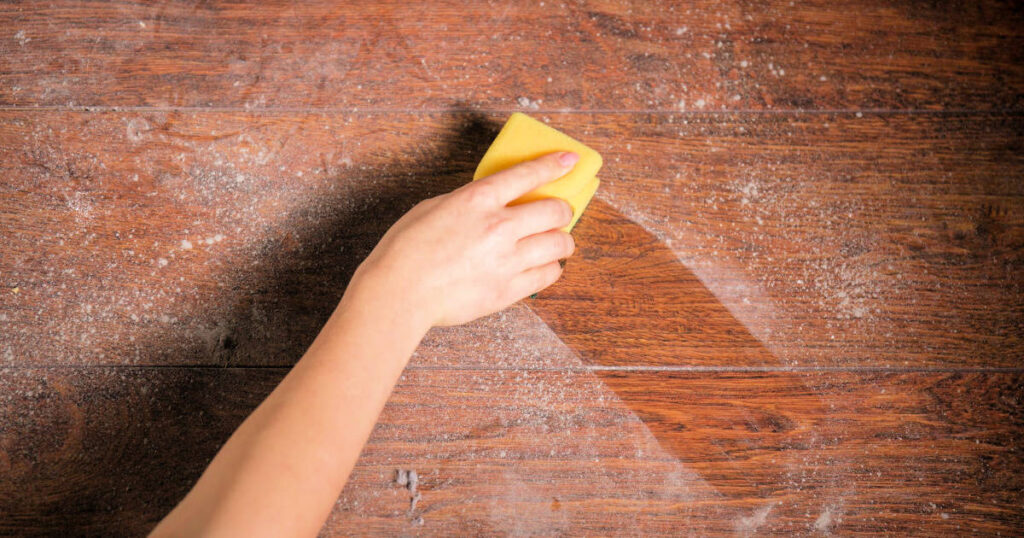
Moisture kills charge and traps dust instead of scattering it. Select cleaners that rinse clean and do not leave sticky residue, which pulls in more particulates over time.
Airflow Patterns
Bad airflow and clogged vents form pockets in which dust collects and remains. Couches against return vents, closed doors in a central hallway, and clogged floor registers all upset balanced circulation.
Keep free flow from supply to return vents by moving furniture around. Inspect and clean return and supply vents regularly, and have a look at that air duct system, too.
Ducts can store dust bunnies that flap free when the HVAC kicks on and whirls in living spaces. Use HEPA-filter vacuums and consider MERV 13 or higher rated filters in compatible HVAC systems to snag smaller particles.
Position portable air purifiers in heavily utilized rooms and operate fans or extend HVAC schedules to prevent stagnant air. These interventions assist but won’t eliminate all dust from an adjacent construction site.
Checklist
Monitor humidity between 40 and 50 percent. Use a humidifier or dehumidifier as needed. Reduce static with damp microfiber and anti-static products. Clear vents and arrange furniture for flow. Inspect ducts and upgrade filters. Vacuum with HEPA and wash bedding in hot water.
Strategic Dust Reduction
A strategic dust plan eliminates dust at its source by addressing how it develops, travels, and settles. Apply a four-step strategy: capture, filter, seal, and maintain to reduce sources and prevent dust from recirculating through living spaces. The following subsections provide strategies, schedules, and examples that translate across climates and home types.
Capture
Vacuum regularly with a good vacuum equipped with a HEPA-rated filter to capture fine dust and allergen particles. Vacuum carpets and rugs at least twice a week, as they contain dust mite droppings, pet dander, and detached skin. Set air purifiers with HEPA filters in traffic-heavy rooms and operate them during rush hours or peak outdoor dust times.
Opt for microfiber dusters or damp cloths for surface cleaning so particles are collected, not dispersed. Clean window sills, baseboards, and electronics with care to prevent re-suspending dust. Vacuum upholstery frequently and launder any removable covers. Treat your sheets to a hot water bath weekly to keep dust, mites, and the flakes that feed them at bay.
Filter
Switch HVAC filters often and upgrade to higher-efficiency options, MERV 13+ or HEPA-rated where compatible, to catch smaller particles and mold spores. Swap or clean air-purifier filters per manufacturer recommendation and maintain a basic calendar or phone reminder every 1 to 3 months based on usage and loading.
Running your HVAC fan on “on” for a few hours on dusty days or allergy season really helps because air is moving through the filters all the time and that captures airborne dust. Have your air ducts professionally cleaned every three to five years. They collect a lot of debris that sheds every time the system cycles, contributing to dust around the house.
Seal
Seal up gaps, cracks, and leaky ductwork to prevent outdoor dust and soil from infiltrating the house. Take strategic dust reduction measures by weatherstripping doors and windows and using spray foam or caulk around pipes, vents, and wiring.
Typical areas to check include the attic hatch, garage-to-house door, window frames, dryer vents, and areas where exterior siding meets the foundation. Addressing these sources cuts down on filter stress and minimizes cleaning.
Maintain
Perform routine HVAC maintenance: replace filters, inspect coils and blowers, and schedule duct cleaning as part of a three- to five-year plan. Conduct seasonal deep cleans—behind big furniture, under beds, in closets—so settled dust doesn’t accumulate.
Dust ceiling fans, vents and returns on a regular schedule. One quick wipe every 2 weeks keeps your dust blot from becoming a full-blown infestation. Establish daily and weekly cleaning habits calibrated to your home.
For homes with pets or high traffic, increase vacuuming and laundering. For drier climates, monitor humidity and run a humidifier to keep indoor humidity between 40% and 50% to limit airborne dust.
Rethinking Cleanliness
Rethinking cleanliness is about shaking up your approach to cleaning and what you clean so dust doesn’t return as quickly. Begin by examining habits and implements. Then investigate the airflow in your home and its inhabitants’ lifestyle.
Be smart about cleaning and use the right tools to get rid of dust faster. Wash sheets and bedding weekly to reduce skin cells and fibers that become dust. Try microfiber cloths and electrostatic dusters that trap dust instead of just pushing it around. For floors, conclude with a damp mop on hard surfaces instead of a dry broom.
Vacuum carpets with a HEPA or fine-particle-filter machine. Change or clean HVAC filters regularly because a clogged filter makes dust recirculate. Maintain a spare filter in stock so you can exchange it swiftly.
Clean from top to bottom: Start with ceiling fans, high shelves, and blinds, then work down to furniture and baseboards. Focus particularly on rooms that end up dustier than the others. Uneven dust can indicate an airflow problem or a culprit like an open vent or outside door.
Target closets, under beds, radiator fins, and the tops of tall furniture. These are classic traps. Monitor your supply costs. The average household spends over $50 a month, so opt for a few all-purpose products and durable tools to stay under control.
GET YOUR FAMILY ON BOARD IN DAILY DUST CONTROL. Small habits make a difference: remove shoes at the door, groom pets outdoors or in a designated area, and wipe down high-touch surfaces weekly.
Give quick, regular assignments — dust a shelf or vacuum a hallway for five minutes a day — so upkeep is consistent and more affordable in the long run. Pet or allergy sufferers should increase the pace, particularly deep-cleaning during shedding season, and possibly invest in air purifiers in their most frequented rooms.
Hire a cleaning service if you have a dust problem or allergy flare-ups. A one-off deep clean can clear out the dust that’s accumulated in vents, duct work, upholstery and carpets missed by dusting and vacuuming.
If dust reappears fast, check for gaps around doors and windows and seal them to prevent outdoor dust from blowing inside. Stubborn dust in a single room might require a professional to evaluate HVAC balance or duct leaks. A professional service is a smart investment once the DIY steps don’t do the trick.
Conclusion
Dust accumulates from a lot of little, ordinary sources. Fibers from rugs and clothes, pet dander, skin cells, pollen, and street dirt all add up. Drafts and bad circulation drive dust into rooms. Dry air makes dust fly more. Snappy routines, like dragging feet or bypassing filters, accelerate the quicksand.
Choose clean actions. Run a HEPA filter for a few hours a day. Swap or wash HVAC filters every 1 to 3 months. Use a damp cloth on flat surfaces to catch the dust. Take out or wash small rugs and seat covers frequently. Close windows on windy, high-pollen days. Brush animals outdoors and clean their paws at the entrance.
Begin modestly, maintain a straightforward schedule, and monitor what is effective in your own environment. Experiment with one for a couple of weeks and notice the difference. Prepared to choose step one!
Frequently Asked Questions
Why does my house get dusty so quickly?
Dust is a cocktail of skin cells, fabric fibers, pet dander, outdoor soil, and vehicle exhaust. Bad ventilation and air flow patterns catch particles indoors, making surfaces appear dusty quickly.
Can my HVAC system make dust worse?
Yes. Dirty filters, leaks, and clogged ducts stir up and spread dust. Consistent filter changes and professional duct cleanings decrease the amount of airborne particles and enhance your air quality.
Will frequent vacuuming stop the dust?
Vacuuming often does help, particularly with a vacuum that features a HEPA or high-efficiency filter. It eliminates accumulated dust but doesn’t prevent fresh dust from finding its way into your abode.
Do pets increase household dust?
Yes. Pets drop hair and skin flakes, which contribute to dust. Frequent grooming, pet-centric cleaning, and HEPA filtration can all reduce pet dust significantly.
Does humidity affect dust levels?
Yes. Low humidity makes fine dust hang in the air longer. Keeping indoor humidity levels between 40 and 50 percent assists in dust settling faster and cuts down on static that draws in particles.
Are air purifiers effective against dust?
Yes. HEPA-filter air purifiers catch the fine dust and clear the air. Select a unit appropriate for your room size and operate it around the clock for optimal performance.
How often should I deep clean to control dust?
Aim for targeted deep cleaning every 1 to 3 months: wash bedding, clean curtains, vacuum upholstery, and dust vents. More frequent cleaning is beneficial in high-traffic or pet homes.