

Key Takeaways
- Wildfire ash is full of fine, corrosive particles that will clog your outdoor AC unit and reduce its efficiency. Have your coils and housings inspected and cleaned as soon as possible after smoke rolls through.
- How to protect an outdoor AC unit from wildfire ash in Solano County
- Swap return filters as soon as there’s heavy smoke, and consider upgrading to MERV 13 or even HEPA-grade filtration for indoor air protection.
- During high smoke or hazardous air quality, put the system in recirculate mode, turn off intake fans, and use portable HEPA cleaners to mitigate indoor particle levels.
- Make a habit of a wildfire-prep checklist to protect your outdoor AC unit from wildfire ash in Solano County. This includes protective surrounds, windbreak placement, filter stock, and periodic professional inspection to build long-term resilience.
- Document ash damage with photos and receipts, check your insurance coverage, and reach out to local HVAC pros and utility authorities for advice and safe restoration steps.
How to protect an outdoor AC unit from wildfire ash in Solano County is a series of action-oriented measures to minimize harm and maintain operation. Through some routine cleaning, HEPA filters, and sealing any gaps, you can minimize ash entry and protect against corrosion. Putting a simple mesh cover on high ash days and inspecting condensate drains keeps them from clogging. Solano County weather alerts and annual servicing by a professional HVAC technician extend equipment life and preserve indoor air quality.
Wildfire Ash Impacts
Wildfire ash is composed of very small particles that fall rapidly on outdoor surfaces. These particles can clog screens, coils, and fans on outdoor air-conditioning units, decreasing heat transfer and overall system efficiency. Ash can be full of acidic compounds and mineral residue that accelerate corrosion, especially when combined with moisture. Smoke transports particles smaller than 2.5 microns that slip through lower-efficiency filters and traverse indoors, contaminating indoor air and endangering health.
Coil Corrosion
Ash and smoke particles that settle on condenser coils and trap moisture accelerate corrosion and decrease the ability of the coils to shed heat. Corroded fins and tubes reduce heat transfer and increase operating pressures, which reduces cooling efficiency and increases energy consumption.
Check coils after smoky or windy days and clean when you notice visible build-up. Mine coils with soft coil brushes or low-pressure water, not high-pressure that bends fins. Specialized coatings or specialty designed coil covers can reduce direct ash exposure, but these need to be air permeable and applied according to the manufacturer’s instructions.
Coil corrosion can ultimately cause refrigerant leaks. Leaks diminish both cooling capacity and efficiency and necessitate expensive repair. Consider professional treatments for extreme corrosion and routine maintenance to trap small issues early.
Airflow Restriction
Heavy ash and debris can clog intake vents and grills, and the area around the outdoor unit, impeding airflow. Blocked airflow causes your fan and compressor to run harder, reduces cooling power, and can even make your AC noisier.
Inspect intake vents and grills following fire weather or windy conditions. Remove leaves, dust and ash from around the unit with a soft brush and where possible, a vacuum. Create a simple checklist: inspect vents, remove visible ash, clean coil fins gently, clear 0.5 to 1.0 metre of clearance around the unit and change filters inside the home.
Limited airflow increases energy costs and can cause the system to overheat, trip safety switches, or reduce equipment life.
Motor Strain
Clogged filters and blocked fans cause the unit’s motor to work harder, which accelerates wear and the risk of motor burnout. Motors under strain can generate weird noises, overheat or rapidly cycle.
Watch for grinding sounds, extra vibration or heat at the unit during heavy smoke. Change clogged filters quickly. Reach for even higher-efficiency filters like MERV 13 during wildfire season to help capture fine smoke particles. If smoke is heavy, close the outdoor unit for a short time to prevent premature wear and limit indoor infiltration. Wear N95 masks while cleaning to avoid ash inhalation.
Protect Outdoor Systems
To protect outdoor HVAC systems from wildfire ash, we need both immediate steps during events and long-term modifications to minimize particle infiltration and physical damage. These numbered steps provide practical, actionable tasks that span screening, barriers, vegetation control, operational changes, and cabinet sealing. Incorporate these actions into regular HVAC maintenance to make sure they are performed prior to and after peak fire season and following significant wind events.
1. Deploy Mesh Screens
- Place fine mesh screens over outdoor unit vents to prevent ash, leaves, and bigger debris. Utilize mesh with apertures sufficiently small to prevent ash but scaled to enable airflow.
- Go for weatherproofing — stainless or UV-stable polymer. Stay away from fabrics that lose or sag after sun and rain exposure.
- Check and clean mesh screens routinely and after any heavy wind or smoke event to avoid clogging that reduces efficiency.
- Not with tightly packed or improvised covers such as tarp or heavy cloth. These block ventilation and increase the danger of overheating.
A clean yard around the unit and trimming of overhanging branches within 0.9 to 1.5 metres (3 to 5 feet) minimizes trapped debris against screens and decreases maintenance.
2. Build Physical Windbreaks
- Build windbreaks with fencing, dense shrubs or temporary barriers to shield ash-laden winds from the unit.
- Position windbreaks upwind from prevailing winds in fire weather to be effective. Think about local wind patterns when siting barriers.
- Design windbreaks so that they do not trap heat near the equipment or obstruct service access. Leave enough clearance for servicemen.
- Non-flammable materials and defensible space. Nailing the unit to a solid pad ensures it will weather gusts and flying debris.
3. Manage Surrounding Vegetation
Cut palms, limbs, and shrubs off a ways to prevent debris from dropping on the unit. Trimming within a 0.9 to 1.5 metre radius should be completed prior to storm and fire seasons.
Take dry vegetation and combustible debris out of the defensible space. A clean yard is your first line of defense against physical damage and minimizes ember sources. Plan yard work early in the season before the driest wildfire months and after windy weather events. Dispose of green waste well away from the unit to prevent additional airborne particles.
4. Switch Operating Modes
Put your HVAC on recirculating indoor air, not outside intake, during smoke episodes and turn off exhaust fans that draw in outside air. Bring portable HEPA cleaners inside and upgrade central filters to MERV 13 or higher to capture microscopic smoke particles and change filters more frequently during and after events. Track air quality alerts and adjust system settings accordingly to safeguard occupants and equipment.
5. Seal Cabinet Gaps
Check the cabinet for cracks, loose panels and gaps, tighten screws and use weatherproof sealant on reachable cracks. Swap out tired gaskets on service panels and make a bullet list of weak points for pre-season work. Re-check after major wind storms. Protecting from winter humidity helps preserve electrical parts such as contactors from corrosion and failure.
Restore Ash-Covered Equipment
Once wildfire ash settles, quick and safe restoration of outdoor AC equipment saves them from lasting damage. Treat both visible surface ash and unseen deposits that can block coils, clog drains, and abrade moving components. Wait until winds die down and air quality has improved before dealing with equipment. This minimizes re-contamination and the risk of inhalation. Use personal protective equipment. An N95 respirator is best, but a close-fitting multi-layer cloth mask with a filter or a disposable paper mask is acceptable if N95s are unavailable. Wear gloves, eye protection, and long sleeves to restrict skin exposure to fine particles.
Wash External Coils
Wash coils with a low-pressure stream of water from a garden hose or hand pump sprayer. Spray across the fins to rinse off ash. Don’t hold it perpendicular or you’ll bend them. Keep pressure under 50 to 100 kPa to be safe. Don’t use commercial acid coil cleaners or heavy solvents that will eat up aluminum fins and painted surfaces and poison the earth and plants in the area. Once rinsed, allow coils to air dry completely before powering the unit. Damp coils and power can present electrical hazards and promote corrosion. For ash-covered equipment, if exposure is still occurring, rinse every few days until smoke clears to keep fine particulate from seizing fan motors or inhibiting heat transfer.
Clear Housing Basements
Open the outdoor housing and clear loose ash with a soft-bristle brush and shop vac equipped with a HEPA or high-efficiency filter. Pay special attention to the base where ash frequently packs. Compacted ash can clog condensate drains and trap moisture against metal, increasing rusting. Check for clogged screens, packed filters, and debris around the fan and compressor. Inspect wiring, terminals, and control boards for gray deposits or soot that can impede good connections. Light surface residue can be wiped off using a dry lint-free cloth, but heavier contamination will require a qualified technician. Put panels back together and cinch seals firmly to prevent fresh ash intrusion.
Replace Return Filters
Discard heavily soiled return filters immediately. A clogged filter reduces airflow and strains the blower. Upgrade to MERV 13 or higher where the system and fan static pressure allow, or use a true HEPA filter in portable air cleaners to capture fine ash particles. For evaporative coolers, cover outside air intakes with a 10 cm thick (4-inch) high-efficiency MERV 13 filter to cut incoming ash. Keep a stock of replacement filters and log each change. Frequent checks help spot performance drops or rising indoor dust. If ash entered the home, inspect ductwork and consider a professional duct inspection and HVAC assessment to protect indoor air quality.
Enhance System Resilience
Enhancing your system resilience minimizes ash intrusion, mitigates damage and maintains indoor air quality during wildfire events. The following tips include long-term system upgrades, location decisions, filtration enhancements and protective equipment to minimize risk and keep HVAC healthy year-round.
- Replace outdoor fan motors with sealed, corrosion-resistant models
- Upgrade condenser coil fins to thicker, higher-gauge metals
- Protect system robustness by installing fine-mesh intake screens measuring 1 to 2 millimeters on non-essential vents.
- Attach external pre-filters to intake louvers for coarse ash capture.
- Add automatic louvers or dampers that close during alerts
- Use vibration-isolated mounting pads to reduce debris settling
- Optimize ash resistance with routed condensate drains to prevent ash buildup and standing water.
- Upgrade electrical disconnects to weatherproof, dust-tight enclosures
- Install smart environmental sensors to trigger protective actions
- Maintain stock of spare HEPA and MERV 13 plus filters, in addition to box fans for homemade purifiers.
Relocate Exterior Condensers
Think about relocating condensers to areas protected from prevailing winds and uphill from probable burn zones. A protected, shaded nook by a sturdy wall means less ash load, sun stress, and longer life.
Design sites for ease of access, not closed-in tight corners that trap debris. Install units where techs can access them without precarious ladders or crawling over landscaping. Maintenance frequency increases during and following smoke events.
Verify with local building codes and utility maximums prior to relocating units. Permits or setbacks may be in place. Work with your HVAC contractor and utility company to make sure refrigerant line runs and electrical connections are all to code and won’t cause unnecessary pressure drops or safety hazards.
| Location option | Pros | Cons |
|---|---|---|
| Along north wall, shielded by masonry | Low sun, less ash from south winds | Possible limited airflow, service access |
| Behind low solid fence, leeward side | Wind protection, less visible | May trap heat, harder to service |
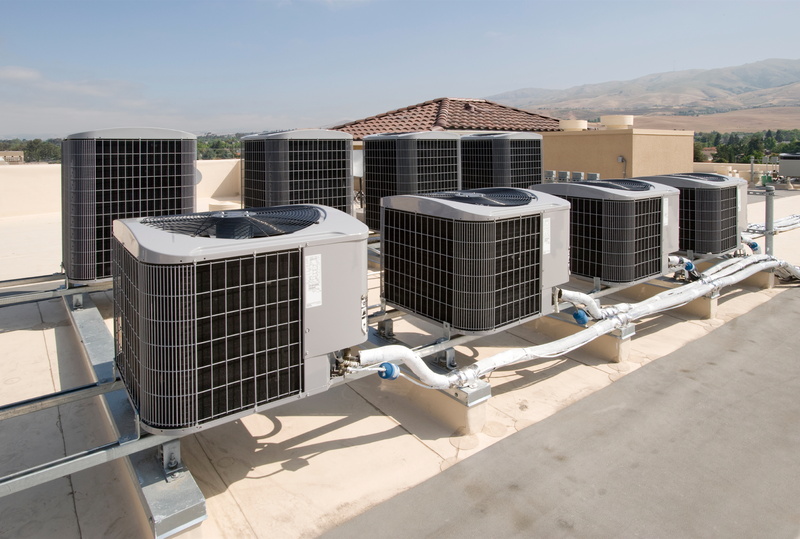
| Roof-mounted (low-rise) | Away from ground ash sources | Costly, complex access and code issues |
| Elevated platform near service path | Easier cleaning and inspection | Exposure to wind; needs seismic anchoring |
Upgrade Filtration Ratings
Install MERV 13+ filters when the system fan and housing can accommodate the additional resistance. Advanced high-efficiency filters and HEPA options eradicate fine smoke and ash particles, helping to improve indoor air quality and decrease load on the indoor coil.
Electrostatic filters and portable HEPA units provide additional defense, with one commercial portable air cleaner able to reduce indoor particle concentration by as much as 45% during a smoke event. Make sure it fits to prevent airflow restriction and motor strain.
Reminders to check and replace filters frequently in fire season. DIY box-fan cleaners using furnace filters serve as good stop-gaps. Get HEPA filters on deck before fire season.
Add Protective Surrounds
- Hard mesh shrouds block big debris while allowing air to flow.
- Breathable shell covers with fibers treated to resist heat and ash.
- Snap on intake pre-filter frames for fast filter changes.
- Hard folding covers that you can drop during warnings and keep close at hand.
Methoughts pick breathable materials that block the crap but don’t stop the air. Take off any complete covers during regular use to prevent overheating and condensation. Store proximities adjacent to the unit for rapid implementation when air quality warnings come.
Local Utility Regulations
There are local utility rules in Solano County that establish homeowner standards for covering exterior AC units during wildfire season and ash events. These regulations exist to minimize equipment damage, mitigate utility network hazards, and preserve indoor air quality. They address power outage preparedness, physical siting and clearances, filter standards, preventive maintenance, and interventions during periods of poor air quality.
Stay informed about public safety power shutoff (PSPS) protocols in Solano County during wildfire threats
PSPS events may be triggered by extreme fire threat conditions as determined by utilities to reduce wildfire risk. Homeowners need to understand the utility’s notification system, timing expectations, and pre-shutdown steps. Prior to a PSPS, power down or unplug non-essential equipment and secure outdoor elements against damage when power has been cut and restored. Local Utility Regulations state that utilities might mandate that your outdoor AC units be tied down to avoid damage from flying debris during the windstorms that often accompany storms or fire-driven winds. Example actions include anchoring the unit to a concrete pad with straps, tightening loose panels, and removing nearby loose items that could strike the unit during a shutdown period.
display local utility restrictions and guidelines for HVAC system operation during wildfire threats in a markdown table
| Topic | Requirement or Guideline | Example |
|---|---|---|
| Unit siting and clearances | Maintain required clearances around the unit for airflow and safety | Keep 0.6–1.2 m (2–4 ft) clearance on all sides; trim overhangs |
| Getting Units | Anchor units to resist falling debris and high winds. Secure to pad, attach panels, and clear loose objects around the area. | Filter | Use high-efficiency filters to cut interior smoke. MERV 13-rated filters or HEPA portable indoor units. | Running during PSPS Local Utility Rules Shutdown breakers and wait for utilities to clear before restart. | Checks | Routine checkups and servicing might be required according to local utility regulations.
Follow local air resources board guidance on minimizing exposure to wildfire smoke
Local and state air boards recommend limiting outdoor air intake and enhancing filtration during smoke events. Where local utility rules permit, HVAC systems with MERV 13-rated filters are frequently advised to reduce fine particulate matter PM2.5. Where HVAC systems cannot take high-grade filters, deploy portable HEPA cleaners indoors and seal around doors and windows. In high-humidity areas, heed moisture control advice to prevent mold when increasing filtration or extending runtime.
Comply with utility advisories regarding system operation during hazardous air quality events
Local utility regulations Utilities may send notices to restrict HVAC operation or to shut systems down during extreme events. Homeowners are usually responsible for safe shut-downs, securing units for the season to prevent accidental startups and maintenance schedules in accordance with local rules. Routine inspections, yard clean-up, and compliance with clearance requirements assist in maintaining effective, safe operation and minimizing hazards during subsequent wildfire and ash events.
Claim Insurance Coverage
About Claim insurance coverage Capture sharp pictures from various perspectives that highlight ash build-up, scorched or pitted metal, clogged coils, and surrounding burned vegetation or structures. Note dates and times and maintain notes regarding smells, diminished output or strange sounds. Save previous maintenance records, service tickets, and pre-fire photos to demonstrate the unit’s condition before the fact. These all establish a factual record connecting ash or smoke to direct physical loss or damage, which insurance companies require to support coverage.
Document ash-related damage to outdoor AC units with photos and maintenance records
Photograph the unit up close and from a distance to provide context, such as the distance to the burned area. Include image filters, fan blades, coils, wiring, and external casings. Scan or copy service invoices that demonstrate routine maintenance, filter changes, and inspection dates. If a technician did a fast post-fire check, obtain a report in writing. Maintain these records in both electronic and hard copy formats, stored separately from the premises whenever feasible. For example, a homeowner who kept a yearly service log and recent receipts proved pre-loss condition and sped up claim approval.
Review homeowner’s insurance policies for coverage of wildfire and smoke impacts on HVAC equipment
Consult your policy’s definitions of “smoke,” “fire,” and “direct physical loss” and exclusions or limits for mechanical breakdowns and outdoor equipment. Verify endorsements or separate equipment breakdown and HVAC protection riders. If coverage language is ambiguous, ask for a written explanation from the insurer. Smoke damage can be covered under California law when the facts show direct physical loss. A key court ruling, Another Planet Entertainment v. Vigilant Insurance, supports coverage in some smoke cases, so don’t take a denial as final without review.
File claims promptly after incidents to expedite repairs or replacements
Claim insurance as soon as it’s safe and practical. Early notice kicks off the insurer’s obligation to investigate. Insurers are required to perform a fair, diligent, and objective investigation under state regulations such as section 2695.7(d) of the Fair Claims Settlement Practices Regulations. Timely filing may obtain emergency repairs and temporary housing as well. Document all conversations, names, dates, and claim numbers.
Keep receipts for professional cleanings, filter upgrades, and protective installations as supporting evidence
Keep invoices for any post-fire cleanup, replacement parts, upgraded filters, or protective covers installed. These expenses can sometimes be claimed if they cover being proactive towards either containing additional damage or returning functionality. If a claim is denied, California law favors homeowners and business owners who challenge unfair denials. Talk to a lawyer who specializes in insurance claims for a consultation and next steps.
Our Regional Perspective
Solano County occupies a sweet spot where local topography and weather conspire to amplify hazards for outside AC units come wildfire season. The Carquinez Strait and adjacent valleys provide a wind tunnel effect, funneling and intensifying winds that sweep ash, leaves, and heavier debris. Those winds drive fine particles into condenser coils and housings, decrease heat transfer, and can jam fan assemblies. Our climate here fluctuates from dry, smoke-settling, calm autumn days to atmospheric river deluges with driving rain and wind, both of which put outdoor gear to the test. Inspect outdoor units after major wind events and storms to clear debris, search for bent fins, and ensure electrical connections are dry and intact.
Local air quality issues influence what homeowners need to do indoors and outdoors. Residents tend to rely on HEPA air cleaners or DIY box-fan plus furnace filter boiler plate solutions to reduce indoor particle counts during smoke events. For HVAC units, fit high-efficiency filters, MERV 13 or higher, on forced-air systems to minimize indoor infiltration of ash and fine smoke. Filter upgrades are most effective when combined with tighter building seals and a strategy to switch filters more frequently during and after wildfire events because clogged filters impede airflow and can strain the system.
Community tools and local resources make a real impact. The regional perspective is that air quality data from local monitors and apps provide near real-time readings that can help you make decisions on when to close vents or run indoor filtration. County public health pages, local fire districts, and utility providers post smoke-ready home and safe generator use advice. Neighborhood networks and community centers can host quick workshops on basic maintenance checks and how to safely cover or shield outdoor units without covering airflow.
Preparedness at the neighborhood level increases resilience. Teach neighbors where units sit, how to remove nearby flammable material, and basic inspection steps after storms. Simple measures, such as securing loose landscaping, installing a mesh debris screen sized for the unit’s intake, and anchoring the unit against strong gusts, lower the chance of damage. Work with licensed HVAC professionals to assess site-specific risks. They can advise on protective cages, elevated pads to avoid flood runoff during heavy rains, and recommended filter types and schedules.
Working with local HVAC technicians allows us to provide customized protection. Experts can do seasonal tune-ups, check electrical safety after a fire, and suggest modifications such as upgraded air intakes, replacing corroded parts, or installing shut-off dampers to restrict ash entry during heavy smoke conditions.
Conclusion
Wildfire ash can obstruct airflow, clog fins and damage motors. Nearly as important as preparation is what you do immediately after a nearby fire. Turn off power at the breaker. Take an outdoor AC unit and protect it from wildfire ash in Solano County. Damaged filters should be replaced and dents or corrosion on the condenser coil should be inspected. Raise the unit on a solid pad and fit it with a loose mesh cover that keeps out ash but allows air to flow. Set a simple maintenance plan: check weekly during fire season, clean after storms, and schedule one pro tune-up each year. Save receipts and photos for claims. Local ordinances might impact fuel breaks and divert power on high-risk days. Need a quick checklist or a local Solano County vendor list? I can whip up one.
Frequently Asked Questions
How does wildfire ash damage an outdoor AC unit?
Ash can clog coils, filters, and fans. It restricts airflow, decreases efficiency, and can create overheating. Fine particles facilitate corrosion and electrical problems if they get into sensitive components.
Can I safely clean ash from my AC unit myself?
Yes, for light ash. Before cleaning, switch off power. Wear a mask and gloves to carefully remove loose ash by brushing or vacuuming. Then rinse the exterior with a gentle low-pressure water spray. Pause and call a pro for severe caked-on grime or internal contamination.
When should I call a HVAC professional after ash exposure?
Call a technician if you smell burning, the unit won’t start, airflow in the house is weak, you hear strange noises, or ash made it to internal components. Pros can check electrical components and clean coils deeply and safely.
Will ash exposure void my warranty or insurance claim?
Review your warranty and insurance coverage. Take pictures of the damage and service records. Reach out to your insurer and HVAC manufacturer immediately for advice on coverage.
What short-term steps protect my AC during active ash fall?
Switch off the unit if ash is heavy. Wrap it in a breathable temporary cover that won’t trap heat. Block intake vents gently, and don’t run outdoor fans until ash clears.
How can I reduce future ash risks for my outdoor system?
Protect your outdoor AC unit from wildfire ash in Solano County with fine-mesh intake screens, unit elevation, a nearby windbreak, and frequent filter and coil inspections during fire season. Frequent maintenance enhances durability and performance.
Are there local rules in Solano County I should know before modifying my unit?
Yes. Verify with Solano County and local utility regulations for allowed modifications, permits, setback rules, and approved contractor requirements. Reach out to county building or utility offices prior to significant work.